If you've ever wondered when the best time is to give your car that shiny, protective ceramic coating, you're not alone. Whether your vehicle just rolled off the lot or has some miles on its paint, timing matters for getting the most out of this high-tech finish. Applying ceramic coating too soon or too late can affect how well it bonds and how long it lasts. This guide breaks down everything you need to know about choosing the perfect timing for both new and used cars.
The ideal time to apply ceramic coating is as soon as possible on a brand-new car to protect its pristine paint from UV damage, etching, and contaminants. However, if your car already has minor imperfections or has been driven for one to two years, performing thorough paint correction before coating ensures the best finish and longer-lasting protection.
What is The Right Time for Ceramic Coating on New and Used Cars
For new cars, there's a sweet spot that often gets overlooked: it's best to wait until the paint has fully cured, typically 30 to 60 days after purchase. During this period, residual solvents in the paint are still off-gassing. Applying ceramic coating too early can trap these solvents beneath the protective layer, leading to imperfections like bubbling or streaking.
On the other hand, many enthusiasts argue for applying ceramic coating immediately to protect fresh paint from damage. Early application can prevent etching from bird droppings, tree sap, and acid rain. Statistically, applying ceramic coating within the first three months can reduce environmental wear by up to 90%, especially vital for cars exposed to harsh climates or frequent outdoor parking.
For used vehicles, timing hinges less on curing and more on surface preparation. Paint surfaces on older cars often show oxidation, swirl marks, or other imperfections. Applying ceramic coating without correcting these issues will essentially "seal in" those flaws permanently.
Key factors to consider when deciding timing:
- Environmental exposure: Harsh sun, coastal salt air, or extreme weather call for earlier protection.
- Frequency of use: A daily driver needs durable defense sooner than an occasional weekend cruiser.
- Maintenance history: A well-maintained car is easier to prepare than one neglected for years.
- Longevity goals: Planning to keep your vehicle 8 to 10 years points toward early application.
New Car: Immediate Protection
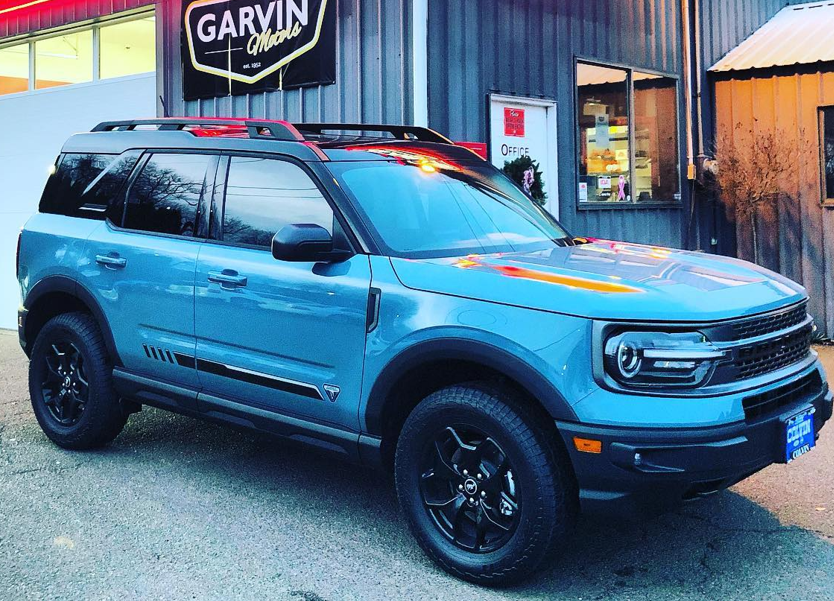
Applying ceramic coating on a new car shields its fresh paint from day one, creating a strong barrier against UV rays, acid rain, and bird droppings. When you drive your new vehicle off the lot, it's vulnerable to microscopic damage, from swirl marks caused by automatic car washes to contaminants that silently degrade paint clarity.
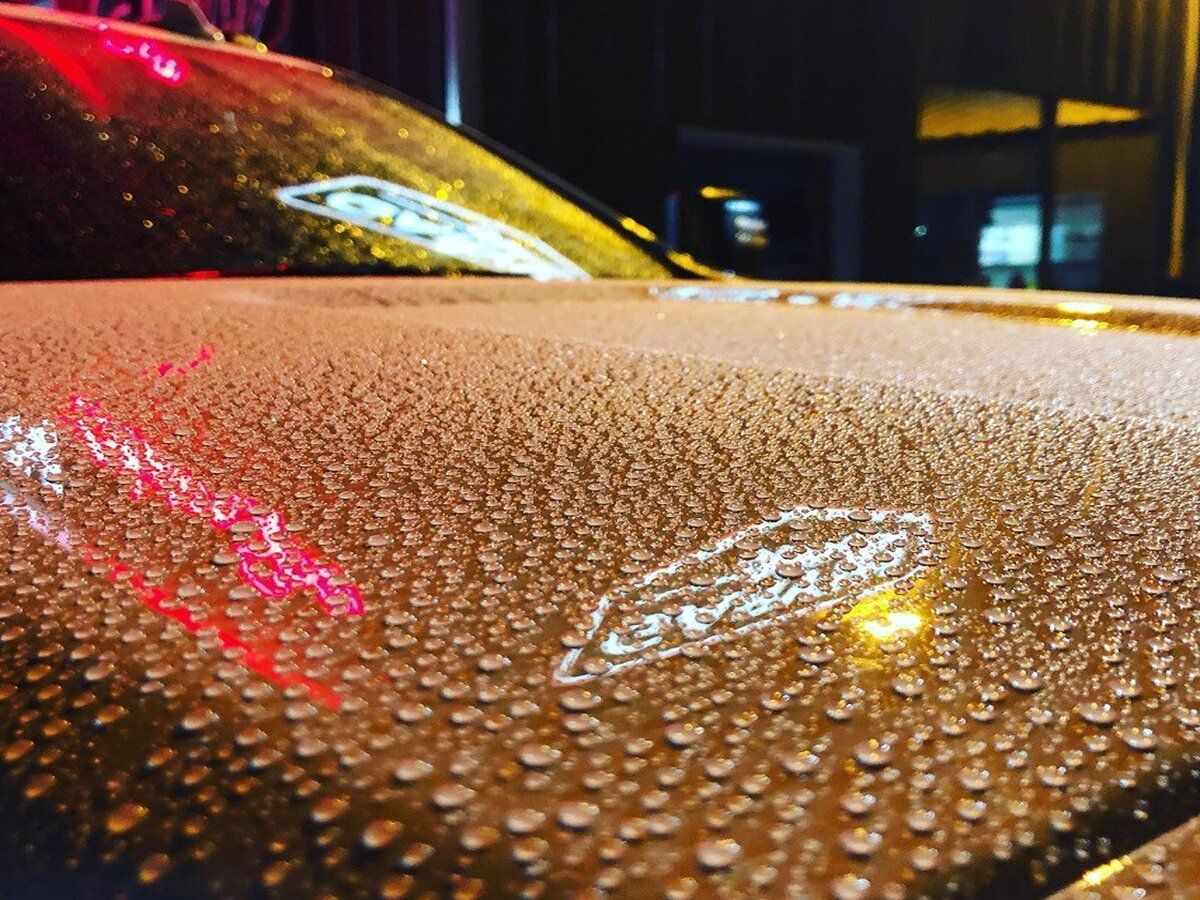
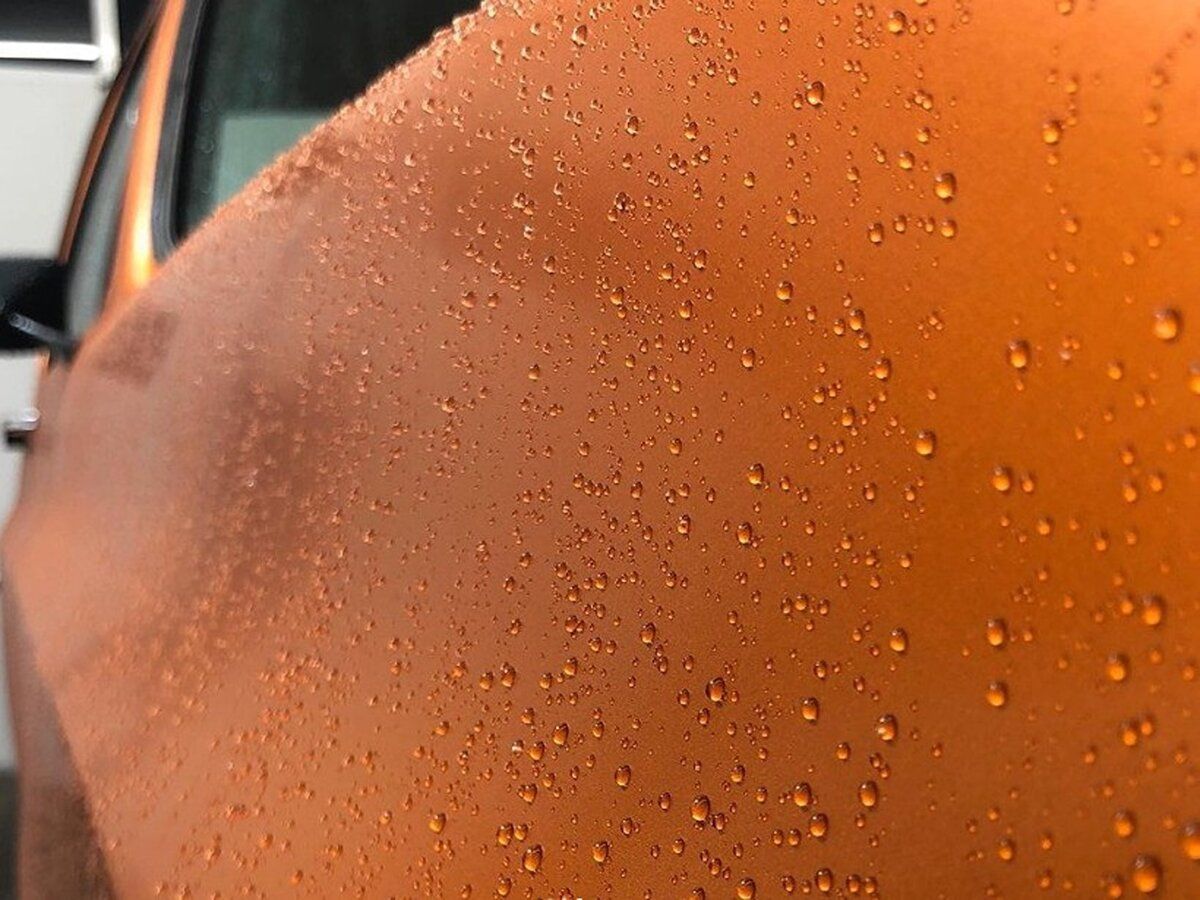
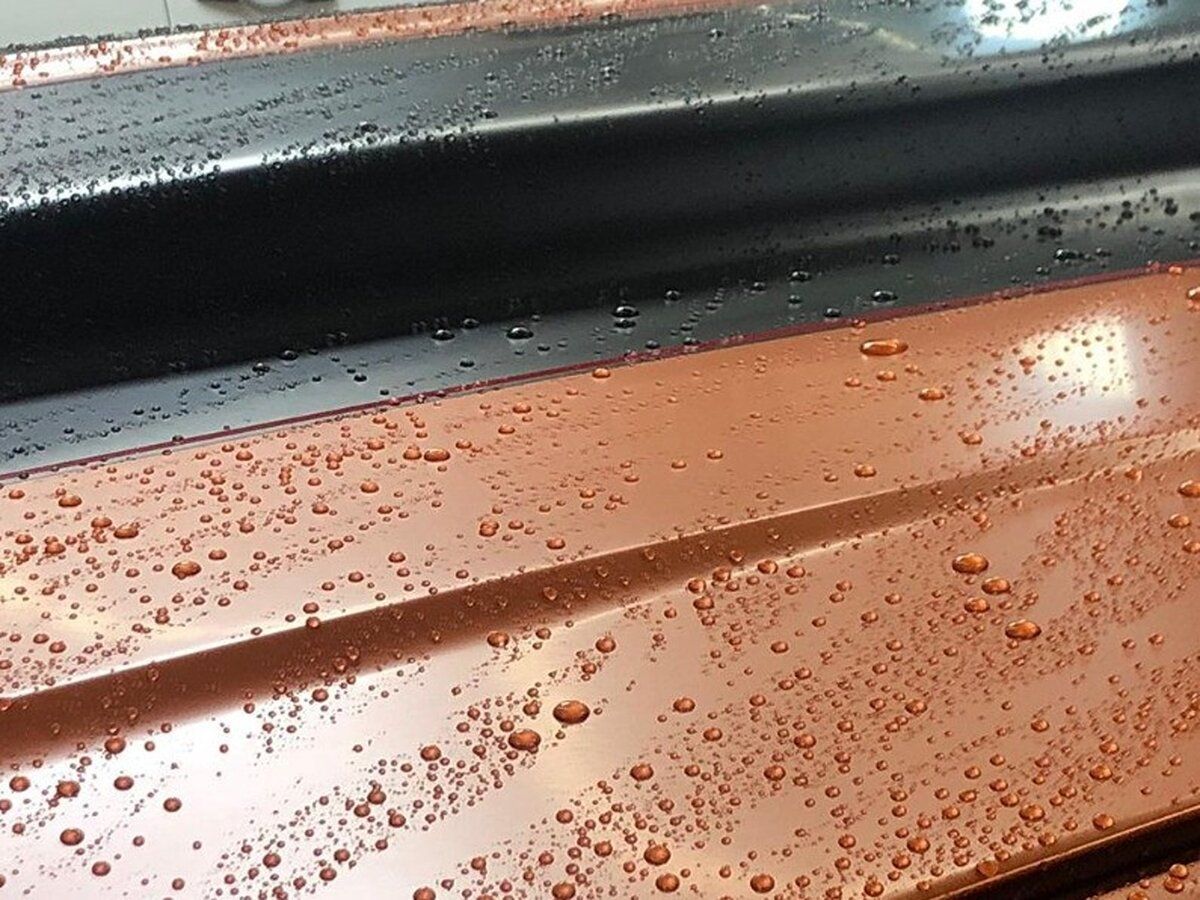
Ceramic coatings bond chemically with the clear coat, forming an invisible shield that repels water and dirt. This hydrophobic layer means contaminants slide off more easily, dramatically reducing cleaning frequency and effort.
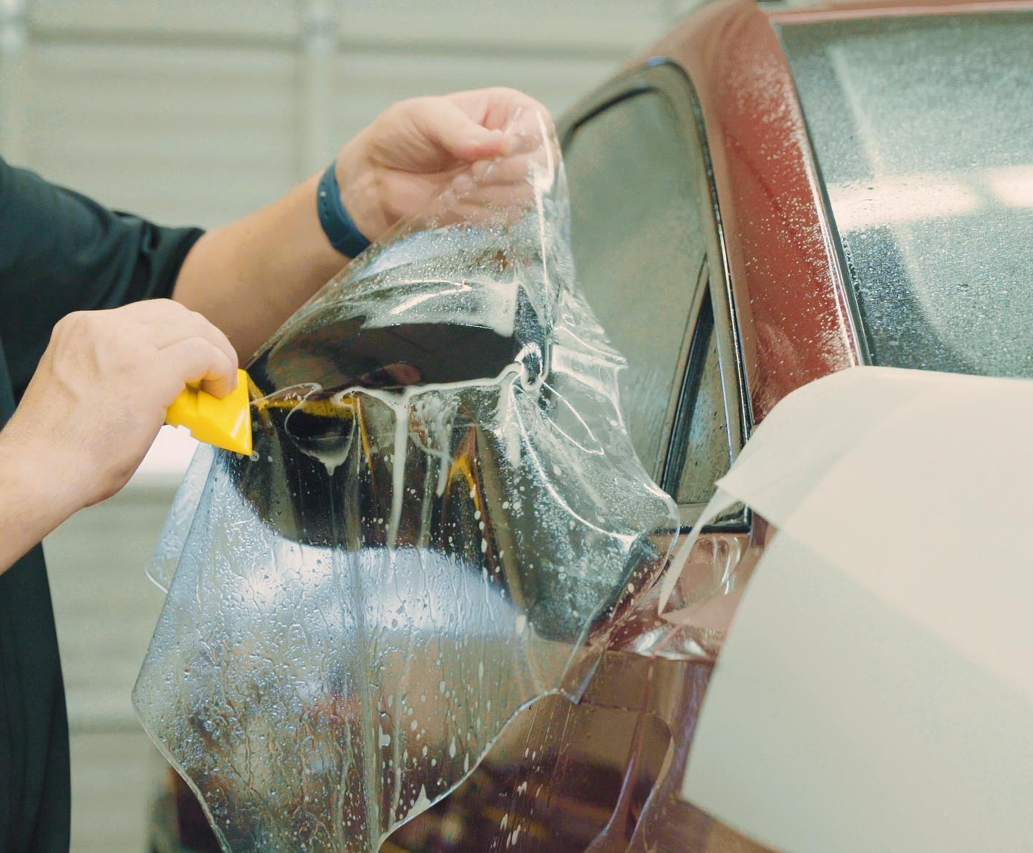
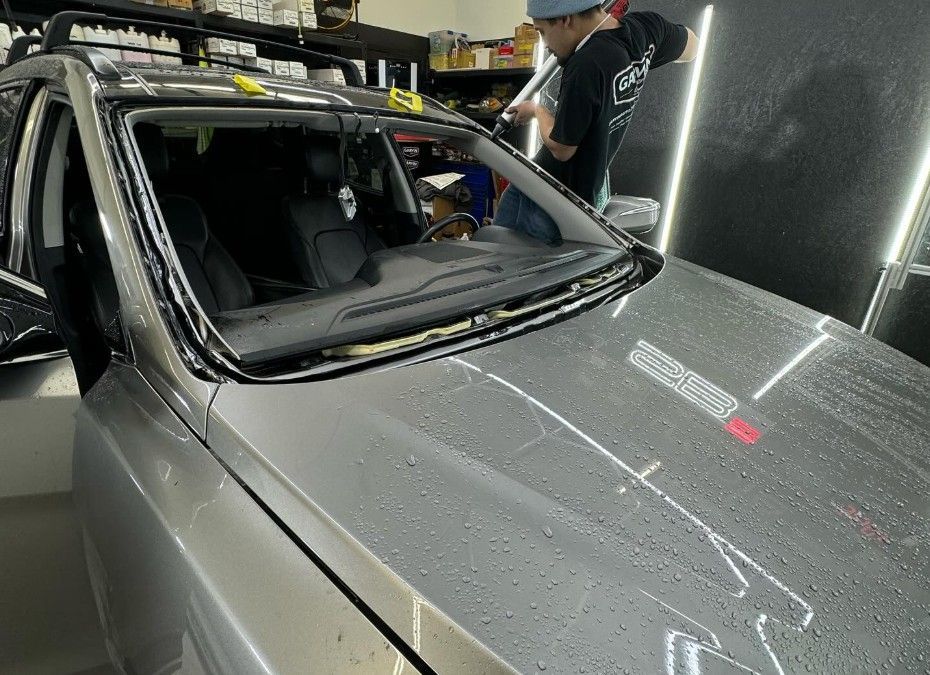
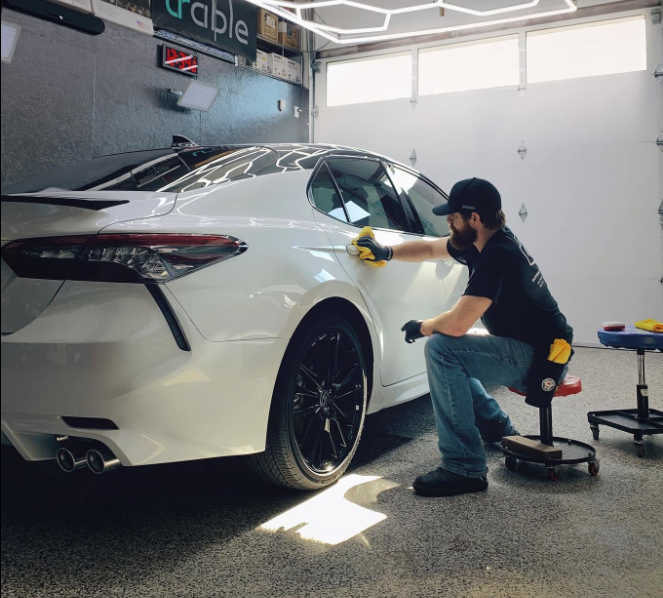
To maximize benefits, proper surface preparation is essential. The paint should be free from imperfections before applying the coating to ensure even bonding. This correction process involves professional polishing and decontamination, which expert detailers like those at Garvin Auto Spa specialize in.
Statistically, immediate application can reduce paint oxidation by up to 99% and extend the aesthetic lifespan of factory paint by two to five years. These coatings also block approximately 70% of light surface marring compared to untreated finishes. Studies suggest resale value can increase between 5 to 10% for properly coated vehicles.
How Paint Condition Affects Ceramic Coating on Used Cars
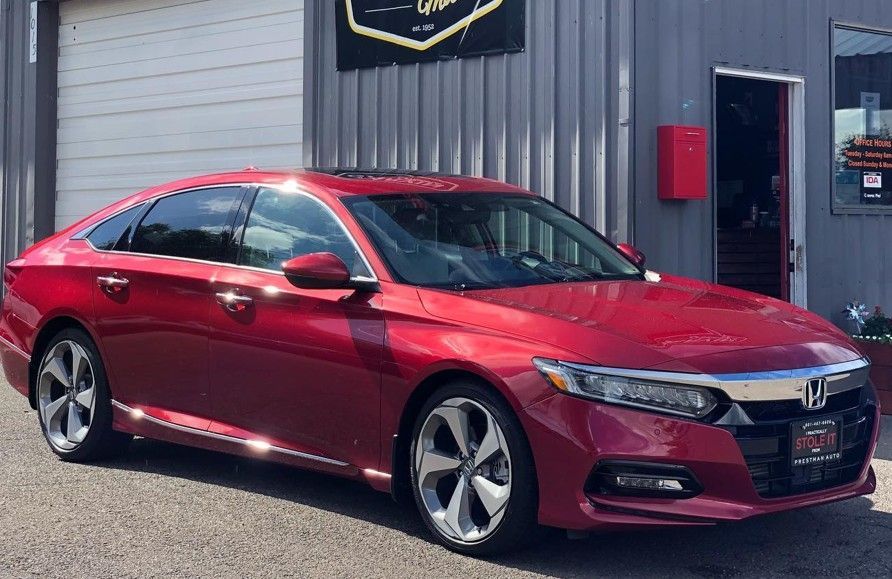
Before applying ceramic coating on a used car, carefully evaluate the current state of its paint. Paint doesn't stay pristine forever. Exposure to sunlight, contaminants, and daily wear leads to oxidation and dullness. These issues directly affect how well the ceramic coating bonds and lasts.
The process begins with a thorough visual inspection under good lighting. Look for visible swirl marks and oxidation (often appearing as a chalky or faded look). Feel for rough patches indicating embedded contaminants like tar or industrial fallout.
Paint correction is commonly necessary for used cars before applying ceramic coatings. This involves cleaning, decontaminating, and carefully polishing the paint in multiple stages to remove defects and restore smoothness. The goal is to bring the paint as close as possible to an "Excellent" state, which dramatically improves coating longevity.
If you're considering ceramic coating for a used vehicle, always insist on a professional-grade condition assessment first. Some detailers use gloss meters or paint thickness gauges for precision, ensuring you're investing in a durable surface rather than masking flaws temporarily.
Long-Term Benefits of Ceramic Coating for Paint Protection
Ceramic coatings serve as a powerful shield guarding your vehicle's paint from daily wear and environmental damage. When applied correctly, they create a durable, chemically bonded layer that repels dirt, pollutants, and moisture far beyond what traditional waxes achieve.
A key advantage is exceptional UV resistance. By blocking ultraviolet radiation, ceramic coatings slow the aging process significantly, often reducing paint fade by up to 50% over five years. They also defend against bird droppings and acid rain, substances known to etch into clear coats if left untreated.
The hydrophobic properties encourage water to bead and slide off quickly, reducing water spot formation and the need for aggressive detergents. Independent research shows well-maintained ceramic coatings can improve resistance to minor surface abrasions by 20 to 50% compared to traditional waxing.
Ceramic Coating Cost vs Long-Term Value
Ceramic coatings range from budget-friendly DIY kits (around $50) to professional-grade applications reaching $2,000 or more. This variation reflects differences in preparation, application quality, and durability.
Professional applications demand meticulous surface preparation. Experts may spend hours or days correcting paintwork so the coating bonds perfectly. The outcome typically lasts five years or more with minimal maintenance. DIY kits present an affordable entry point but require patience. Any dust, oils, or contaminants on the paint get locked under the coating, potentially causing permanent blemishes.
The highest cost option isn't necessarily the most expensive long-term. Professional ceramic coating provides better protection against UV rays, contaminants, and chemical stains, meaning fewer trips to the detailer or body shop over time.
Step-by-Step Application Process
Step 1: Surface Preparation. Your car must be impeccably clean. A clay bar physically lifts contaminants like rail dust and industrial fallout that no soap can remove.
Step 2: Paint Correction. Polishing removes swirl marks and oxidation while opening the paint's pores to accept the coating more effectively. Skipping this step locks in existing flaws.
Step 3: Application. Work in climate-controlled environments (65 to 75°F). Apply to small sections (about 3 feet by 3 feet), spreading drops in overlapping straight lines. After the coating "flashes" (hazes slightly after 1 to 3 minutes), wipe away excess with a microfiber cloth.
Step 4: Curing. Allow at least 48 hours without water exposure, followed by a full 7-day period for peak hardness. Keep your car indoors and avoid applying waxes or sealants during this time.
Before and After Ceramic Coating Results You Can Expect
Before Coating:
- Swirl marks and surface imperfections disrupt smoothness
- Water spots cling stubbornly despite washing
- Paint looks faded or lackluster under daylight
After Coating:
- Rich gloss returns as light dances smoothly on paint
- Water beads up and slides off due to hydrophobic protection
- UV rays no longer prematurely age or bleach color
Our data show that before coating, roughly 75% of car owners struggle keeping vehicles spotless because water spots and grime cling persistently. After ceramic coating, about 85% report dramatically reduced wash times.
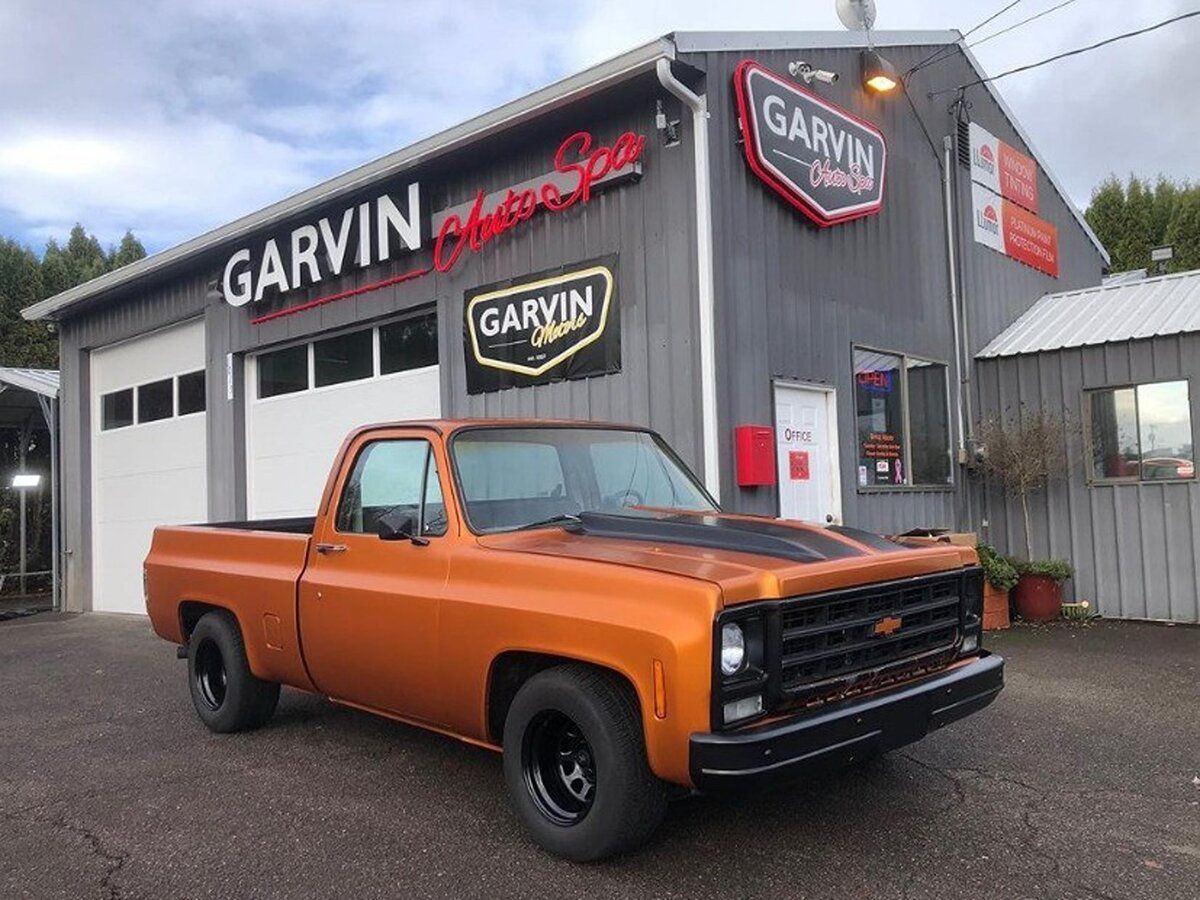
Protect Your Car at the Right Time With Professional Ceramic Coating
Choosing the best time for ceramic coating for vehicle can make a major difference in how long it lasts and how well it protects your paint. Whether your vehicle is brand new or has years of driving behind it, proper preparation and expert application are essential for long-term results.
At Garvin Auto Spa, our trained technicians evaluate your vehicle’s paint condition and recommend the ideal ceramic coating solution. From paint correction on used cars to early protection for new vehicles, we ensure maximum gloss, durability, and resistance to UV damage, water spots, and contaminants.
Call 503-472-4278 or contact Garvin Auto Spa today to schedule your consultation and protect your vehicle the right way.
Frequently Asked Questions About Ceramic Coating Timing
Q. When is the best time to apply ceramic coating on a new car?
A. The best time is after the paint has fully cured, usually 30 to 60 days after purchase. This ensures proper bonding and long-lasting protection.
Q. Is ceramic coating still worth it on a used car?
A. Yes. With proper paint correction, ceramic coating can restore gloss and provide strong protection even on vehicles several years old.
Q. Can ceramic coating be applied too early?
A. Applying ceramic coating too early can trap paint solvents and cause bonding issues. Waiting for proper curing prevents streaking and imperfections.
Q. Does ceramic coating last longer on new cars than used cars?
A. Generally yes, because new paint has fewer defects. However, a well-prepped used car can still achieve excellent durability.
Q. How long does ceramic coating last when applied professionally?
A. Professional ceramic coatings typically last between 2 to 5 years, depending on maintenance, climate, and driving habits.
Q. Do used cars always need paint correction before ceramic coating?
A. Most used cars benefit from paint correction to remove swirl marks and oxidation. Skipping this step can lock imperfections under the coating.