When to Replace PPF: Protecting Your Investment with Expert Care

October 28, 2025
GET A QUOTE

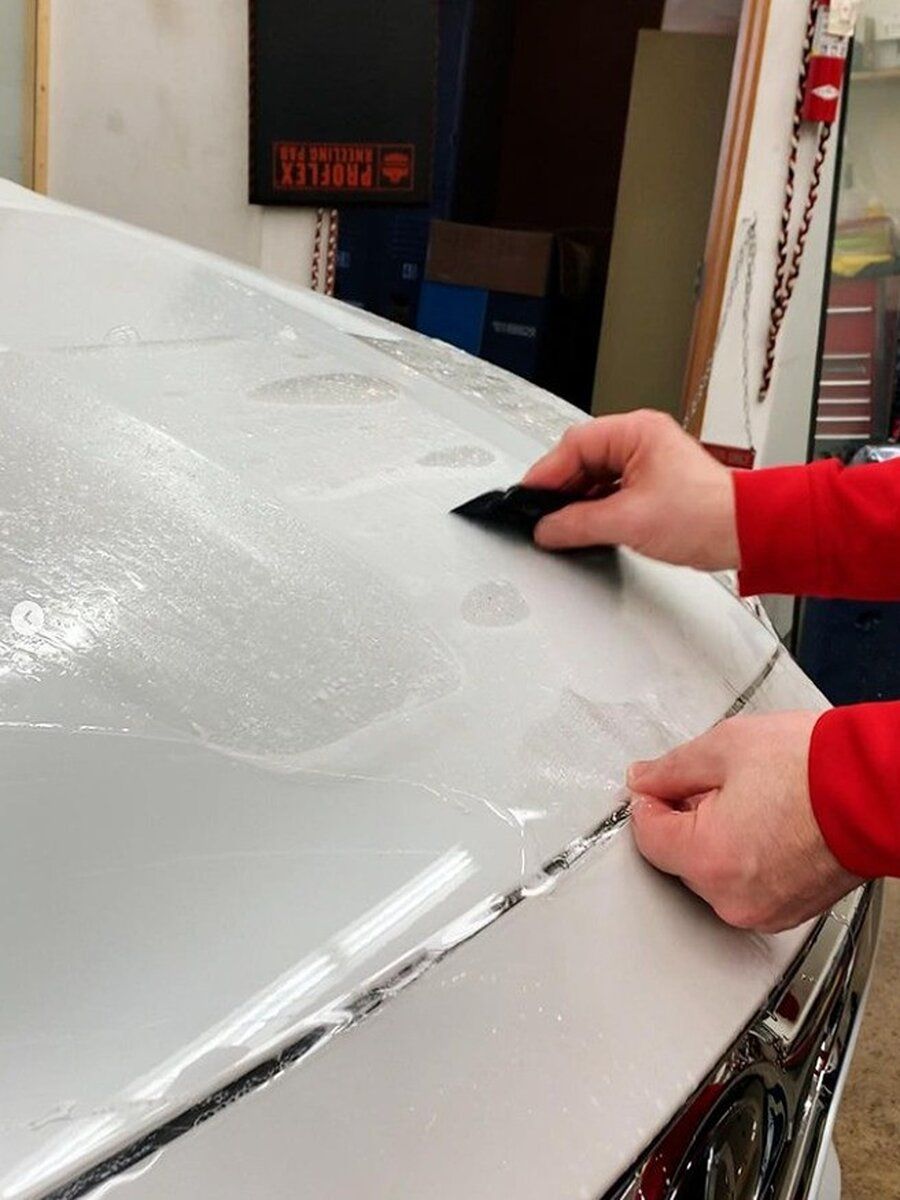
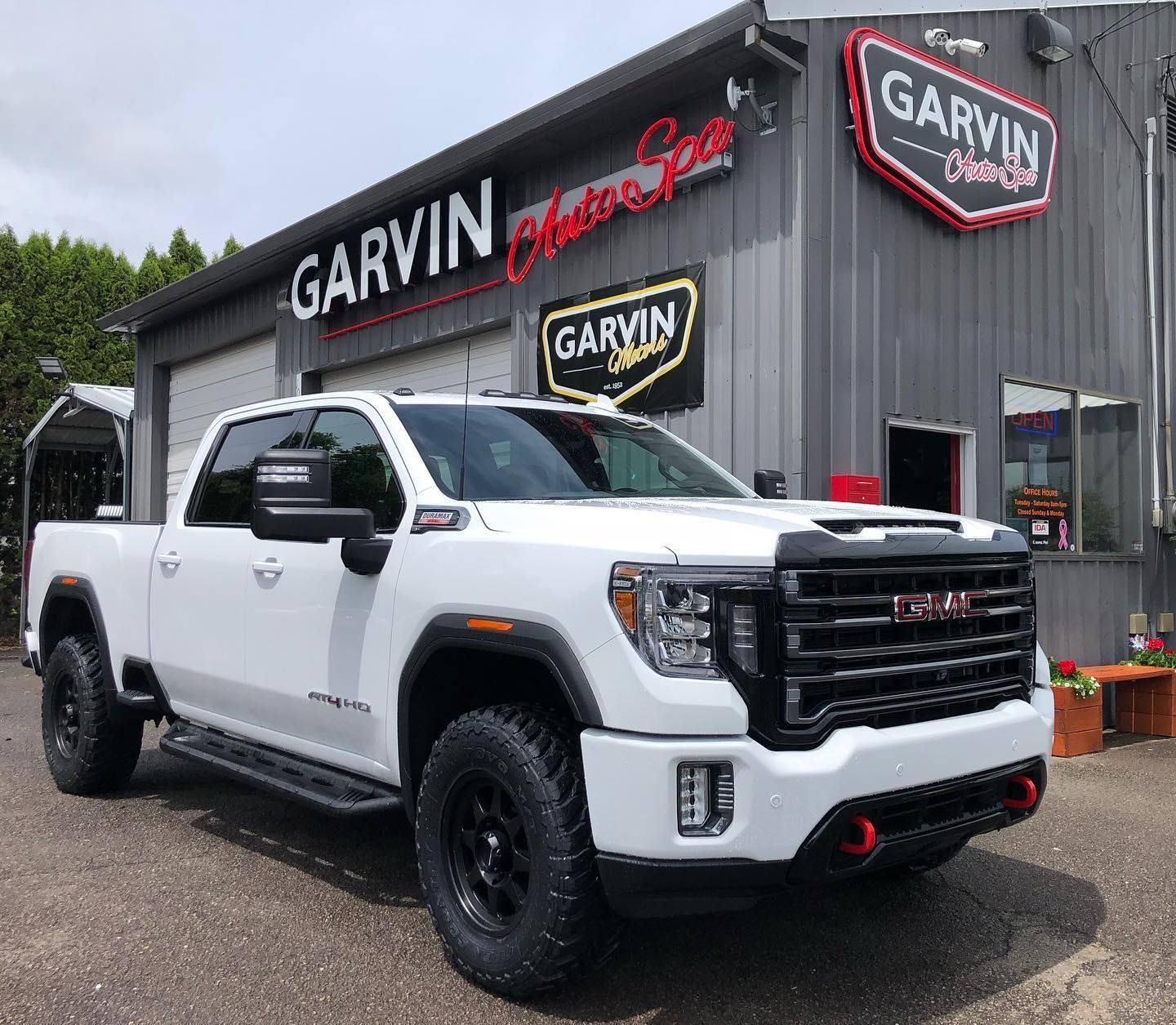
As a vehicle owner who values quality and preservation, you understand that paint protection film is more than just an accessory—it's an investment in maintaining your vehicle's beauty and value. At Garvin Auto Spa, our IDA-certified experts know that even the highest-quality PPF requires attention over time. Understanding when to replace your PPF ensures your vehicle continues to turn heads while staying protected against Yamhill County's diverse weather conditions.

Why PPF Replacement Matters to You

Your vehicle represents more than transportation—it's a reflection of your success and attention to detail. Regular PPF maintenance preserves not only your car's stunning appearance but also its resale value. Our professional team has seen firsthand how proactive PPF care can save thousands in paint restoration costs while keeping your vehicle looking showroom-fresh.

Key Signs Your PPF Needs Professional Attention

1. Discoloration or Yellowing

When your once crystal clear PPF begins showing signs of yellowing, especially on lighter-colored vehicles, it's compromising both protection and aesthetics. Our experience shows that UV exposure in the Pacific Northwest can accelerate this process, particularly during our sunny summers.


2. Peeling or Lifting Edges

Notice edges starting to lift? This isn't just unsightly—it's an open invitation for moisture and debris to damage your paint. Our certified technicians regularly see how Oregon's rain and road conditions can worsen edge lifting, potentially leading to costly paint repairs if left unaddressed.


3. Bubbling and Air Pockets

Professional installation minimizes bubbling, but temperature fluctuations and time can still cause issues. These bubbles aren't merely cosmetic concerns—they create vulnerable spots where protection fails. Studies indicate that 30% of PPFs with bubbling experience accelerated degradation within six months.


4. Visible Cracks or Tears

Road debris on Highways and other local routes can cause impact damage. Even small cracks expand quickly, with research showing that 25% of PPFs with visible cracks fail within one year if not replaced. Don't let minor damage become a major expense.


5. Loss of Gloss and Clarity

Your PPF should enhance your vehicle's appearance, not detract from it. When the film appears dull or hazy, it's no longer providing optimal protection. This degradation can reduce protective capabilities by up to 50%.


Professional PPF Replacement: The Garvin Auto Spa Advantage

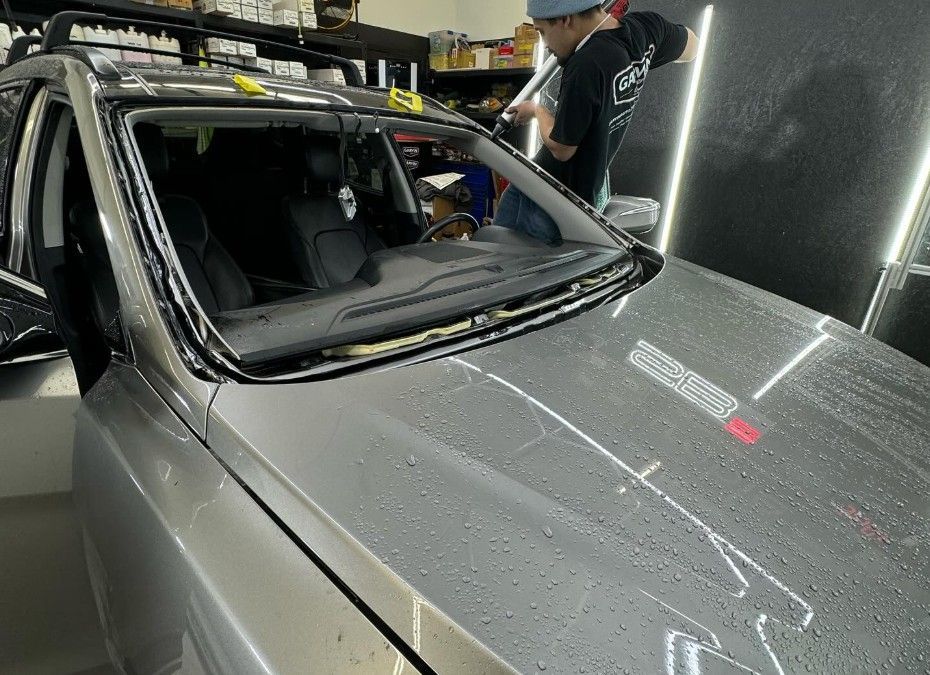
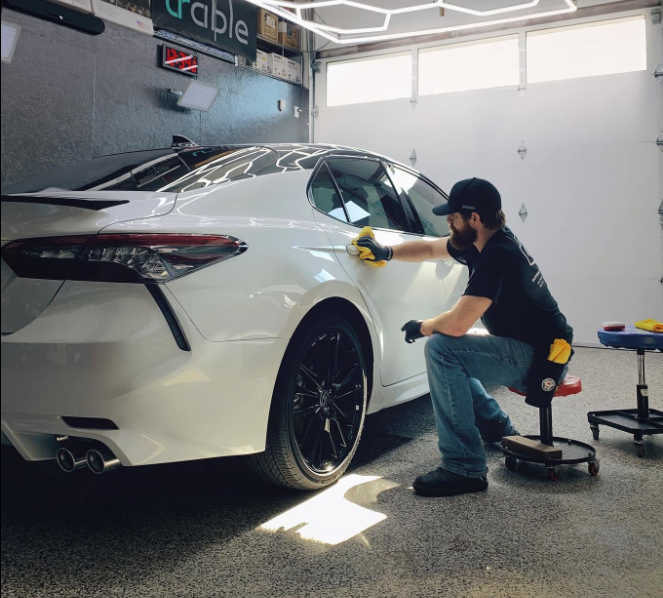
As Yamhill County's trusted auto detailing experts, we understand that your time is valuable. Our streamlined PPF replacement process minimizes downtime while ensuring meticulous attention to detail. Here's what sets our service apart:


Expert Assessment: Our IDA-certified technicians evaluate your PPF's condition with trained eyes, identifying issues you might miss

Premium Materials: We exclusively use industry-leading brands like LLumar®, and other brands.

Precision Installation: Our climate-controlled facility ensures optimal application conditions

Warranty Protection: Quality installations backed by comprehensive warranties

Personalized Service: Every vehicle receives customized attention based on your specific needs
Advanced PPF Technology for Modern Protection

Today's PPF technology offers remarkable advantages:

Self-Healing Properties: Minor scratches disappear with heat exposure

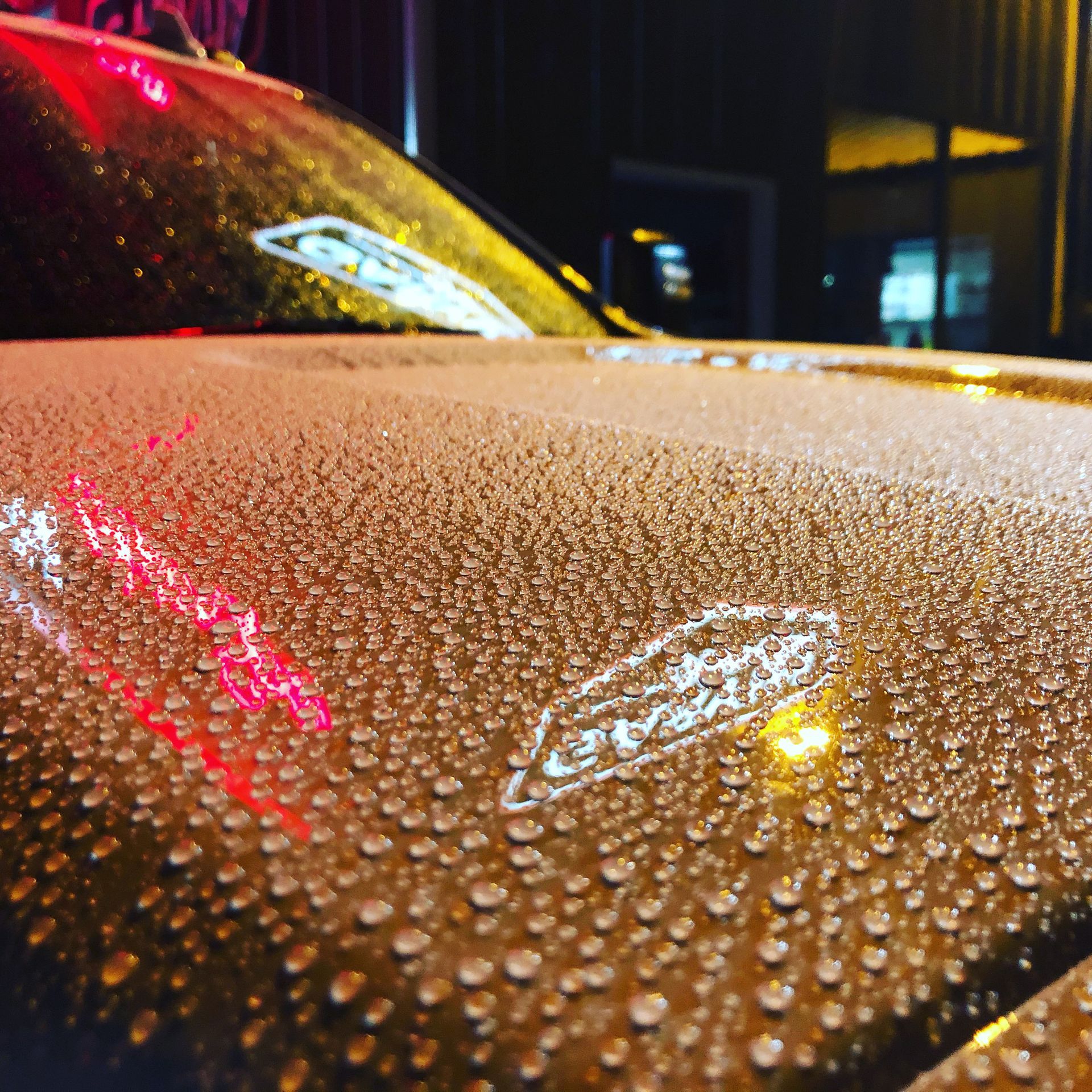
Hydrophobic Coatings: Water and dirt repel naturally, keeping your vehicle cleaner longer

Enhanced UV Protection: Superior resistance to yellowing and degradation

10+ Year Durability: Premium films offer extended protection with proper maintenance


Your Next Steps: Professional Evaluation

Don't wait for visible damage to compromise your vehicle's protection. We recommend professional PPF inspections every 6-12 months—a small time investment that can extend your film's life by up to 50%.


FAQs on PPF Care & Replacement

How often should I have my PPF professionally inspected?

We recommend professional inspections every 6-12 months. Regular assessments by trained technicians can identify early warning signs, potentially extending your PPF's life by 50% through timely maintenance.


Does environmental exposure in Oregon affect PPF lifespan?

Absolutely. Oregon's UV exposure, rain, and temperature fluctuations can impact PPF durability. Vehicles regularly exposed to harsh conditions may see a 30% reduction in PPF lifespan compared to garaged vehicles. Our team can recommend specific protection strategies for your driving conditions.


Can damaged PPF be repaired, or does it need complete replacement?

Minor damage like small scratches or tears can often be professionally repaired, saving you money. Approximately 70% of PPF damage is repairable when caught early. However, extensive yellowing, large tears, or widespread bubbling typically require replacement for optimal protection.


What should I look for in replacement PPF?

Consider these essential features:

  • Minimum 10-year warranty
  • Self-healing capabilities
  • UV resistance technology
  • Professional installation by certified technicians
  • Brand reputation


How does professional PPF installation differ from DIY?

Professional installation ensures:

  • Proper surface preparation
  • Contamination-free application environment
  • Precision cutting and fitting
  • Warranty protection
  • Expert techniques that maximize film lifespan


Our IDA-certified technicians have the training and experience to deliver flawless results that DIY attempts simply cannot match.


Schedule Your PPF Consultation Today

Ready to protect your investment with Yamhill County's premier auto detailing experts? Our team at Garvin Auto Spa is here to provide honest assessments and professional solutions tailored to your vehicle's needs.


Contact us today at 503-472-4278 to book your consultation to discuss your PPF maintenance options. See why discerning vehicle owners throughout the region trust us with their prized possessions.
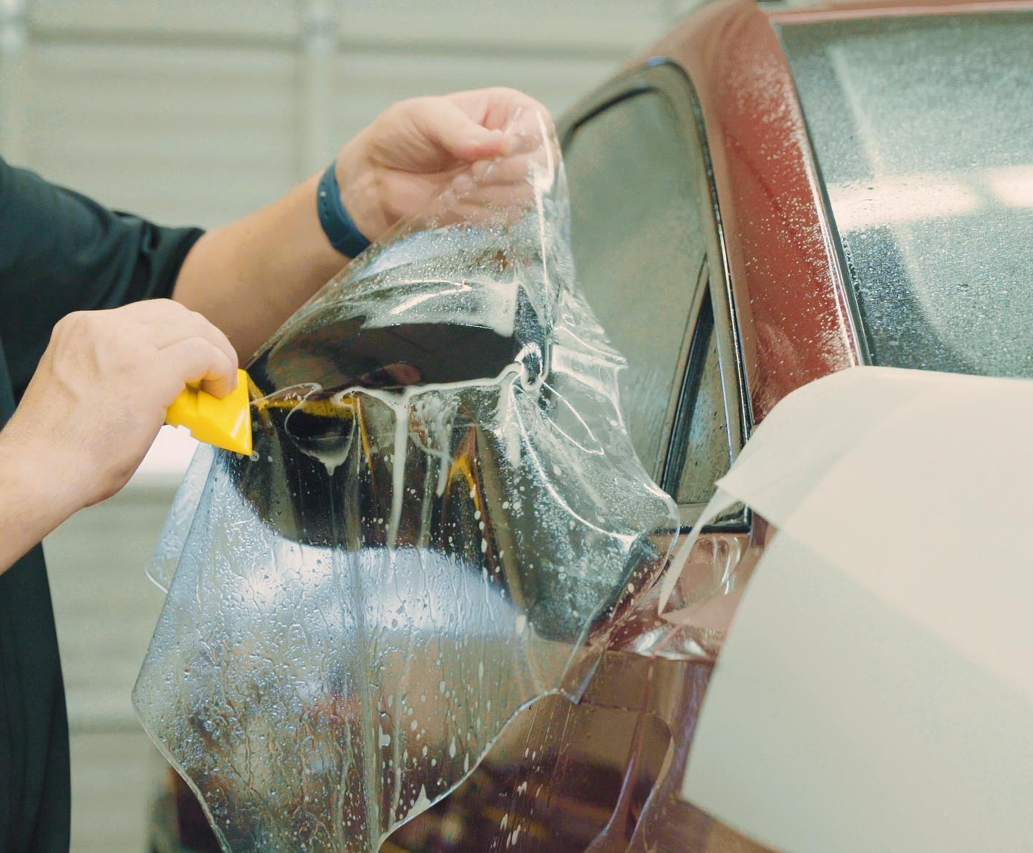
paint protection film
By SEO Team January 30, 2026
Learn whether paint protection film yellows over time, what causes discoloration, and how quality materials and maintenance extend PPF lifespan.
ceramic coating
By SEO Team January 30, 2026
Compare single vs multi-layer ceramic coatings, including durability, protection levels, gloss, lifespan, and cost to choose the best option.
ceramic coating
By SEO Team December 29, 2025
Learn the best time to apply ceramic coating on new vs used cars, how paint condition affects results, and how to maximize long-term protection.
Rock Chip Damage Prevention Tips
By SEO Team December 29, 2025
Learn how to prevent rock chip damage with expert tips, paint protection film, and ceramic coating. Keep your car safe, glossy, and scratch-free.
By SEO Team December 2, 2025
Learn when to repair a chip or replace a cracked windshield. Know the safety, cost and damage‑severity factors every Oregon driver should check.
By SEO Team December 2, 2025
Learn when you can patch damaged paint protection film and when a full replacement is needed. Get pro tips to restore protection and finish.
By SEO Team October 28, 2025
Explore whether you can safely layer or add on top of ceramic coatings. Learn expert tips for proper application, compatibility, and maximizing vehicle protection.
Black SUV parked inside a garage with detailing supplies, black rims, and a red accent wall.
By SEO Team September 29, 2025
Which Protection is Right for Your Investment? When it comes to protecting your vehicle's beauty and value, the world of automotive detailing offers several compelling options. As a vehicle owner in Oregon County who takes pride in maintaining your investment, you understand that choosing the right paint protection isn't just about aesthetics—it's about preserving your asset's value and appearance for years to come. Whether you're seeking that head-turning glossy shine or long-lasting protection against Oregon's diverse weather conditions, understanding the differences between wax, sealants, and ceramic coatings is essential. Each option delivers unique benefits, making it crucial to choose wisely based on your lifestyle, maintenance preferences, and long-term goals. Let's explore these protective solutions to help you make an informed decision that aligns with your needs. The Bottom Line: Wax provides natural shine but requires reapplication every 1-3 months; sealants offer synthetic protection lasting 6-12 months; while professional ceramic coatings deliver superior protection for multiple years with proper maintenance—making them the smart choice for those who value long-term vehicle preservation. Understanding Your Protection Options Traditional Wax: Classic Beauty with Commitment Car wax delivers that warm, deep shine that turns heads at car shows and in parking lots. Composed primarily of natural ingredients like carnauba, wax creates an inviting glow that enhances your vehicle's paint depth and richness. However, this beautiful finish comes with a commitment. You'll need to reapply wax every one to three months to maintain protection. While wax provides adequate defense against UV rays and light contaminants, frequent exposure to rain, sun, and road debris means regular reapplication becomes essential—a consideration for busy professionals who value their time. Paint Sealants: The Practical Middle Ground Synthetic sealants represent a significant step up in durability and protection. These advanced formulations can maintain their protective qualities for six to twelve months, depending on environmental factors and maintenance routines. Their engineered composition provides stronger resistance against UV damage and offers excellent protection from minor scratches and environmental contaminants. For those balancing a busy lifestyle with the desire to maintain their vehicle's appearance, sealants offer compelling benefits. They require less frequent application than wax while still providing reliable protection. Regular washing with pH-neutral products helps maintain optimal performance—a simple routine that fits well into most schedules. Ceramic Coatings: Professional-Grade Protection This is where paint protection technology truly shines. Professional ceramic coating creates a permanent or semi-permanent bond with your vehicle's paint through a durable layer of SiO2 (silicon dioxide). When professionally applied by IDA-certified technicians, these coatings provide exceptional protection lasting multiple years—typically two to five years with proper care. The hydrophobic properties of ceramic coatings are remarkable. Water beads and rolls off effortlessly, taking dirt and contaminants with it. This self-cleaning effect means your vehicle stays cleaner longer and requires less frequent washing—a valuable time-saver for busy professionals and families. The Professional Advantage While DIY options exist for all three protection types, professional application—especially for ceramic coatings—makes a significant difference in results and longevity. Here's why professional service matters: Expert Surface Preparation Professional detailers understand that 90% of the final result depends on proper preparation. This includes thorough decontamination, paint correction to remove swirls and imperfections, and ensuring the surface is perfectly clean before application. This meticulous process ensures maximum adhesion and longevity. Precision Application IDA-certified technicians bring years of experience and specialized training to every application. They understand the nuances of different paint types, optimal application conditions, and proper curing processes that DIY applications often miss. Warranty and Support Professional ceramic coating applications often include warranties and ongoing support—peace of mind that your investment is protected. This professional backing ensures you receive maximum value from your chosen protection.
Red Buick SUV in auto shop, tire cover on. Gray SUV in background.
By Adam Garvin September 29, 2025
When it comes to protecting your investment from nature's harsh realities, Paint Protection Film (PPF) stands as your vehicle's most trusted guardian. Picture this: you wake up after a severe storm to find your car completely unscathed—no hail damage, no paint chips, no signs of wear. This isn't wishful thinking; it's the reality for vehicle owners who've invested in professional-grade PPF. Many car enthusiasts and professionals in Oregon County underestimate the toll that Oregon's diverse weather patterns can take on their vehicle's exterior. From intense summer UV rays to winter road salt and unexpected hailstorms, these conditions lead to costly repairs and significantly diminished resale value. At Garvin Auto Spa, our IDA-certified experts have seen firsthand how quality PPF not only defends against minor scratches and chips but also stands guard against fading and corrosion caused by harsh elements. With proper protection and minimal maintenance, you can preserve your vehicle's showroom appearance for years to come. Paint Protection Film (PPF) acts as a durable barrier against extreme weather elements such as intense UV radiation, hail, and severe temperature fluctuations. By absorbing impact energy and resisting fading and oxidation, PPF helps maintain the integrity of your vehicle's paint, ensuring it remains protected from light scratches, chips, and other environmental damage that occurs during harsh conditions. The Investment-Grade Benefits of Paint Protection Film Paint Protection Film (PPF) acts like premium insurance for your vehicle’s exterior, shielding it from road debris and UV rays while helping maintain its resale value. By blocking up to 99% of harmful radiation and preventing chips and fading, PPF keeps your car looking showroom-fresh for years. Low-Maintenance Protection Busy professionals appreciate PPF’s easy upkeep—just routine washing instead of frequent waxing. Its self-healing technology even makes minor scratches disappear with heat, reducing repair costs and time. Preserve Value with Professional Installation A professionally installed PPF not only maintains your car’s aesthetic appeal but can also boost resale value by up to 10%. At Garvin Auto Spa, our IDA-certified technicians use precision software for a flawless, wrinkle-free fit—ensuring maximum protection and lasting results. Superior Protection Against Light Scratches and Environmental Damage Made from durable thermoplastic urethane, Paint Protection Film (PPF) shields your vehicle from road debris, door dings, and other everyday hazards. Unlike wax, which offers minimal defense, PPF absorbs impacts and resists scratches with far greater strength—keeping your paint flawless longer. The result: fewer repairs, a lasting showroom look, and stronger resale value. Advanced UV Protection and Environmental Defense Your vehicle's factory paint represents a significant portion of its value, yet without proper protection, that brilliance can fade rapidly. Ultraviolet (UV) rays pose one of the most persistent threats, causing considerable fading and oxidation over time. Just as prolonged sun exposure damages unprotected skin, your car's paint suffers significant wear from relentless UV radiation. Professional-grade PPF is engineered with advanced UV inhibitors, essentially acting as permanent sunscreen for your vehicle. This means your car's glossy finish remains intact longer, preserving both its aesthetic appeal and resale value. According to industry research, vehicles equipped with UV-resistant PPF demonstrate less paint fading over a two-year period compared to unprotected vehicles. Protection From Environmental Contaminants Beyond UV protection, PPF guards against various environmental hazards that threaten your car's finish. Bird droppings, tree sap, and pollen contain acids that can corrode paint if not cleaned promptly. PPF acts as a protective barrier, preventing these acidic components from contacting the paint directly.
ceramic coating
August 29, 2025
Have you just invested in ceramic coating to keep your vehicle looking showroom-new, only to wonder when it's safe to wash it? You're not alone! Many car enthusiasts and responsible vehicle owners invest significant time and money in ceramic coatings but aren't quite sure about the proper care afterward. As professionals who understand the value of your investment, we know that waiting to wash your vehicle can feel challenging, especially when it's calling out for a clean. However, understanding how long to wait and why this timing is crucial can make all the difference in protecting that pristine finish you've worked hard to achieve. The bottom line: Wait at least 7-14 days after ceramic coating application before washing your car to ensure proper curing and maximum protection. This patience protects your investment and ensures you get the full benefits of your ceramic coating. Why the Wait? Understanding Ceramic Coating Curing Curing isn't just a formality—it's the critical process that transforms your ceramic coating from a liquid application into a bulletproof protective shield for your vehicle. During this vital period, the coating chemically bonds with your car's paint, creating an armor-like barrier that resists contaminants, and harmful UV rays. Think of it like concrete: it needs undisturbed time to reach its full strength. Your ceramic coating requires this same patient approach to deliver maximum protection and longevity. Professional Insight: Studies show that properly cured ceramic coatings can enhance performance and boost longevity by up to 50%. This isn't just a minor detail—it's essential to maximizing your investment's protective capabilities. Recommended Waiting Period: 7-14 Days Most automotive experts recommend waiting at least 7 days after ceramic coating application before your first wash. This crucial week allows the coating to properly bond with your vehicle's surface, creating the durable protection you invested in. However, some premium coatings may require up to 14 days for complete curing, particularly in challenging environmental conditions. The specific product used on your vehicle determines the exact timeline, which is why consulting with your professional detailer is essential. Factors That Influence Curing Time Temperature: Ideal curing occurs between 60°F to 80°F (15°C to 27°C). Higher temperatures can accelerate the process, while cooler weather extends it. Humidity: High humidity (above 70%) can slow curing by up to 50%, potentially extending your wait to 14 days. Product Type: Different ceramic coating formulations have varying curing requirements. SiO2-based coatings typically cure faster than TiO2 alternatives.