PPF on a New Car: Should You Install Now or Wait? Pros, Cons & Timing Explained
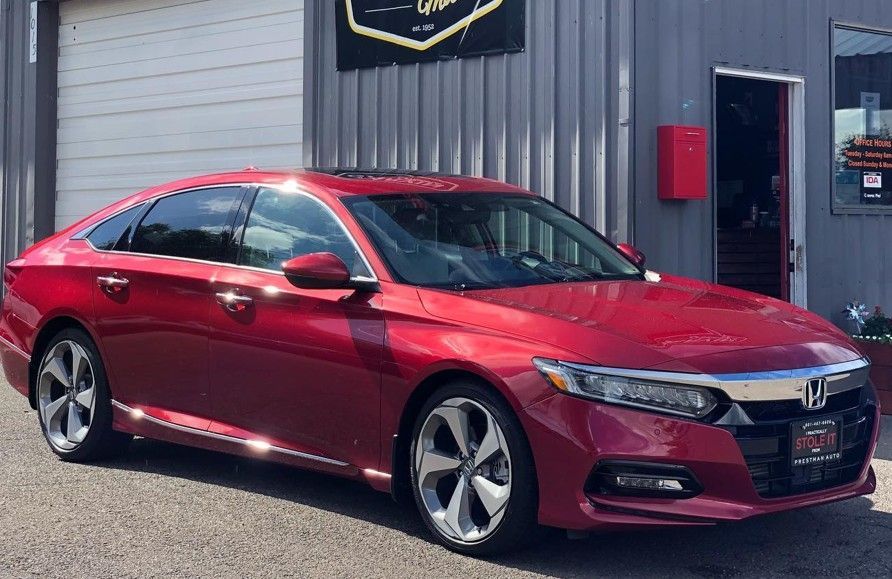
When you buy a new car, you want it to look perfect for as long as possible. But should you protect that fresh paint right away, or wait before adding Paint Protection Film (PPF)? It's about more than keeping your car shiny. It's about making a smart choice that balances cost, timing, and how you actually use your vehicle. Below, we'll break down what PPF does, why timing matters, and how to decide the best moment to get it installed.
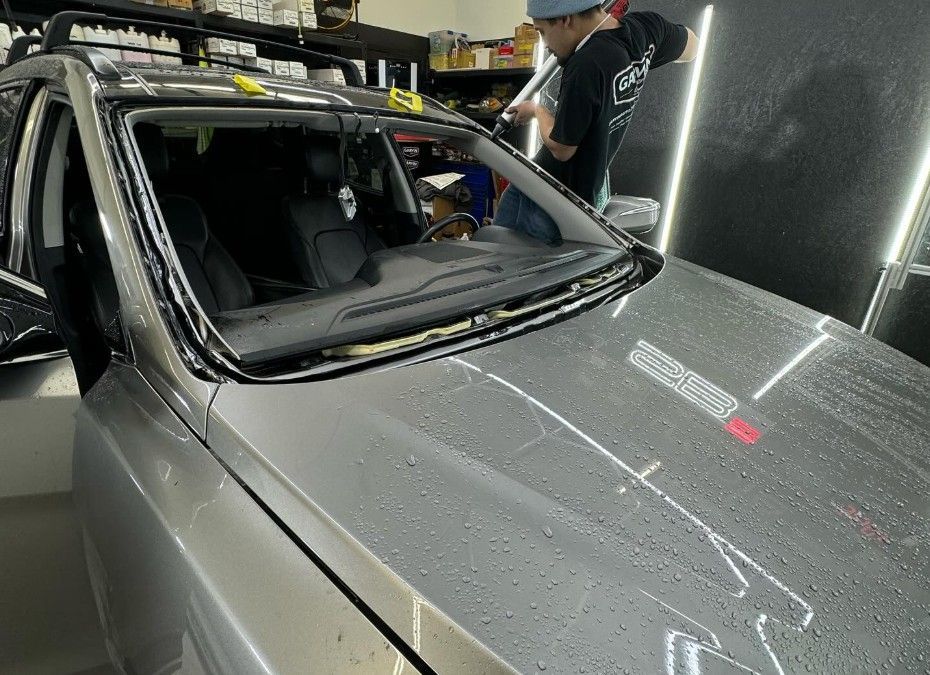
It is best to take your new car directly to a professional PPF installer without delay, allowing them to perform a full detail and paint correction before applying the film. Avoid waxing or sealing the paint yourself beforehand, as these treatments will be removed during installation.
What is PPF and Why Use It?
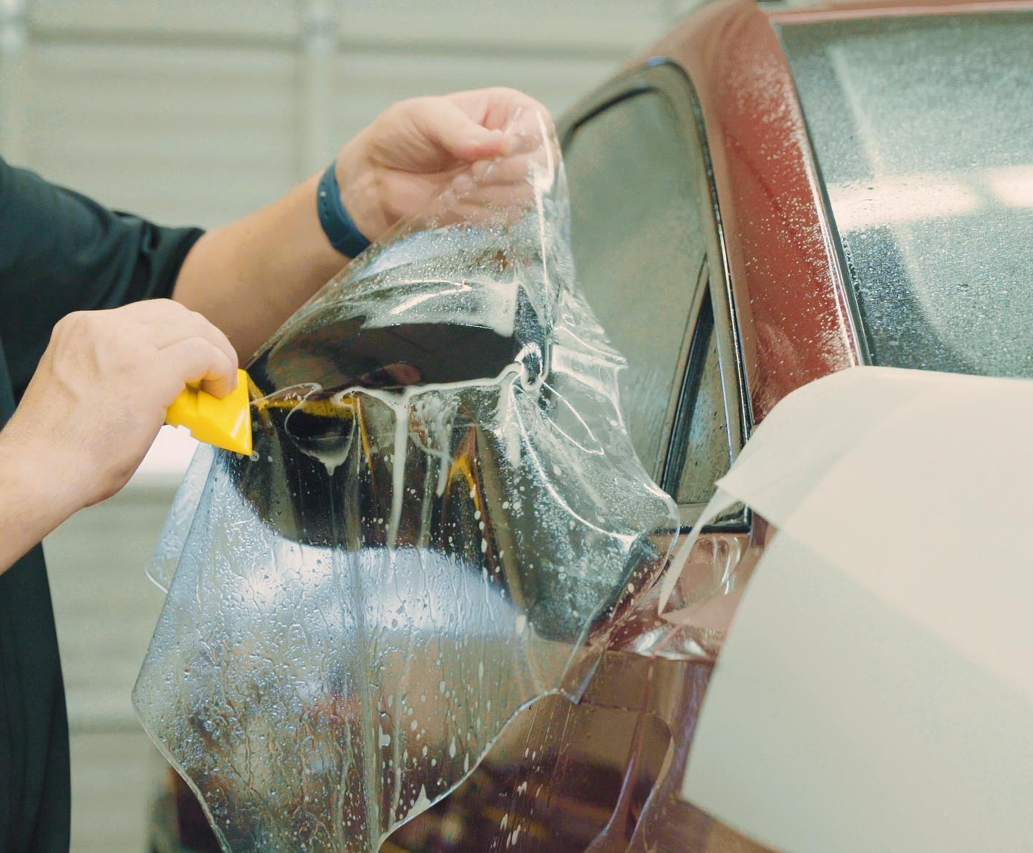
Paint Protection Film is a thin, tough polyurethane sheet that adheres to your car's surface and forms a physical barrier against gravel chips, parking lot scrapes, and insect acids. Unlike wax or ceramic coatings, PPF absorbs impacts rather than just sitting on top of your paint.
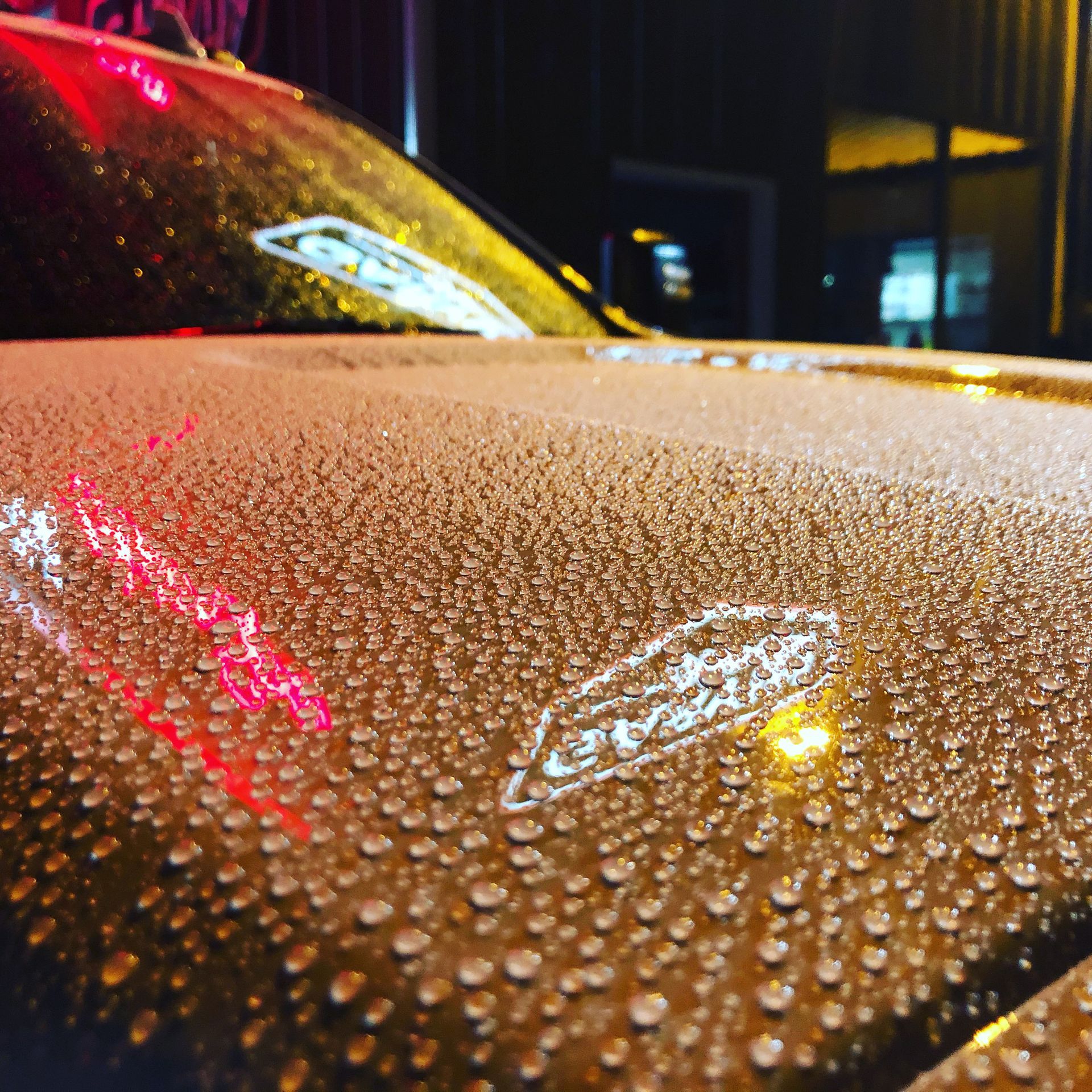
Several features set PPF apart. Its elasticity allows it to flex on impact instead of cracking. Self-healing technology enables minor surface scratches to vanish within 24 to 48 hours when exposed to warmth. UV resistance blocks harmful rays that fade paint over time. And hydrophobic properties repel water and contaminants, making cleaning quicker and easier.
| Feature | Benefit |
|---|---|
| Elastic Property | Absorbs small dings and impacts |
| Self-Healing | Minor scratches disappear with heat |
| UV Resistance | Prevents fading and paint degradation |
| Hydrophobic | Repels water, dirt, and contaminants |
Immediate Installation: Pros and Cons
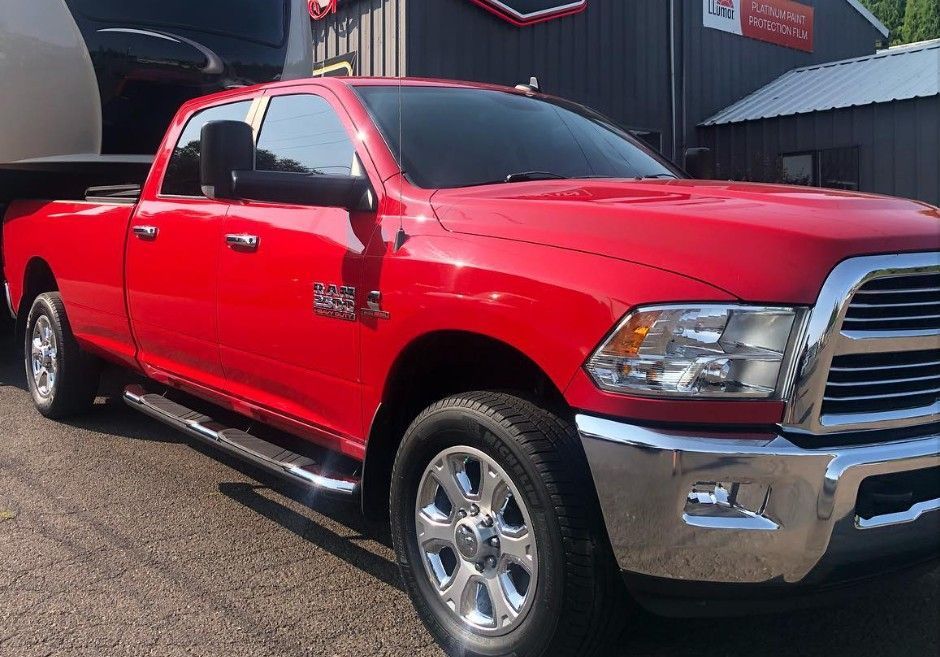
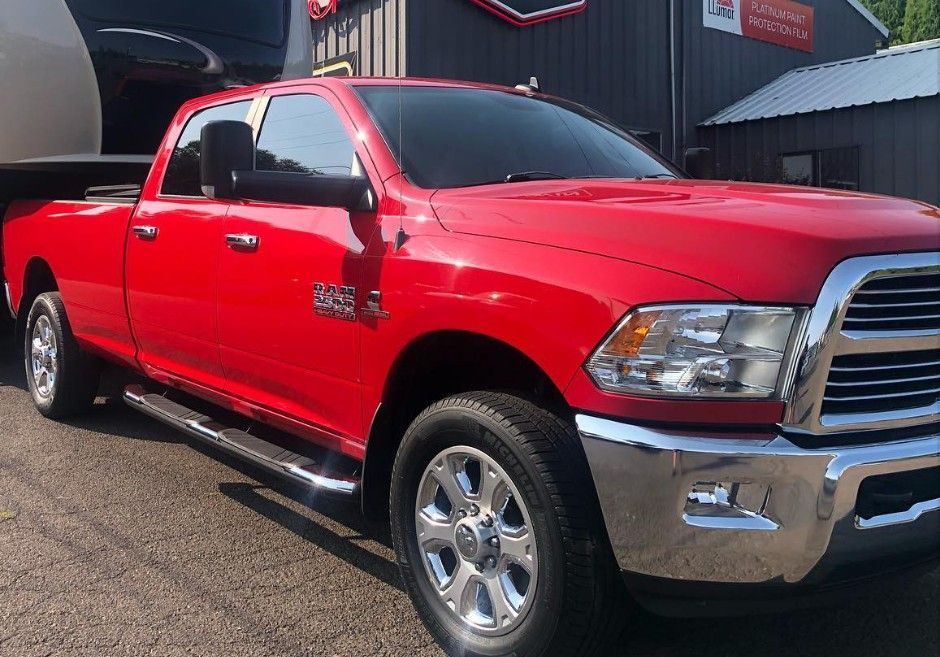
The strongest case for applying PPF right away is early protection. From the moment you drive off the lot, your car faces rock chips, airborne pollutants, and UV exposure. Paint protection film applied immediately acts as an invisible shield during that vulnerable first year, keeping your paint showroom fresh.
Immediate installation also supports stronger resale value. A flawless finish signals careful ownership, and buyers consistently pay more for vehicles with well-maintained exteriors. There's also the peace of mind that comes from enjoying your car without stressing over every road hazard.
The trade-offs? Professional installation typically costs $1,000 to $2,500 depending on vehicle size and coverage area. That can feel steep right after a major purchase. There's also the risk of trapping paint imperfections beneath the film. Subtle swirl marks from dealership prep or transport become permanent once sealed under PPF unless addressed beforehand.
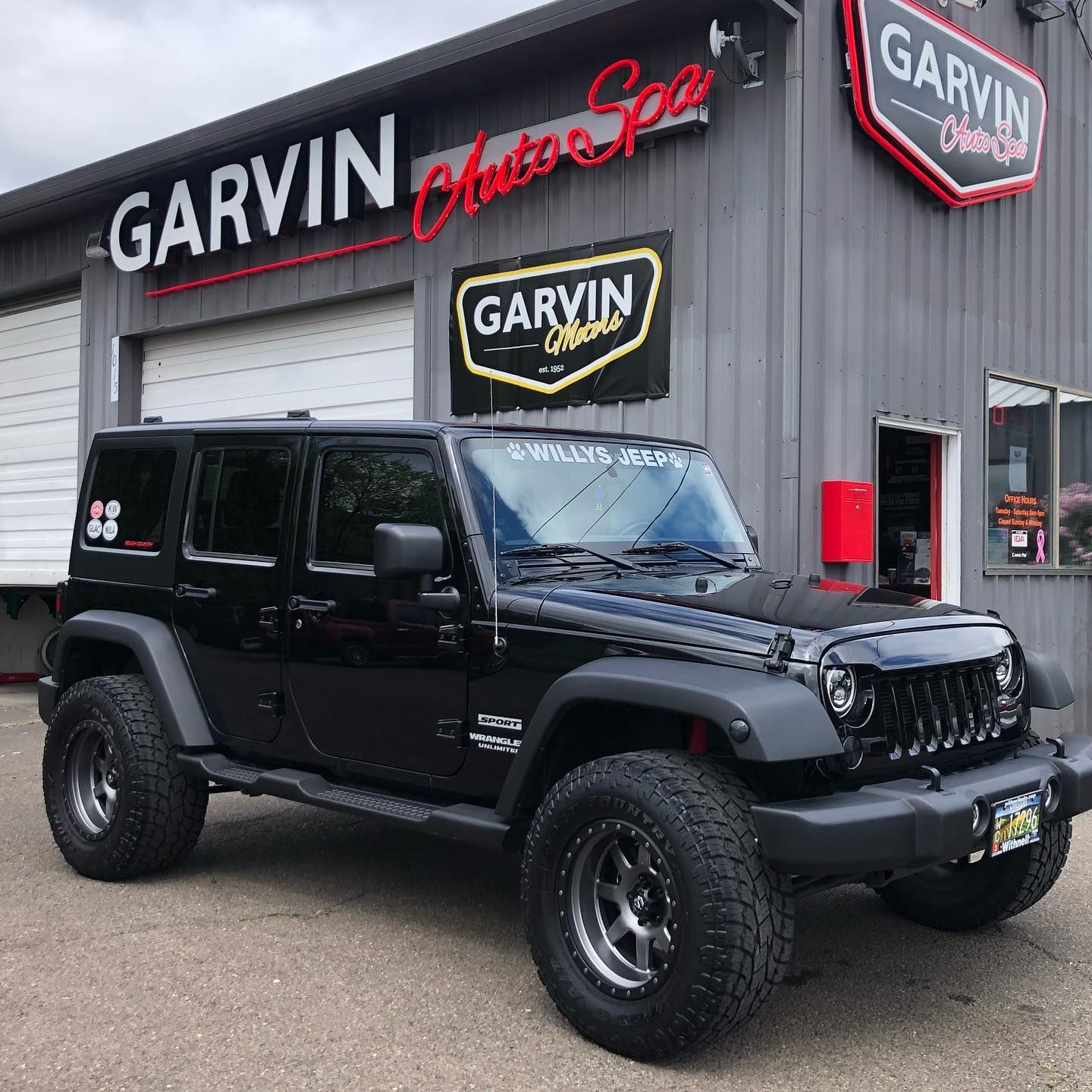
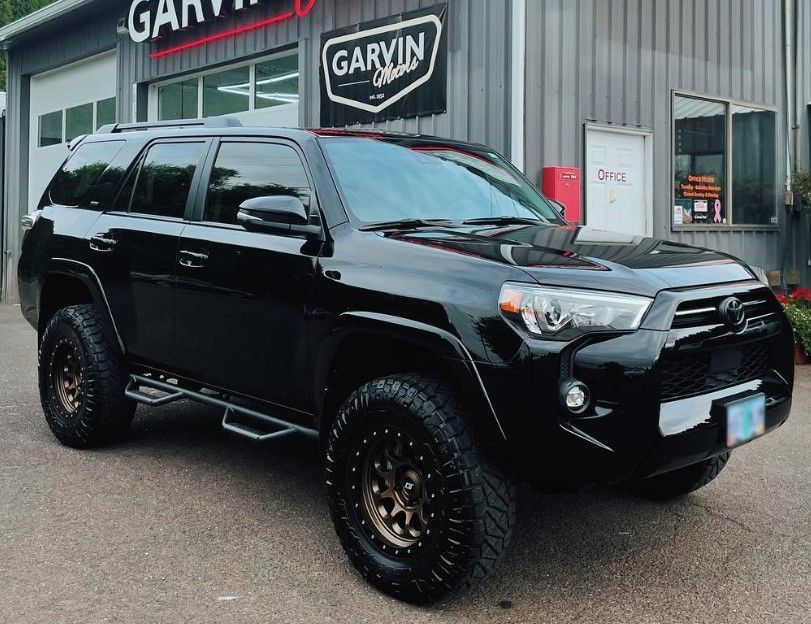
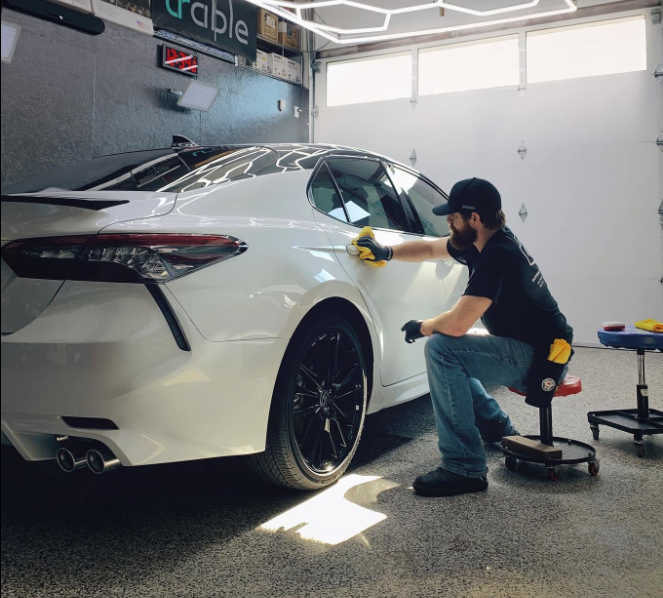
That's why professional detailers like those at Garvin Auto Spa recommend a full paint correction before installation, ensuring the surface is perfectly smooth for optimal adhesion. Applying wax or sealants beforehand is generally discouraged, as these products are removed during installation anyway.
Delayed Installation: Benefits and Risks
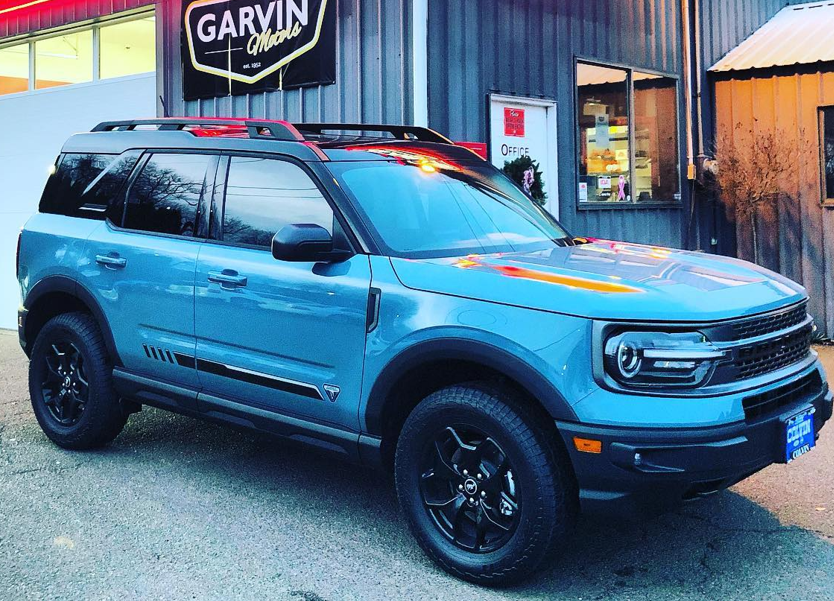
Waiting allows factory paint to fully cure, a chemical process that takes 30 to 60 days. Applying PPF before curing completes can cause bubbling or adhesive failure if the film traps residual solvents. This is especially relevant if touch-up paint was applied after delivery.
Delaying also gives time for minor factory defects to surface, making them easier to correct before the film goes on. Detailers can perform thorough preparation, including washing, claying, and polishing, that optimizes long-term film performance and adhesion.
However, new cars are especially vulnerable to chips and scratches in their first weeks on the road, and that damage becomes permanent once sealed under PPF. UV exposure steadily degrades unprotected paint, and accumulated dirt complicates surface prep. The repair costs from waiting often outweigh the perceived benefits.
| Aspect | Pros | Cons |
|---|---|---|
| Paint Curing | Ensures optimal adhesion | None |
| Surface Imperfections | Time to detect and correct defects | Risk of accumulating wear |
| Environmental Exposure | Detailed prep possible with cured surface | Increased UV and contaminant risk |
| Damage Risk | Inspect before film application | Chips become permanent under film |
Factors Influencing Your Decision
There's no universal answer. Highway drivers face gravel, road salt, and high-speed debris, making immediate PPF nearly essential. City drivers encounter fewer stone chips but deal with parking lot scratches and tight-space scrapes. Both need protection, but urgency differs based on the type and severity of exposure.
Driving frequency matters too. Daily commuters benefit most from immediate installation, while weekend-only or display vehicles may justify a short delay until regular driving resumes. A trusted installer can assess your paint condition, driving habits, and local environment to recommend the ideal timing for your situation.
Protect Your New Car Before Damage Has a Chance to Happen
Your vehicle's paint is never newer or more vulnerable than the day you drive it home. Whether you're considering full-body paint protection film installation or coverage for high-impact areas, getting expert guidance can help you make the right investment from the start.
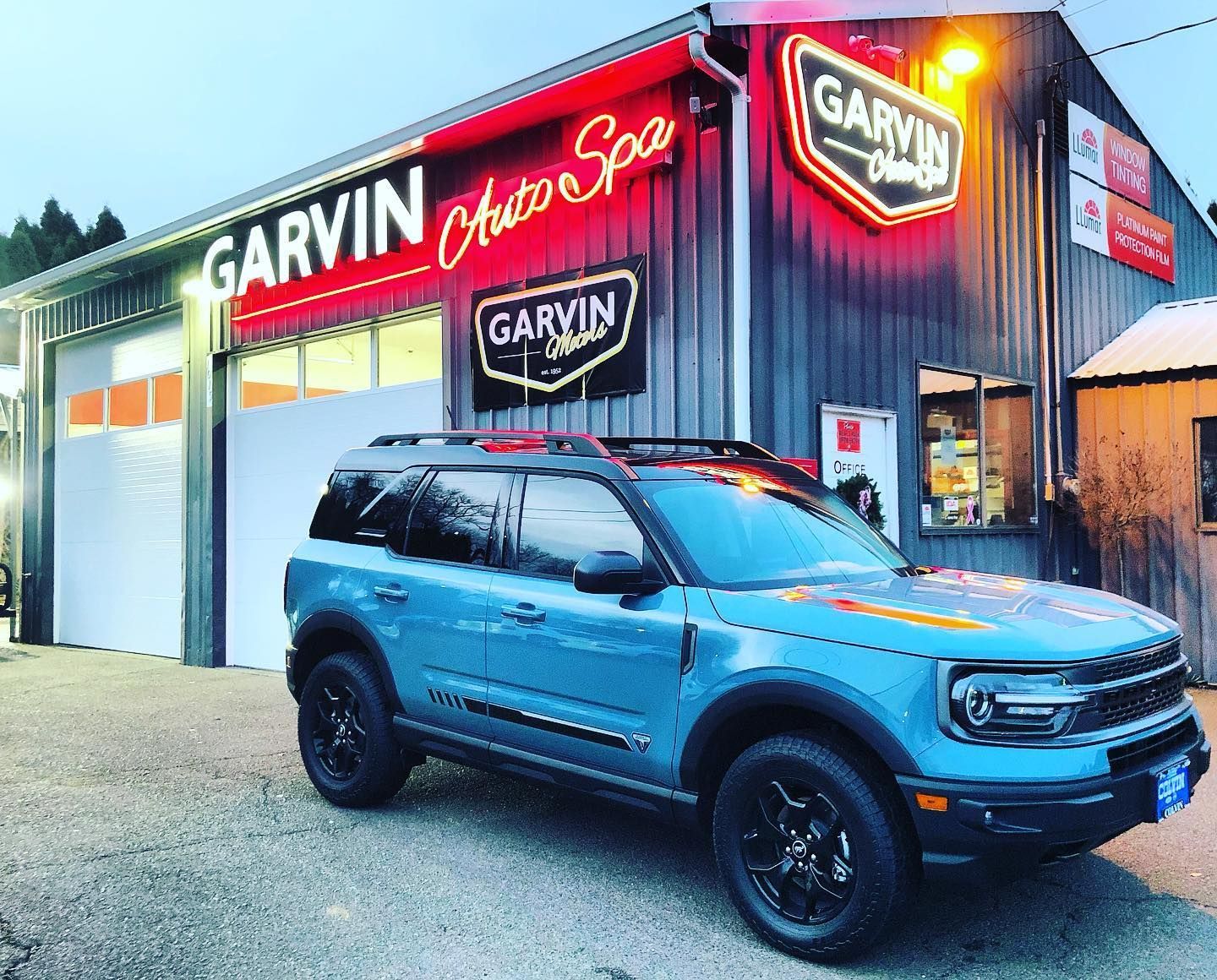
At Garvin Auto Spa, our experienced team can evaluate your vehicle, recommend the ideal PPF package, and ensure a flawless installation that preserves your paint for years to come.
Call us at
503-472-4278 to
contact us today to schedule a consultation and keep your new car looking showroom fresh from day one.
Related FAQs
How soon after buying a new car should I install PPF?
Ideally, PPF should be installed as soon as possible after purchase to minimize exposure to rock chips, scratches, road debris, and UV damage. Many owners schedule installation within the first few days of ownership.
Does a new car need paint correction before PPF installation?
In many cases, yes. Even brand-new vehicles can have minor swirl marks, transport-related imperfections, or dealership prep defects. A professional inspection can determine whether paint correction is needed before applying the film.
Can I drive my new car before getting PPF installed?
Yes, but every mile driven increases the chance of chips, scratches, and other paint damage. If you're planning to install PPF, minimizing driving beforehand helps preserve the paint's condition.
Is full-body PPF necessary for every new vehicle?
Not necessarily. Full-body coverage is ideal for luxury, performance, and frequently driven vehicles, while partial-front packages can provide excellent protection for high-impact areas at a lower cost.
Will PPF affect my car's appearance?
High-quality PPF is virtually invisible when professionally installed. It preserves your vehicle's original paint color and gloss while providing a protective barrier against everyday damage.
Can PPF be installed over ceramic coating or wax?
PPF adheres best to a clean, untreated paint surface. Any waxes, sealants, or ceramic coatings typically need to be removed before installation to ensure proper bonding.
How long does PPF last on a new car?
Most premium PPF products last between 5 and 10 years, depending on film quality, environmental conditions, and maintenance practices.
Is PPF worth it if I plan to sell my car in a few years?
For many owners, yes. PPF helps maintain the paint's condition, which can improve the vehicle's appearance and potentially increase its resale or trade-in value.
What areas of a new car should be protected first?
The front bumper, hood, front fenders, side mirrors, and door edges are typically the most vulnerable areas and are often prioritized when selecting partial PPF coverage.
Can PPF be removed in the future?
Yes. When professionally removed, high-quality PPF can usually be taken off without damaging the factory paint underneath, making it a reversible form of paint protection.