How Ceramic Coating Protects Paint with a Chemical Barrier: The Ultimate Car Finish Shield
If you’re serious about keeping your car’s paint looking fresh for years, ceramic coating might be the game-changer you’ve been looking for. Unlike waxes or simple sealants, ceramic coatings chemically bond with your vehicle’s paint to build a protective layer that resists scratches, UV damage, and dirt like nothing else. This article breaks down exactly how ceramic coatings work, what makes them special, and why they’re worth considering for a longer-lasting shine with significantly less hassle and maintenance over time.
Ceramic coating protects car paint by chemically bonding to the vehicle’s clear coat, creating a durable, semi-permanent layer composed primarily of silica (SiO2) that forms an invisible shield. This barrier offers superior resistance against UV rays, dirt, water, and environmental contaminants while providing hydrophobic properties that cause water and grime to bead off easily, significantly reducing surface damage and maintenance needs.
What Is Ceramic Coating?
At its core, ceramic coating is a specially formulated liquid polymer applied over your vehicle’s paint. Unlike traditional waxes or sealants that form a surface layer, ceramic coatings chemically bond with the clear coat, creating a semi-permanent shield that becomes part of the paint itself and lasts years rather than weeks or months.
The backbone of the coating is silicon dioxide (SiO2), which cures into a hard, glass-like lattice structure. This invisible armor protects against UV rays, acid rain, and bird droppings, and it stays bonded tightly for prolonged protection. Users also benefit from a notable hydrophobic effect: water beads and rolls off effortlessly, reducing the frequency and intensity of cleaning and preserving that glossy showroom shine.
Professional-grade ceramic coatings can endure two to five years or more with proper care, and they effectively block up to 99% of UV radiation, preventing oxidation and color fade. This is especially valuable in variable climates like Oregon’s Willamette Valley. Whether you choose professional installation at Garvin Auto Spa or a DIY kit at home, thorough surface preparation and a full 48-hour cure are essential to unlocking these benefits.
Chemical Composition and Working Mechanism
The key ingredient in ceramic coatings is Polydimethylsiloxane (PDMS), a silicon-based organic polymer that provides optical clarity and heat resistance. Silane compounds are added to create covalent bonds that anchor the coating securely to the paint. Together with silica (SiO2), these compounds cure through a process called sol-gel chemistry, weaving silica molecules into an intricate microscopic lattice that forms a tough, glass-like armor.
Additives like titanium dioxide (TiO2) absorb UV radiation and disperse it harmlessly, extending your vehicle’s color life. Once fully cured (typically five to seven days), the coating achieves a hardness rating of 9H or higher on the pencil hardness scale, far exceeding standard automotive clear coats. The resulting Si–O–Si covalent bonds lock the coating firmly to your paint, preventing peeling and degradation while creating hydrophobicity with water contact angles between 100° and 120°, so water beads up and slides off easily.
Application Process for Ceramic Coating
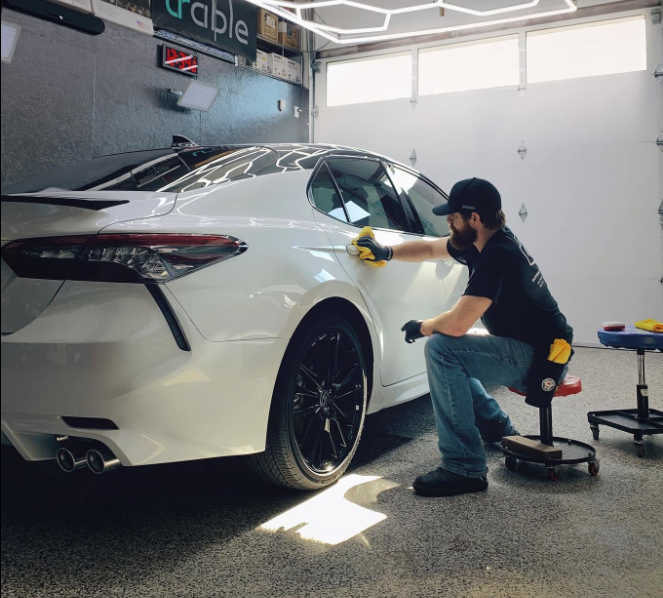
Applying ceramic coating requires patience and precision. The process begins with thorough cleaning: a pH-neutral shampoo strips away oils and contaminants, exposing the hydroxyl groups that act as molecular hooks for the coating. Clay bar treatments follow to remove embedded particles, and polishing eliminates scratches and swirl marks to ensure uniform coverage. Skipping either step risks trapping imperfections under the coating permanently, so this prep work should never be rushed.
Application is done in small sections of about two feet by two feet using a microfiber applicator pad. A crosshatch pattern (horizontal then vertical) ensures even coverage. After the coating reaches its “flash time,” a clean microfiber towel buffs off the excess. Curing requires temperatures between 60°F and 75°F with humidity below 50%. Full hardness and chemical resistance develop over 24 to 48 hours, during which you should keep the vehicle dry to avoid disrupting the silica network.
Benefits of Ceramic Coating
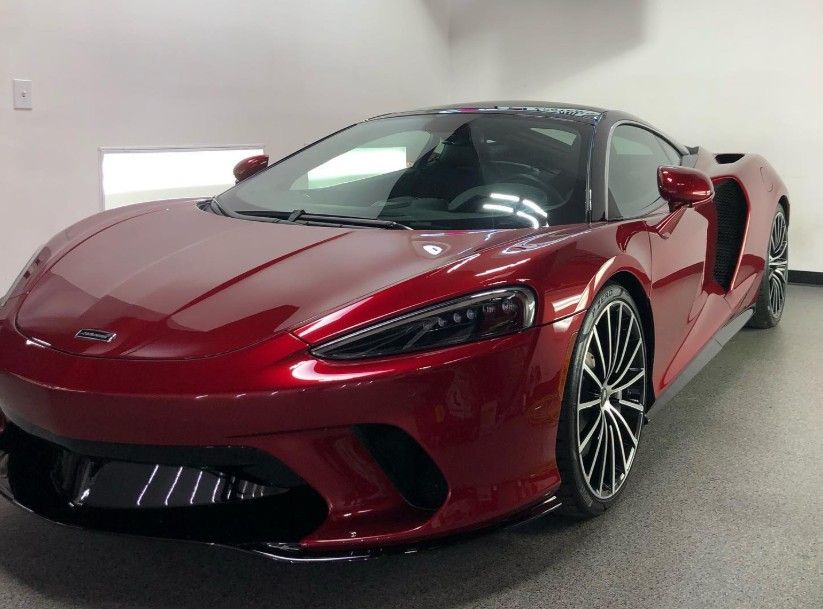
Car ceramic coating delivers a powerful combination of protection and aesthetics. Its high silica content blocks up to 99% of UV radiation, preventing oxidation and color fade. Coated vehicles retain their glossy finish approximately 50% longer than unprotected ones. The hydrophobic surface (contact angles between 91° and 120°) causes rain and grime to roll off naturally, reducing wash frequency and saving time. Garvin Auto Spa’s own Reset product is an ideal pH-neutral shampoo for maintaining the coating’s sheen.
| Benefit | Description | Impact |
|---|---|---|
| UV Protection | Blocks 99% of UV rays, preventing fading | Long-lasting color retention |
| Hydrophobic Surface | Water beads up and removes dirt effortlessly | Less frequent washing |
| Chemical Resistance | Protects against sap, bird droppings, acid rain | Guards against stains |
| Gloss Enhancement | Boosts paint gloss by 20–30% | More vivid and eye-catching finish |
| Durability | Lasts 2–5 years professionally; 1–2 years DIY | Extended protection cycle |
While ceramic coating improves surface hardness (7 to 9 on the Mohs scale), it is not scratch-proof and cannot fully prevent damage from improper washing or physical impacts. It is best understood as a near-permanent sealant that eliminates routine waxing while delivering unmatched depth of shine. The key is pairing this investment with proper, consistent care so the coating can perform at its full potential for years to come.
Durability and Maintenance
Professionally applied ceramic coatings protect your paint for two to five years by forming a tough, hydrophobic bond with the clear coat. However, the coating is not a set-it-and-forget-it solution. Washing with pH-balanced shampoos using a gentle two-bucket method is essential. Avoid abrasive tools, high-pressure rinsing, and automatic car washes with harsh brushes, all of which can degrade the coating prematurely.
When you notice diminished water beading or reduced gloss, typically every 8 to 12 months, a booster or topper application restores the hydrophobic properties. Vehicles in Yamhill County, with its wet winters and dry summers, may benefit from a more vigilant schedule. Think of ceramic coating like sunscreen: effective protection that needs periodic reapplication to stay at full strength. Staying consistent with this routine is what separates a coating that lasts two years from one that delivers five.
Potential Drawbacks and Considerations
Ceramic coatings are not a magic shield. They do not prevent scratches from everyday hazards like shopping carts or gravel, and aggressive washing techniques can create swirl marks on the coating itself. Professional application typically starts around $875 and can exceed $2,000 depending on vehicle size and condition, making the upfront cost a significant factor for many owners.
DIY kits are available for under $100, but their protective qualities typically last only 6 to 12 months rather than the years claimed, and uneven application can mar the finish. Removal also requires machine polishing that thins the clear coat over time. Installer skill matters significantly; inconsistent application or inadequate preparation leads to poor results regardless of certification. Choosing proven, IDA-certified professionals like those at Garvin Auto Spa ensures the prep work is done right and the coating performs as expected.
Give Your Vehicle a Showroom-Quality Finish That Lasts
Your car deserves more than temporary protection. With professionally applied ceramic coating, you get a deep, glossy finish backed by years of resistance against UV rays, contaminants, and environmental damage.
Garvin Auto Spa delivers expert-level application designed for lasting performance and visual excellence.
For expert advice and professional application tailored to your car’s needs, call us at 503-472-4278 to schedule a consultation online.
FAQs on Ceramic Coating
How does ceramic coating actually protect car paint?
Ceramic coating forms a chemical bond with your vehicle’s clear coat, creating a durable, semi-permanent barrier. This layer resists UV rays, oxidation, dirt, and chemical contaminants while reducing direct exposure that causes paint damage.
Is ceramic coating better than wax or sealants?
Yes. Ceramic coating lasts significantly longer and provides stronger protection than wax or sealants. While wax may last a few months, ceramic coatings can protect your paint for 2–5 years with proper maintenance.
Does ceramic coating make a car scratch-proof?
No. Ceramic coating improves surface hardness and helps resist minor swirl marks, but it does not prevent deep scratches or rock chips. For impact protection, Paint Protection Film (PPF) is a better option.
How long does ceramic coating last on a car?
Professional ceramic coatings typically last between 2 to 5 years, depending on product quality, driving conditions, and maintenance. DIY coatings usually last 6 to 12 months.
What maintenance is required after ceramic coating?
You should wash your car regularly using pH-neutral shampoo and avoid harsh chemicals or automatic car washes. Periodic booster applications every 6–12 months help maintain hydrophobic properties and shine.
Can ceramic coating be applied to any vehicle?
Yes, ceramic coating can be applied to most vehicles regardless of age or type. However, proper paint correction and preparation are essential before application to ensure the best results.
Does ceramic coating improve shine and appearance?
Yes. Ceramic coating enhances gloss and depth, making your vehicle’s paint look richer and more reflective. It also helps maintain that finish for a longer period compared to traditional protection methods.
Is professional ceramic coating worth the cost?
For most car owners, yes. Professional application ensures proper surface preparation, even coating, and longer durability, which leads to better protection and long-term value compared to DIY options.
Can you combine ceramic coating with PPF?
Yes. Many car owners use PPF on high-impact areas like the hood and bumper, then apply ceramic coating over the rest of the vehicle for added gloss, hydrophobic properties, and easier maintenance.