Ceramic Coating vs. Paint Protection Film: Which Is Better for Car Care and Durability?
Protecting your car's paint can feel overwhelming when you are choosing between a ceramic coating that delivers a glossy, water-repellent finish and paint protection film (PPF) that acts like invisible armor against scratches and chips. Both have real strengths and clear limitations, and the right choice depends on how you drive. After helping drivers across McMinnville and Yamhill County work through this decision, our team at Garvin Auto Spa put together this comparison to clear up the confusion.
Paint protection film gives superior physical protection against rock chips, scratches, and vandalism thanks to its thick, self-healing film, which makes it ideal for high-impact areas. Ceramic coating offers an invisible, hydrophobic finish that repels dirt, resists minor abrasions, and enhances gloss, but it does not guard against rock chips. In short, PPF wins on impact resistance, while ceramic coating excels at maintenance and appearance.
Ceramic Coating vs. Paint Protection Film Overview
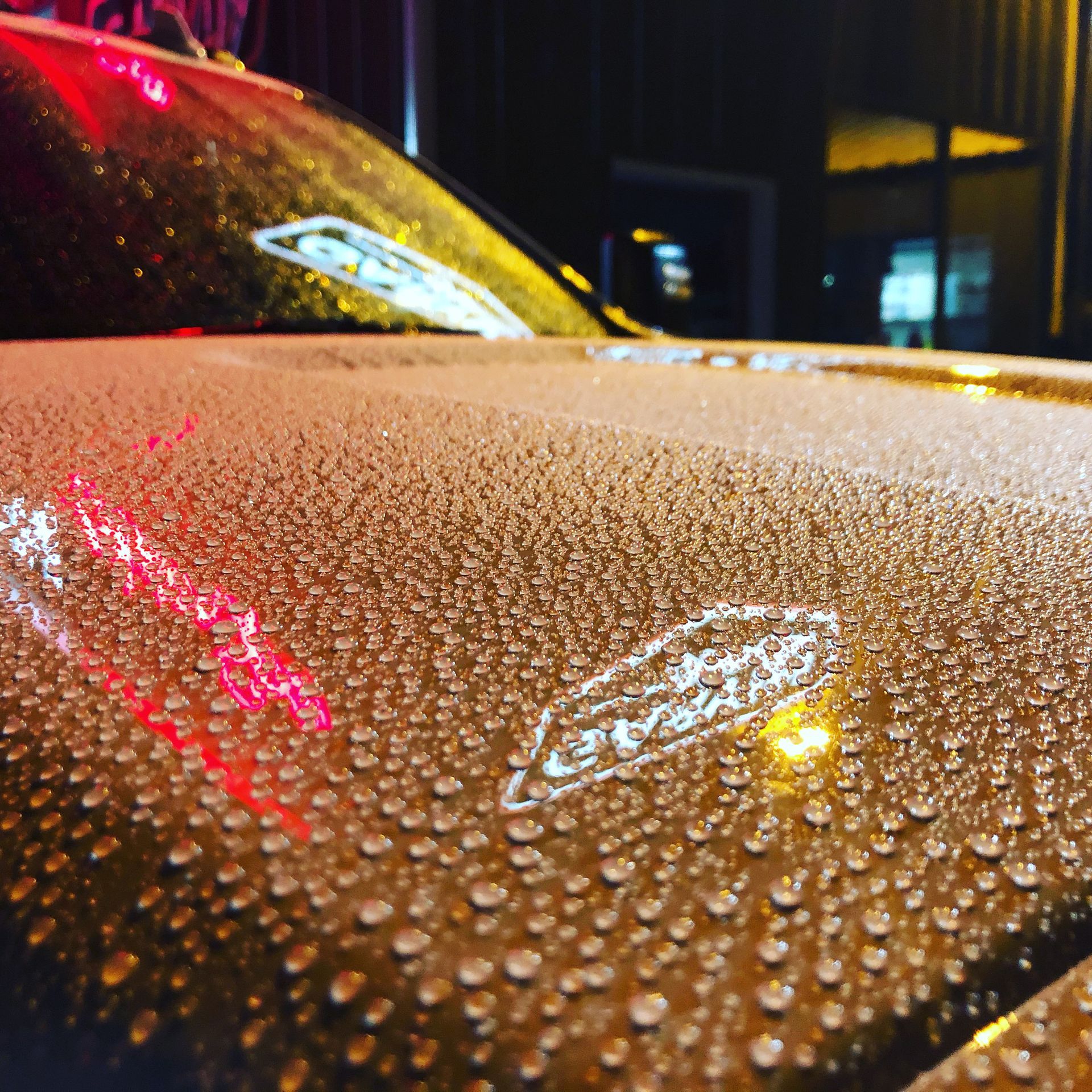
Ceramic coating is a liquid polymer that bonds chemically to your factory paint, creating a durable layer that deepens gloss and protects against minor scratches and contaminants. Its smooth, hydrophobic surface repels water and grime, making cleaning easier and helping preserve your car's look for years.
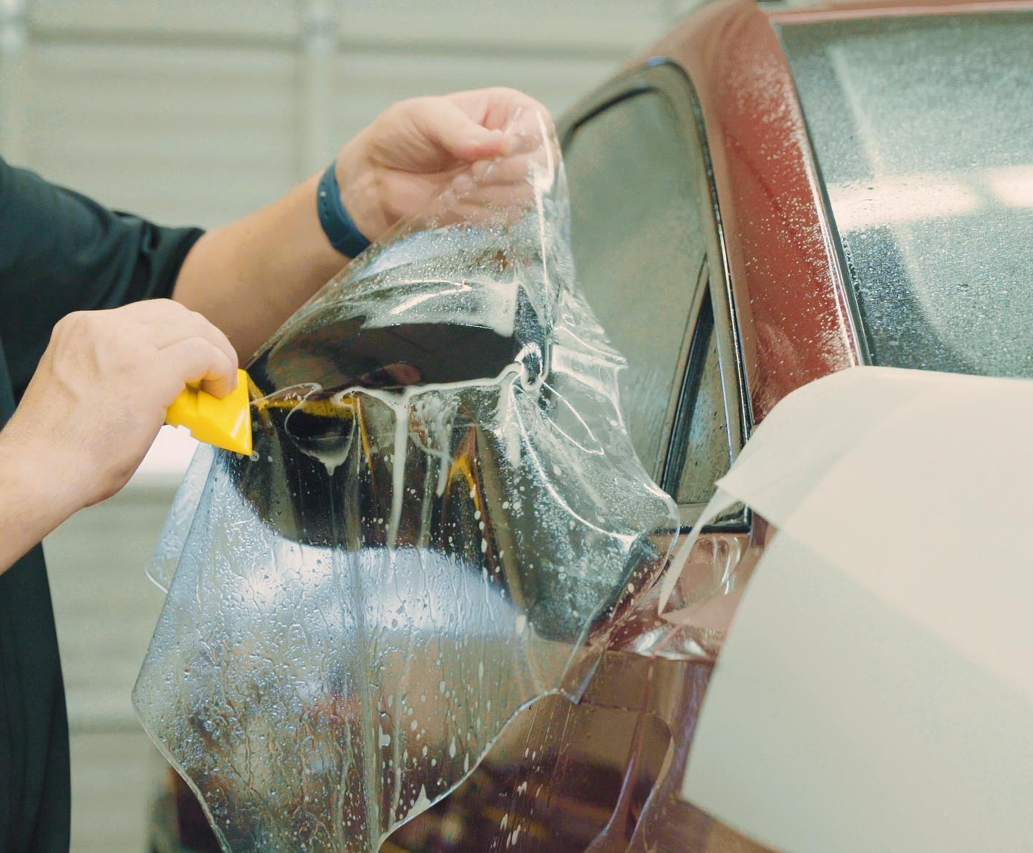
PPF is a clear, flexible urethane film applied over the paint to shield against rock chips, deep scratches, and vandalism. It is thicker and tactile, designed to absorb impacts that would otherwise mar your paint, and many modern films are self-healing, so minor scratches fade with heat.
Durability and Appearance
Paint protection film generally offers longer-lasting protection, with typical lifespans of 5 to 7 years and premium films up to a decade, because it physically shields the car rather than only resisting the environment. That makes it especially valuable for drivers who face gravel roads or conditions where rock chips are common.
Ceramic coatings typically last 2 to 5 years, depending on product quality and upkeep with proper washing and pH-neutral shampoos. They will not prevent chips or major scratches, but they excel at protecting against UV rays, road salt, acid rain, bird droppings, and minor abrasions that cause paint to fade. They also feel silky smooth because they bond directly to the clear coat, while PPF can add subtle texture.
| Feature | Ceramic Coating | Paint Protection Film (PPF) |
|---|---|---|
| Protection Type | Chemical bond and hydrophobic barrier | Physical barrier |
| Impact Resistance | Minor scratch resistance | High resistance, including rock chips |
| Appearance | Enhances gloss with no texture change | Slight texture; visible edges if partially wrapped |
| Lifespan | 2 to 5 years | 5 to 7 years (premium up to 10) |
| Maintenance | Requires regular washing and upkeep | Gentle washing; less demanding |
| Cost | $1,000 to $3,000 (full car) | $2,000 to $10,000 (partial to full wrap) |
| Self-Healing | No | Yes (some films) |

Benefits of Ceramic Coating
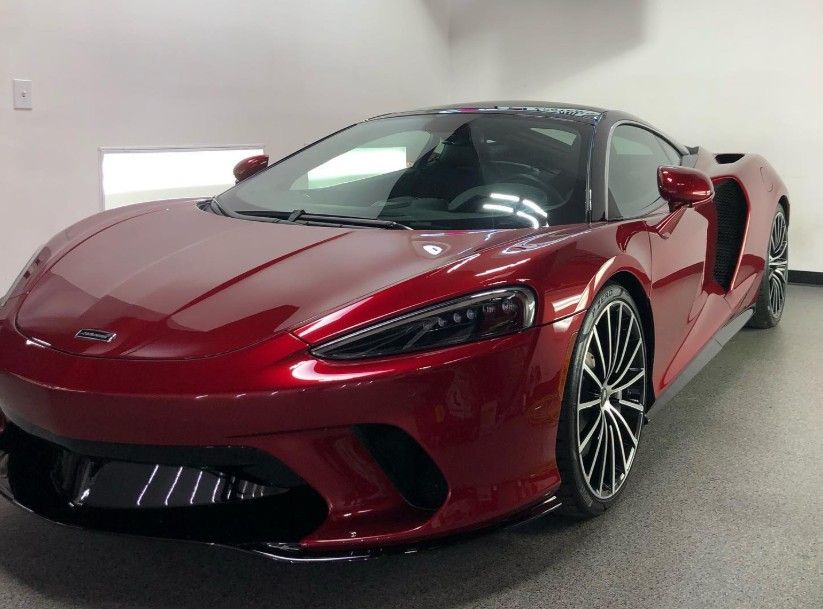
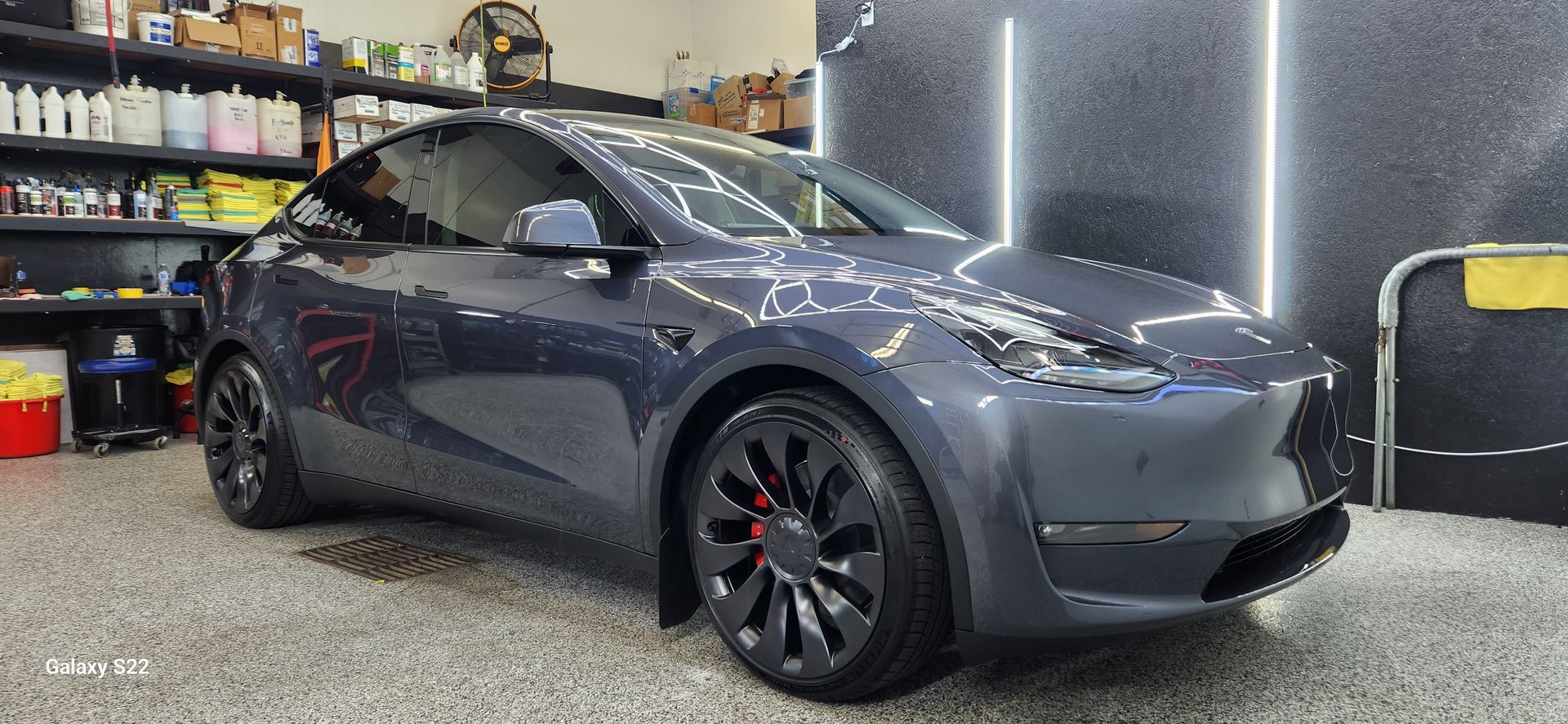
Applied professionally, ceramic coating bonds to the clear coat and creates a rich, glossy finish that lasts for years rather than washing off. Keeping that gloss simply calls for periodic gentle washing with products designed for coated surfaces.
Beyond appearance, ceramic coating shields against UV damage, a leading cause of faded paint, helping prevent oxidation and preserve color. Its tightly bonded surface also resists bird droppings, tree sap, road salt, and pollution far better than wax, so contaminants bead up and wipe away instead of staining the clear coat. The added surface hardness, rated up to 9H on the pencil hardness scale, improves resistance to swirl marks and light abrasions without changing the factory gloss.
| Feature | Untreated Paint | Ceramic Coating |
|---|---|---|
| Gloss Enhancement | None | Noticeably deeper, richer gloss |
| UV Protection | Low | Added protection from UV rays |
| Chemical Resistance | Minimal | Resists bird droppings and sap |
| Scratch Resistance | Pencil hardness 2H to 3H | Pencil hardness up to 9H |
| Hydrophobic Effect | Absent | Strong water beading |
| Maintenance | Frequent | Easier and less frequent |
Ceramic coating does not replace high-impact protection like PPF, but it is an excellent choice for drivers who want lasting gloss with solid defense against scratches, UV rays, and contaminants, especially when installed by IDA-certified technicians like our team at Garvin Auto Spa.
Drawbacks of Ceramic Coating
Ceramic coating resists minor abrasions like swirl marks and light scratches, but it cannot compete with PPF against rock chips or deeper scratches. Because it is a thin, bonded polymer layer, it increases hardness but has little ability to absorb impacts. If you often drive gravel roads or debris-heavy areas, the risk of paint damage stays significant despite the coating.
Maintenance Requirements
The easy-clean properties do not last indefinitely without care. Harsh or non-pH-balanced soaps can degrade the coating, and the finish also needs periodic sprays that refresh the hydrophobic layer and gloss. Professional application involves meticulous prep, including paint correction, and improper application can create high spots that require costly reapplication.
For drivers who want shine and easy wash days without frequent gravel roads, ceramic coating is an excellent choice. If maximum physical protection is the priority, combining it with PPF, or choosing PPF alone, may be better.
Benefits of Paint Protection Film
PPF stands apart because it is a robust barrier against physical damage that ceramic coating alone cannot fully provide. It absorbs impacts from rock chips, road debris, bug splatter, and vandalism such as graffiti or key scratches, which is invaluable if you drive highways, gravel roads, or areas with debris. Many films are self-healing, so minor scratches vanish with heat, keeping the finish flawless without touch-ups.
Longevity is another strength, with an average lifespan of 5 to 7 years that often exceeds a ceramic coating's peak performance. PPF is measured in mils, commonly 6 to 8 mils for passenger vehicles, with thicker 10-mil options for heavy-duty use. Maintenance is simple, since normal washing keeps it clean with no waxing needed, and it resists chemical etching from bird droppings, sap, and road salt. At Garvin Auto Spa, our IDA-certified technicians apply high-grade films with clean edge blending to keep the protection virtually invisible and help preserve resale value.
Drawbacks of Paint Protection Film
Price is the first consideration, with professional installation commonly running from $2,000 to $10,000 depending on coverage and film quality. Installation quality is also critical, since poor work can leave visible edges or trapped bubbles. Because films are delicate and must be cleaned, heated, and molded to the car's curves, choosing an experienced installer like the team at Garvin Auto Spa matters.
Possible Yellowing Effect
Despite advances in UV and oxidation protection, PPF can still yellow over time from sun exposure, often becoming noticeable after 3 to 5 years. This is more than cosmetic, since it signals degrading polymer layers that can eventually affect protection. Manufacturers keep improving UV resistance, but no film fully eliminates the effect, so if you park outdoors often, ceramic coating or shade covers can help.
Additional Considerations
● Partial vs. full coverage: partial wraps can show more visible seams and uneven wear between coated and uncoated areas.
● Lifespan and replacement: PPF generally lasts 5 to 7 years before self-healing and wear performance diminish.
● Removal risks: poor removal can damage factory paint, so professional service matters for both application and removal.
Application Techniques and Installation
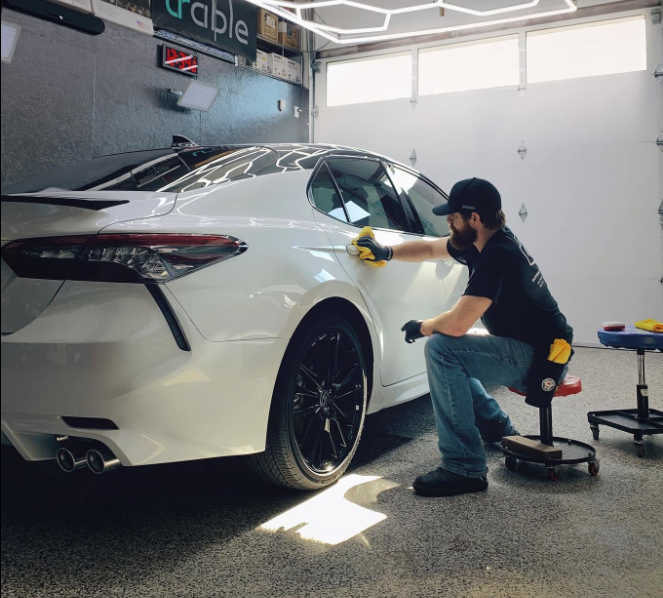
Professional installation is essential to getting the full benefit of either product. Ceramic coating requires meticulous prep: washing and drying, a clay bar to remove embedded contaminants, and polishing to smooth swirl marks before bonding. The coating is then applied evenly in a controlled environment to avoid dust and streaking.
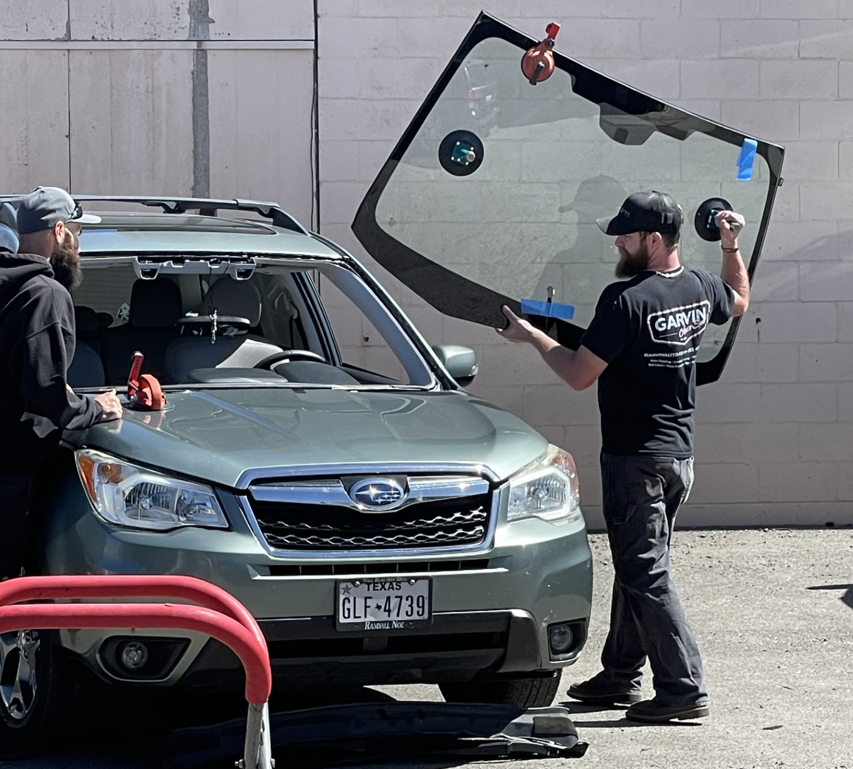
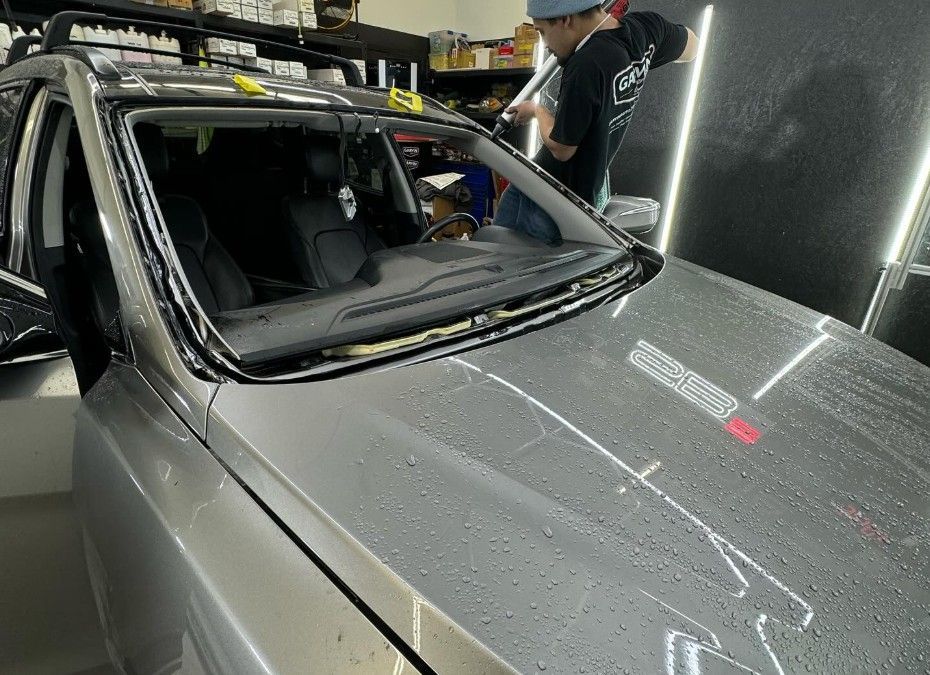
PPF installation demands a different but equally rigorous skill set. Because it is a physical urethane film, precise measuring, custom cutting, and careful placement are essential to fit every contour without wrinkles or bubbles. Our IDA-certified team at Garvin Auto Spa works across many vehicles here in McMinnville and throughout Yamhill County, where wet winters, road grime, and seasonal sun all take a toll on a finish. Proper installation delivers protection that looks flawless from day one and helps keep manufacturer warranty coverage valid.
Protect Your Vehicle With the Right Paint Protection Solution
Your vehicle deserves protection that matches how you drive. Whether you want the deep gloss and easy maintenance of ceramic coating, the impact resistance of paint protection film, or the ultimate combination of both, Garvin Auto Spa can help you choose the right solution.
Our IDA-certified technicians provide professional ceramic coating and PPF installation in McMinnville and throughout Yamhill County to help protect your vehicle’s finish from everyday wear, environmental damage, and road hazards.
Contact Garvin Auto Spa today at 503-472-4278 or schedule a consultation to find the best paint protection option for your vehicle!
FAQs
Which option provides better protection against scratches, chips, and environmental damage?
Paint protection film is the stronger choice. Its thick, self-healing barrier absorbs impacts, while ceramic coatings mainly fend off dirt and UV rays. For road debris and rock chips, PPF is the more durable option.
Can ceramic coating and paint protection film be used together effectively?
Yes, and it is one of the most effective approaches to car care. PPF handles heavy hits from rocks and debris, while ceramic coating adds a hydrophobic layer that keeps the vehicle glossy and easy to clean. Think of PPF as the armor and ceramic as the finishing layer.
How does the durability of ceramic coating compare to paint protection film?
PPF generally lasts longer, 5 to 7 years and premium films up to 10, thanks to its thick, self-healing layer. Ceramic coating typically lasts 2 to 5 years and is excellent at repelling water and resisting chemicals, though it offers less protection against physical damage.
How do ceramic coating and paint protection film differ in maintenance requirements?
Ceramic coating is lower-maintenance, needing gentle washing to keep its hydrophobic shine, but it cannot shield against physical damage. PPF calls for more attentive upkeep, including periodic inspections for scratches or peeling, since it absorbs impacts as a sacrificial layer.
Is PPF better than ceramic coating for new cars?
Yes, PPF is often the better choice for brand-new vehicles because it protects vulnerable areas from rock chips, road debris, and scratches before damage occurs. Many owners combine PPF with ceramic coating to preserve the factory finish while making maintenance easier.
Does ceramic coating make paint scratch-proof?
No, ceramic coating does not make your vehicle’s paint scratch-proof. It adds a harder protective layer that helps reduce minor swirl marks and surface contaminants, but it cannot prevent deep scratches, rock chips, or collision damage.
How long after applying PPF can you add ceramic coating?
Ceramic coating can typically be applied over PPF after the film has properly cured, often within a few days depending on the product and installation conditions. Applying ceramic coating over PPF enhances gloss, improves water repellency, and makes the film easier to maintain.
Which is more cost-effective: ceramic coating or PPF?
It depends on your protection goals. Ceramic coating is generally more affordable and provides excellent protection against UV rays, contaminants, and easier cleaning. PPF costs more but offers stronger protection against expensive paint repairs caused by rock chips and scratches.
Does PPF damage factory paint when removed?
When professionally installed and removed, high-quality PPF should not damage factory paint. Choosing an experienced installer is important because improper removal techniques can increase the risk of adhesive residue or paint damage.
Can ceramic coating protect against rock chips?
No, ceramic coating cannot stop rock chips. While it strengthens the surface against minor abrasions, it does not have the thickness or impact absorption needed to protect paint from flying debris.
Which areas of a vehicle benefit most from PPF?
The front bumper, hood, fenders, mirrors, rocker panels, and door edges are the areas most commonly protected with PPF because they receive the highest exposure to road debris, chips, and scratches.
Is ceramic coating worth it if my car already has PPF?
Yes. Ceramic coating adds another layer of protection by improving hydrophobicity, gloss, and ease of cleaning. It helps keep PPF cleaner and reduces the buildup of contaminants like dirt, bugs, and road grime.