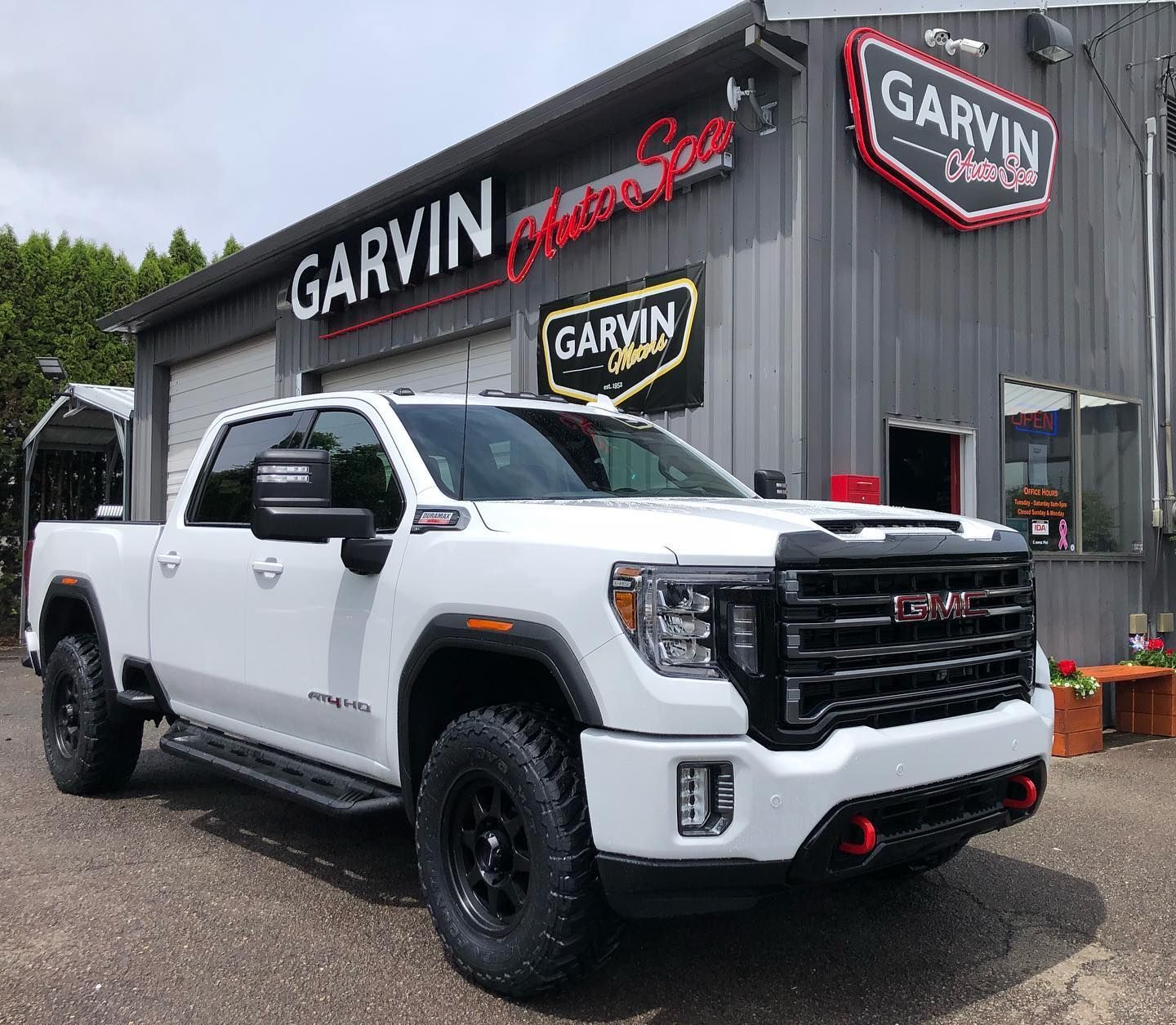
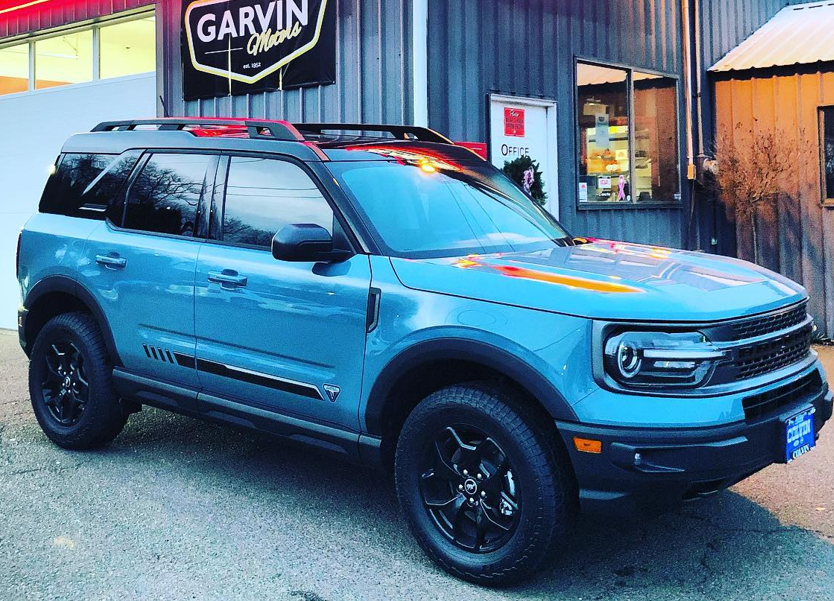
Yes, ceramic coating protects your car's painted surfaces from road salt, but only partly. A professionally applied coating forms a slick, chemical-resistant layer that keeps salt brine from bonding to your clear coat, reduces staining, and makes winter grime much easier to rinse off. It does not protect the undercarriage, frame, brake lines, or hidden cavities where most salt corrosion happens, and it cannot stop rock chips. At Garvin Auto Spa in McMinnville, we help Yamhill County drivers pair ceramic coating with the right washing routine and, when it makes sense, paint protection film.
How Ceramic Coating Protects Against Road Salt
Your clear coat looks smooth, but at a microscopic level it has tiny pores and divots where contaminants settle. A ceramic coating is a liquid polymer that fills those divots and bonds with the finish as it cures, leaving a hard, glass-like layer that acts as a sacrificial barrier. Salt, brine, and road film land on the coating instead of the clear coat underneath.
The slick, hydrophobic surface also gives chloride-laden spray less to grip. Water beads and sheets off, carrying grime with it, and what stays behind usually comes off with a rinse and a gentle wash. The result is fewer salt stains, less chemical etching on painted panels, and a little more time between a winter drive and a wash before damage sets in. Coated wheels and glass get the same easy-release benefit when they are included in your package.
Still, a ceramic coating is not a force field. It protects only the surfaces it was applied to, and the surfaces you can see are not where winter does its worst work.
Does Oregon Use Road Salt?
Many Oregonians assume the state does not salt its roads, and for years that was mostly true. The Oregon Department of Transportation (ODOT) has long relied on liquid magnesium chloride with a corrosion inhibitor, but in 2012 it began adding solid salt on select routes. During the January 2024 ice storm, ODOT spread nearly 4 million pounds of salt statewide, including about 1.3 million pounds in the region that covers the central Willamette Valley and North Coast.
Magnesium chloride creates its own problem in our climate. It attracts moisture and stays liquid at humidity levels where ordinary salt residue would dry out, and western Oregon stays damp most of the winter. That means chloride can cling to your car and keep working long after the storm passes, especially if you cross the Coast Range or head to the mountains for a ski weekend. Your painted panels can look fine while the underside quietly takes the hit.
Where Road Salt Causes Damage That Ceramic Coating Cannot Reach
A 2017 AAA survey estimated that rust damage from road salt and other deicers costs U.S. drivers more than $3 billion a year. Fifteen percent of drivers in winter-climate regions reported needing at least one deicer-related rust repair over the previous five years, at an average cost of $490 per repair. AAA also noted that this damage reaches critical parts like brake lines, fuel tanks, and exhaust systems, not just cosmetic surfaces.
Once salt meets moisture and oxygen, it speeds up oxidation on any exposed metal. Frame rails, suspension parts, brake and fuel lines, exhaust components, and the hidden cavities inside doors and rocker panels all take constant spray, and a paint coating covers none of them. Here is how protection breaks down across your vehicle.
| Vehicle Area | Does Ceramic Coating Protect It? | Better Protection |
|---|---|---|
| Painted panels (hood, roof, doors, fenders) | Yes, against salt staining and etching | Ceramic coating plus regular washing |
| Front bumper, hood edge, rocker panels | Partly, chemical resistance only | Paint protection film |
| Wheels | Yes, when the wheels are coated | Wheel coating and regular cleaning |
| Frame rails, subframes, suspension | No | Underbody washing and rust-proofing |
| Brake lines, fuel lines, exhaust | No | Underbody washing and routine inspection |
| Door seams, rocker cavities, drain holes | No | Clear drains and flush cavities |
The Limits of Ceramic Coating in Winter
It Cannot Stop Rock Chips
A ceramic coating is only a few microns thick. It resists chemicals well, but it cannot absorb gravel and sand thrown up by winter traffic. When a chip exposes bare metal, chloride reaches the steel directly, and corrosion can creep under the surrounding paint as a small rust bubble. By the time you notice it, the damage underneath has already progressed.
Lab Results Are Not Real Roads
Some coating makers publish salt-spray test results measured in hundreds of hours. Those tests use flat, sealed panels in a controlled chamber, and the hours do not translate directly into years of driving through slush, gravel, and freeze-thaw cycles.
Cold Weather Affects Application and Curing
Most coatings list a minimum application temperature, often around 50 degrees Fahrenheit, and cold, damp air slows curing and can weaken the bond. Getting your car coated in late summer or early fall gives the coating time to cure fully before wet, treated roads arrive.
How to Wash a Ceramic Coated Car in Winter
A coating makes washing easier, but it does not replace it. After each storm or stretch of treated roads, rinse the car as soon as temperatures allow, underside included.
Start with a plain-water rinse to knock off loose grit before a wash mitt touches the paint, since that grit is what grinds scratches into the finish. Then wash with a pH-neutral car shampoo, because strongly alkaline cleaners can break down a coating and shorten its life. Skip waxes and store-bought spray sealants too, since they can clog the coating and reduce its water-beading performance.
Touchless car washes are a trade-off. High-pressure jets remove brine without touching the paint, but many use strongly alkaline pre-soaks that wear a coating down with frequent use. Even so, a touchless wash beats leaving brine on the car for another week.
For the undercarriage, use a thorough, moderate-pressure flush rather than extreme pressure, which can drive water past seals and into electrical connectors. Keep the drain holes in your doors and rocker panels clear so water exits instead of pooling, and schedule a deliberate underbody flush in spring to remove the season's buildup.
Building a Layered Winter Protection Plan
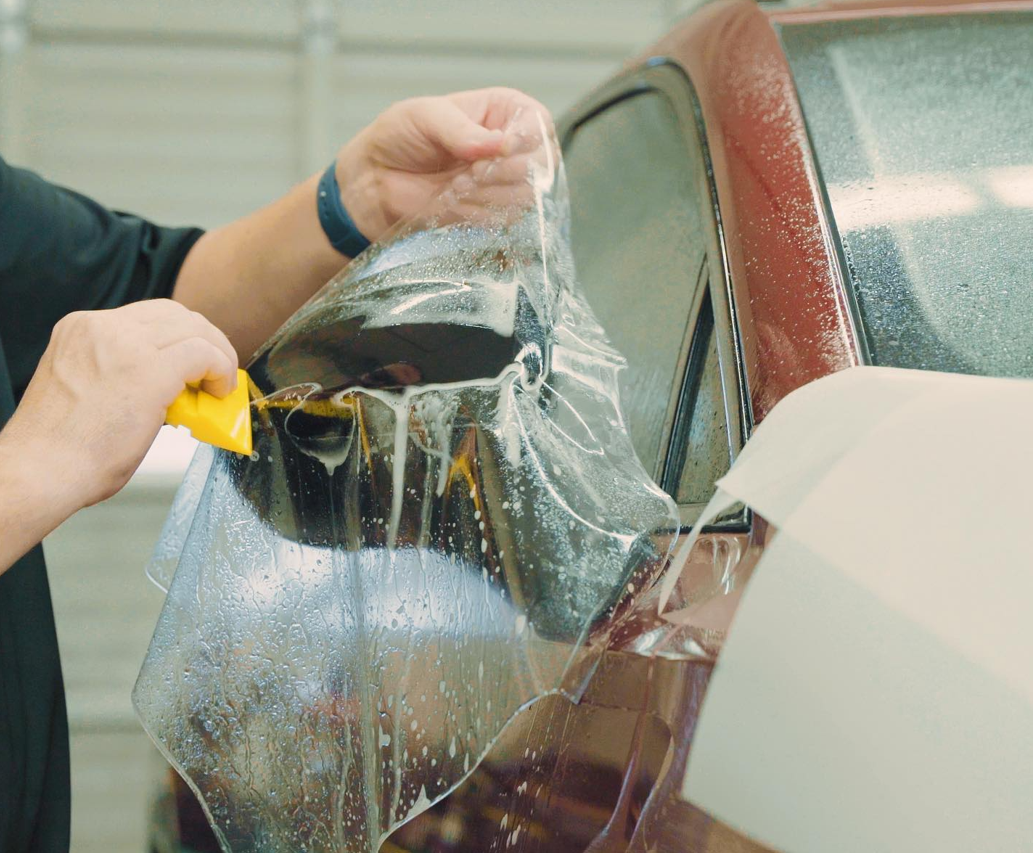
Ceramic coating works best as one part of a larger plan. For impacts a thin coating cannot absorb, paint protection film (PPF) adds a clear, self-healing thermoplastic urethane layer. We install LLumar VALOR film, designed to last about 12 years on average with proper maintenance. For winter driving, the zones that matter most are the front bumper, hood, front fenders, mirrors, rocker panels, and door edges, where salt, slush, and gravel hit hardest. Many owners coat the entire vehicle and add PPF to those areas for chemical and impact protection together.
For the underbody and enclosed cavities that neither coating nor film can reach, a dedicated rust-proofing or undercoating treatment is worth considering, especially for trucks and vehicles that regularly cross mountain passes. Washing helps, but it cannot reverse corrosion once it starts.
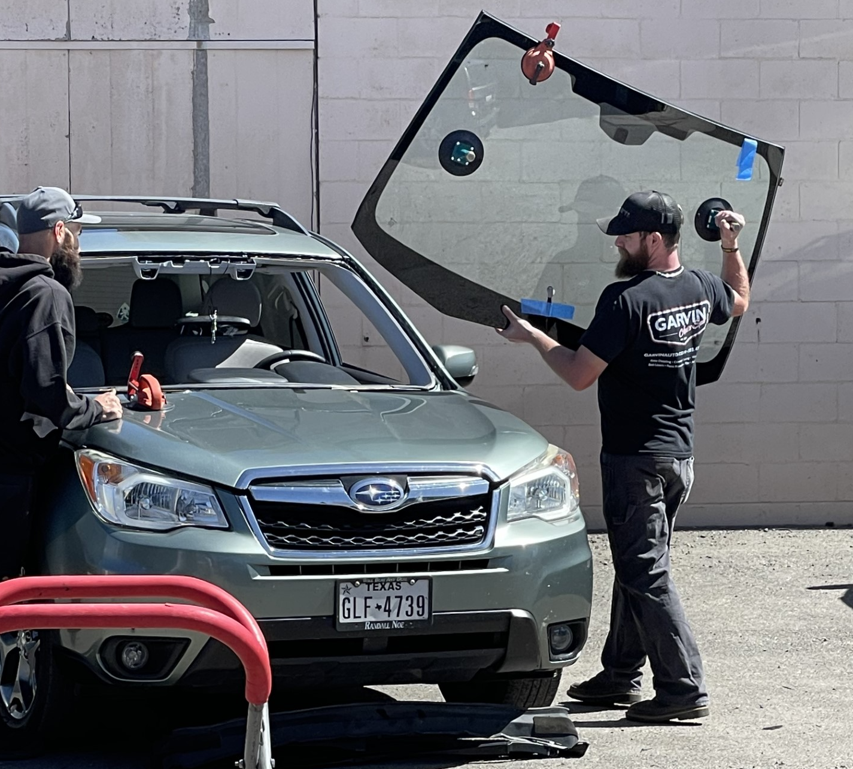
Before winter, walk around your car and look for paint chips that expose bare metal. Repairing them in the fall is a small job compared with a panel respray in the spring. Check your windshield too, since freezing nights and defroster heat can turn a small rock chip into a spreading crack. Our team also handles
glass rock chip repair.
Get Ahead of Winter with Garvin Auto Spa
Wet roads, magnesium chloride, and more salt than most drivers expect make Yamhill County winters tougher on vehicles than they look. The Garvin family has been part of the local automotive scene since 1952, and our McMinnville studio has been protecting vehicles since 2008. As an IDA-certified detailing shop and a LLumar Select Pro Dealer, we will give you an honest assessment of what your vehicle needs, whether that is a Daily Driver ceramic coating, PPF across your front end and rockers, or a combination built around how and where you drive.
Every ceramic coating package includes a free maintenance wash, so you are not on your own after you drive away. Request your free quote or call Garvin Auto Spa at 503-472-4278 to get protected before the next cold snap. Visit us at 1015 NE Highway 99W in McMinnville, Tuesday through Friday from 8 AM to 5 PM, with Saturdays by appointment.
Frequently Asked Questions
Does ceramic coating prevent rust on a car?
Not entirely. Ceramic coating helps protect painted body panels from salt staining and chemical etching, which lowers the chance of corrosion starting on intact paint. It does not cover the frame, underbody, brake lines, or exhaust, and it cannot seal a chip that exposes bare metal.
Is ceramic coating worth it for Oregon winters?
For most drivers, yes. Western Oregon's long wet season, magnesium chloride deicer, and growing use of road salt mean grime clings to paint for months. A coating makes that grime far easier to remove and helps preserve your finish and resale value, especially alongside regular washing and PPF on high-impact areas.
How long does a ceramic coating last?
It depends on the number of layers, how the car is driven, and how it is maintained. Our packages are rated for 3, 5, or 7 years, from the single-layer Daily Driver to the tri-layer Connoisseur. Frequent harsh washes and neglected salt buildup shorten any coating's life.
Can ceramic coating be applied in winter?
It can, but cold, damp weather slows bonding and curing. Scheduling in late summer or early fall is the simplest way to have the coating fully cured before treated roads arrive.
How often should I wash a ceramic coated car in winter?
Wash after each storm or stretch of driving on treated roads, as soon as temperatures allow, and always include an underbody rinse. A coating buys you a little time, but brine left on the car for weeks still does damage.
Is paint protection film better than ceramic coating for winter?
They do different jobs. PPF is a thick, self-healing film that absorbs impacts from gravel and sand, while ceramic coating is a thin layer that resists chemicals and makes cleaning easier. For winter, the strongest setup is PPF on the front end and rocker panels with ceramic coating over the rest of the vehicle.
Should I wax my ceramic coated car before winter?
No. Wax and store-bought spray sealants can clog a ceramic coating and reduce its water-beading performance. A pH-neutral wash and regular rinsing are all a coated car needs.