Buying a brand new car is exciting, and many owners want to keep that fresh look for as long as possible. One popular way people protect their paint is with a ceramic coating, but is it really necessary, or just a nice extra?
Ceramic coating on new cars is generally considered an optional enhancement rather than a necessity. It offers superior protection against UV rays, chemical stains, and minor abrasions compared to traditional waxing, but its benefits are most noticeable when paired with regular maintenance like hand washing. Owners who prioritize appearance and long term preservation often find it worthwhile, while those less committed to upkeep may not see enough value to justify the cost.
The Basics of Ceramic Coating
Ceramic coating is a liquid polymer that bonds at a molecular level to a car's paint, forming a semi permanent, glass like layer that penetrates microscopic pores waxes and sealants cannot reach, creating a barrier against UV rays, chemical stains, and road grime.
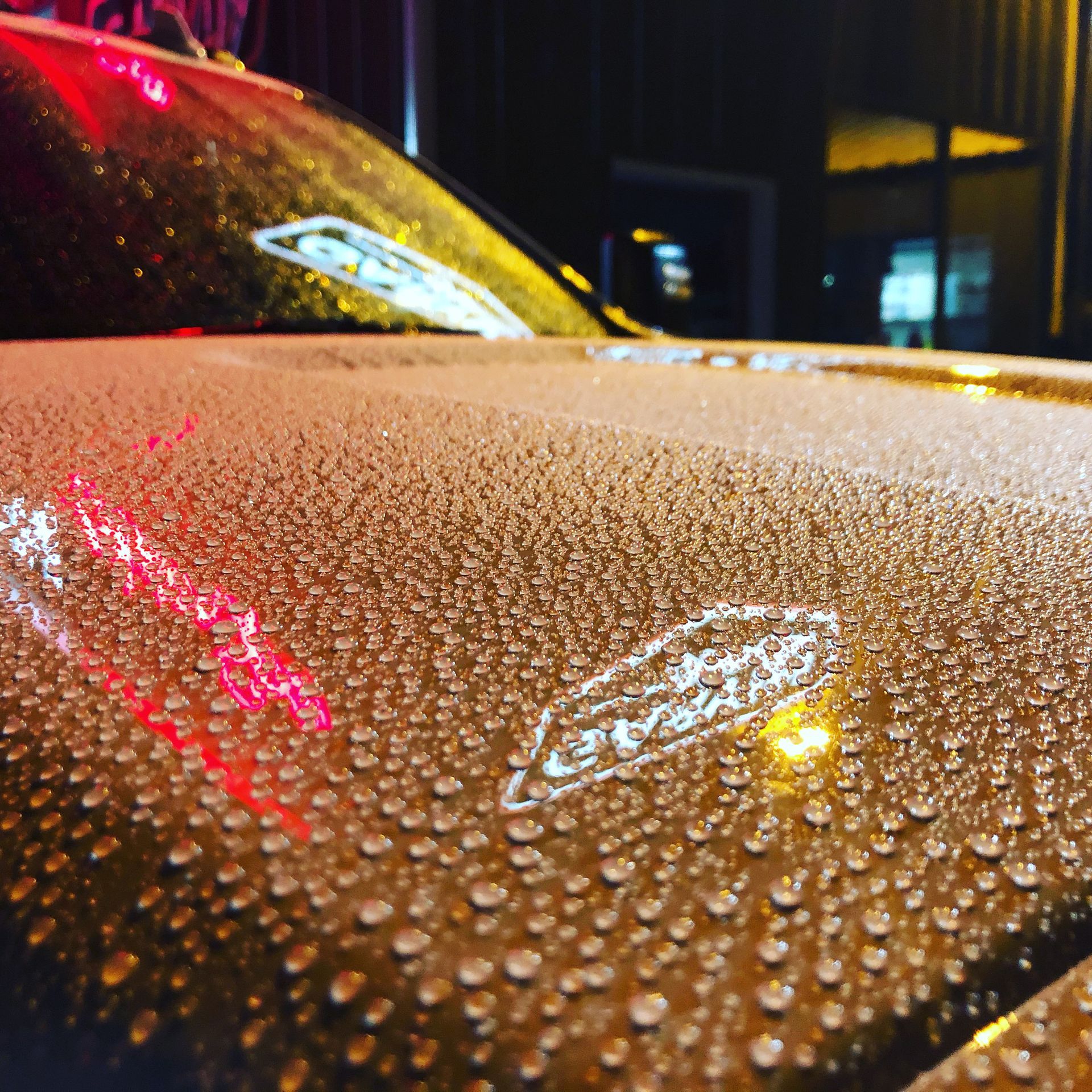
The coating creates a hydrophobic surface, so water beads and rolls off almost instantly, keeping the car cleaner and washing easier. It offers better scratch resistance than wax, with a Mohs hardness rating typically between 7 and 9 compared to roughly 2 to 3 for standard clear coats, and unlike wax, which wears off within weeks, a professional coating typically lasts two to five years.
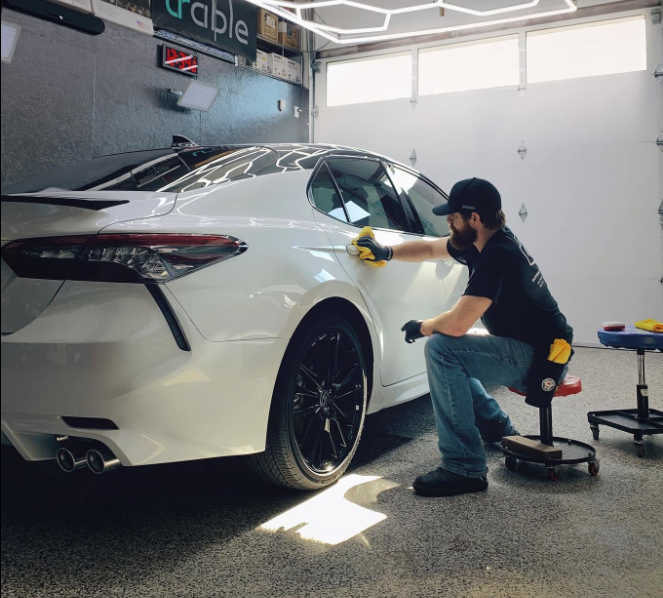
Application is more involved than a quick wash, since professionals spend several hours preparing the surface and coatings lock in existing flaws such as swirl marks, which is why many detailers recommend waiting a year or two after purchase before applying it. Durability also depends on regular hand washing with pH neutral soap, since neglecting this can reduce hydrophobic performance and gloss over time, a point echoed often by owners on detailing forums.
| Feature | Ceramic Coating | Traditional Wax |
|---|---|---|
| Protection Duration | 2 to 5 years (professional) | Few weeks to months |
| Hardness (Mohs Scale) | 7 to 9 | 2 to 3 |
| Water Repellency | Excellent | Moderate |
| Maintenance | Regular hand washing | Frequent reapplication |
| Application Time | 4 to 8 hours | Under 1 hour |
At Garvin Auto Spa, we understand these nuances and aim to offer honest recommendations about when ceramic coating makes sense, along with expert application for lasting results. Ceramic coating remains optional, not mandatory, but it offers real benefits for owners willing to maintain it.
Benefits for New Vehicles
According to the Auto Care Association, a growing number of new car buyers are choosing ceramic coatings to preserve their investment and maintain their vehicle's appearance longer.
One standout benefit is protection from UV damage, since even brand new paint is vulnerable to sun exposure that gradually causes fading and oxidation. Ceramic coatings can block up to 70% of UV induced damage in the first year, keeping paint vibrant.
Hydrophobicity reduces dirt and grime buildup and makes routine washing easier, which is especially useful for new cars exposed to road salt, bird droppings, and pollen.
Durability is where ceramic coatings really stand apart from wax, which typically lasts four to six weeks, while a quality coating can last two to five years with regular hand washes using pH neutral soap. There is an upfront cost to consider, with professional applications typically ranging from $500 to $1,500, though many owners find this worthwhile against the potential cost of paint correction or premature repainting from fading or damage.
Comparing to Other Protection Methods
Wax has been a go to option for decades, prized for its warm, glossy finish, but that finish fades within three to four months, requiring frequent reapplication. Paint sealants offer a more modern alternative, providing improved UV resistance for six months to a year, though they still need regular upkeep.
Ceramic coatings offer a striking leap in longevity compared to both. Rather than sitting on top of the paint as a sacrificial layer, the coating chemically bonds with the clear coat to form a durable shell that resists UV rays, contaminants, and minor chemical etching, while boosting gloss.
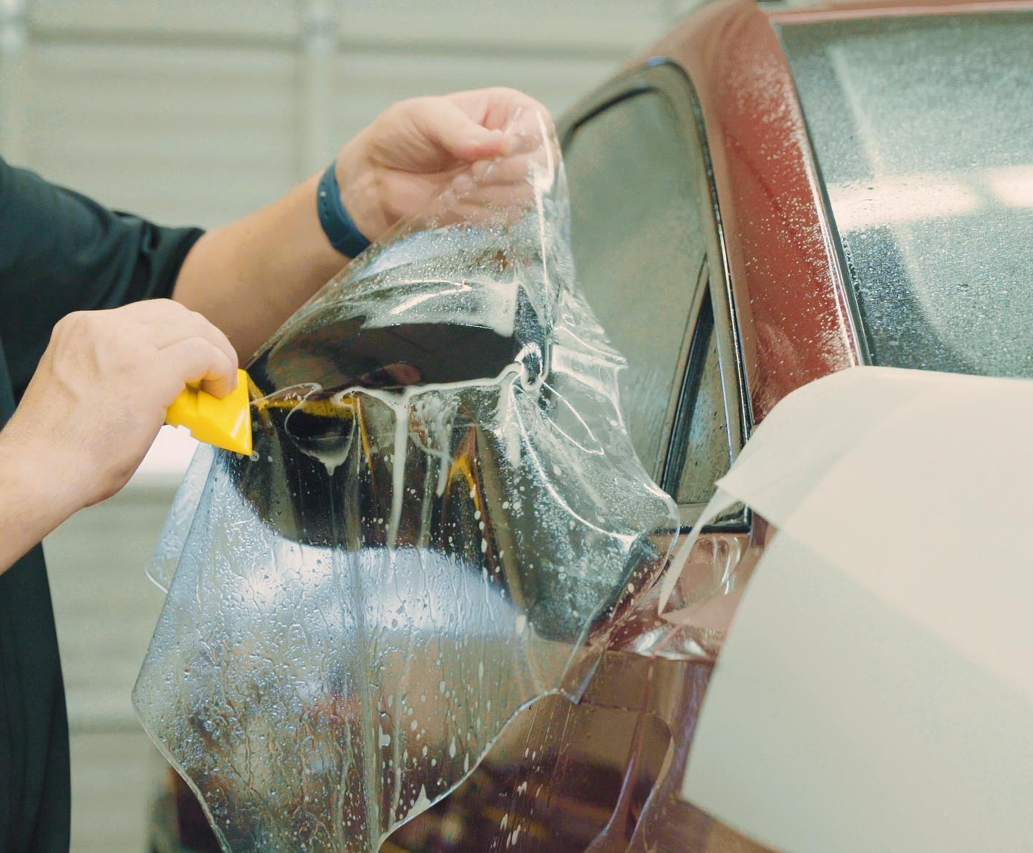
Ceramic coatings do not protect against rock chips or scratches. For physical protection, especially on bumpers, mirrors, or hoods, Paint Protection Film, or PPF, remains the better option, since it absorbs impacts and can even self heal minor scratches. Coating and PPF are often used together, with PPF shielding high impact areas while the coating handles the rest of the vehicle, an approach increasingly recommended by professionals at Garvin Auto Spa for long term protection.
Cost Breakdown and Value
For a new vehicle such as a 2026 Honda Passport, professional paint protection alone often runs around $1,000 to $1,100, particularly for three layers of quality IGL ceramic coating with a lifetime warranty. This can feel steep compared to wax or sealants, but the price reflects skilled labor, precise surface preparation, and multi layer application designed to bond chemically with the paint, with the annual cost becoming reasonable once spread across two to five years of protection.
Pricing is not always fixed, since quotes can increase once details like additional layers or extras such as trim, wheels, or windshield coatings are discussed. As one Garvin Auto Spa client put it, ceramic coating is less about necessity for a brand new vehicle and more about peace of mind and a longer lasting appearance. Before committing, confirm whether paint correction is included, which surfaces will be coated, and that warranty terms meet your expectations.
Evaluating Necessity for Your Vehicle
Not every owner needs to rush into ceramic coating right after bringing a new car home. Whether it is a must have or simply a nice to have depends on driving habits, parking situation, and willingness to maintain the coating.
Cars regularly parked outdoors face more exposure to UV rays, acid rain, bird droppings, tree sap, and road salt, making ceramic coating a smart shield for these vehicles. High mileage drivers or those who frequently travel gravel roads also benefit from the added scratch resistance, and luxury vehicles often justify the investment as part of preserving resale value, though budget friendly models can benefit too.
Be honest about washing habits, since the coating depends on monthly hand washing with proper soap to remain effective, and keep in mind that it is not a guarantee against deep scratches, which still require professional touch up. As one experienced detailer put it, ceramic coatings work best for owners committed to keeping their car clean and polished regularly, while wax remains a simpler option for everyone else.
User Experiences and Maintenance Tips
Many owners value ceramic coating for how much it simplifies routine care. One Reddit user shared that two years after a DIY application, their car still looks freshly detailed with nothing more than gentle washing.
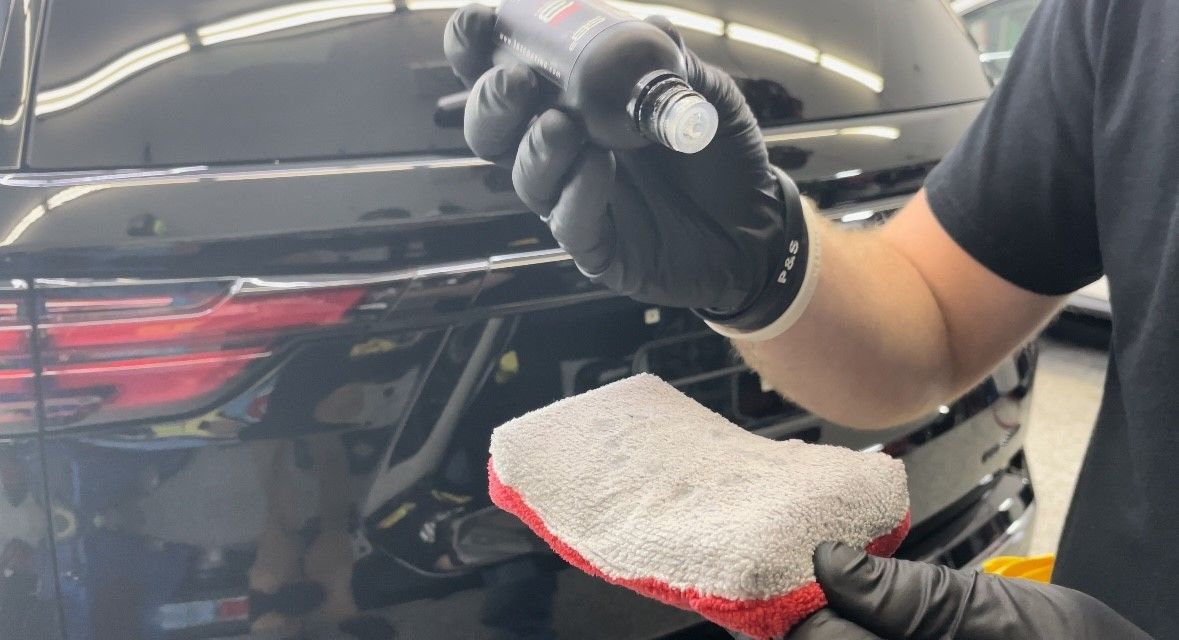
The coating is not entirely hands off, though. Best practice is to use a pH neutral car wash soap, since harsh detergents can degrade the coating, and to avoid abrasive scrubbing tools in favor of soft microfiber towels. Periodically inspecting the surface for wear also helps, since touch up sprays can refresh worn spots without a full reapplication, and keeping the vehicle sheltered from dust or rain shortly after application helps the polymer bond tightly to the paint.
Ultimately, ceramic coatings offer excellent protection against scratches, UV rays, and chemical stains, but their practicality depends on the time and care an owner is willing to give afterward. If consistent maintenance sounds manageable, ceramic coating offers a strong blend of durability and ease of use. If not, simpler options may suit you better.
Protect That “Brand New” Shine for Years, Not Months
Your new car already looks perfect, but keeping it that way takes more than regular washing. Car ceramic coating is an optional upgrade that helps protect paint from UV rays, stains, and everyday wear while making cleaning much easier.
At Garvin Auto Spa, we help new car owners choose the right level of protection based on driving habits and maintenance goals. When it makes sense, we apply professional-grade ceramic coatings designed for long-lasting gloss and durability.
Call
503 472 4278 or
schedule a consultation to see if ceramic coating is the right choice for your new vehicle.
FAQs
How does ceramic coating compare to traditional waxing or paint sealants?
Ceramic coating offers a much tougher, longer lasting shield than wax or sealants, with stronger resistance to scratches, UV rays, and chemicals. Wax may last four to six weeks, while ceramic coatings can protect for two to five years.
Are there any potential drawbacks or maintenance requirements for ceramic coated cars?
Maintenance is still essential. Ceramic coatings require periodic washing with pH neutral shampoo to preserve their hydrophobic properties, and improper application can cause uneven surfaces or water spots. Most coated cars still benefit from detailing every six to twelve months.
What are the main benefits of applying ceramic coating to a new car?
Ceramic coating provides a glossy, hydrophobic shield that repels dirt, water, and UV rays, helping maintain a fresh off the lot shine considerably longer than untreated paint, while also making cleaning easier.
What is the typical lifespan of ceramic coating on a vehicle?
Ceramic coating typically lasts two to five years depending on product quality and maintenance habits, with high end coatings lasting up to seven years. Gentle washing and avoiding harsh chemicals can extend its protective qualities.