How Auto PPF Thickness Affects Real-World Protection: Benefits and Comparison
When it comes to protecting your car's paint, PPF thickness is a detail that often goes unnoticed but carries significant consequences. Even a slight change in measurement can determine how well your vehicle stands up to scratches, rock chips, and prolonged sun damage over years of daily driving. Choosing the right thickness is not just about maximizing defense; it is about finding the right balance between durability, appearance, and long-term value. Whether you drive a luxury sedan, a daily commuter, or a rugged off-road vehicle, understanding how film thickness translates to real-world performance is essential before making a protection decision. Below, we break down why thickness matters, what it means for everyday drivers, and how it affects both protection and aesthetics.
Auto PPF thickness directly influences the level of protection your vehicle receives. Thicker films (typically 8 to 10 mils) provide superior defense against chips, dents, and UV damage compared to thinner options. While thicker PPF offers enhanced durability and impact resistance for long-term paint preservation, it may require expert installation to ensure a seamless appearance.
Understanding PPF Thickness
Paint Protection Film thickness, measured in mils (thousandths of an inch), directly influences how well the film defends your vehicle's paint from everyday hazards. The standard range runs from 6 to 10 mils. While this seems like a minor difference, it translates into significant variation in durability and impact resistance.
Thicker films, such as those around 10 mils, provide substantially increased resistance to rock chips, scratches, dents, and environmental pollutants like UV rays and road salts. The added density allows these films to endure more abuse before requiring replacement, which extends your vehicle's pristine appearance. Studies and abrasion tests show that increasing film thickness from 6 to 10 mils can boost scratch resistance by nearly 40% and reduce paint damage rates by up to 30 to 50% compared to thinner alternatives.
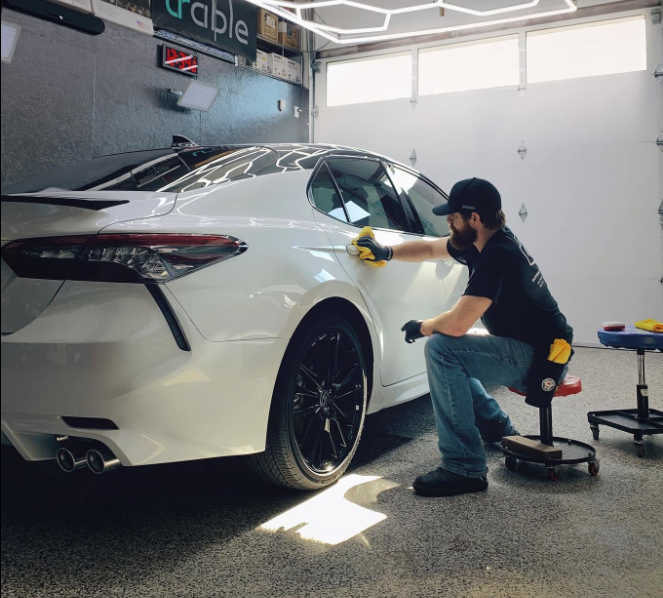
That said, thicker films do present installation challenges. Their rigidity makes conforming around tight curves and complex body shapes more demanding. Subtle edges or seams may appear on high-gloss or dark finishes if not applied with precision. Expert installation, such as what Garvin Auto Spa provides, mitigates these concerns and ensures robust protection alongside a near-invisible finish.
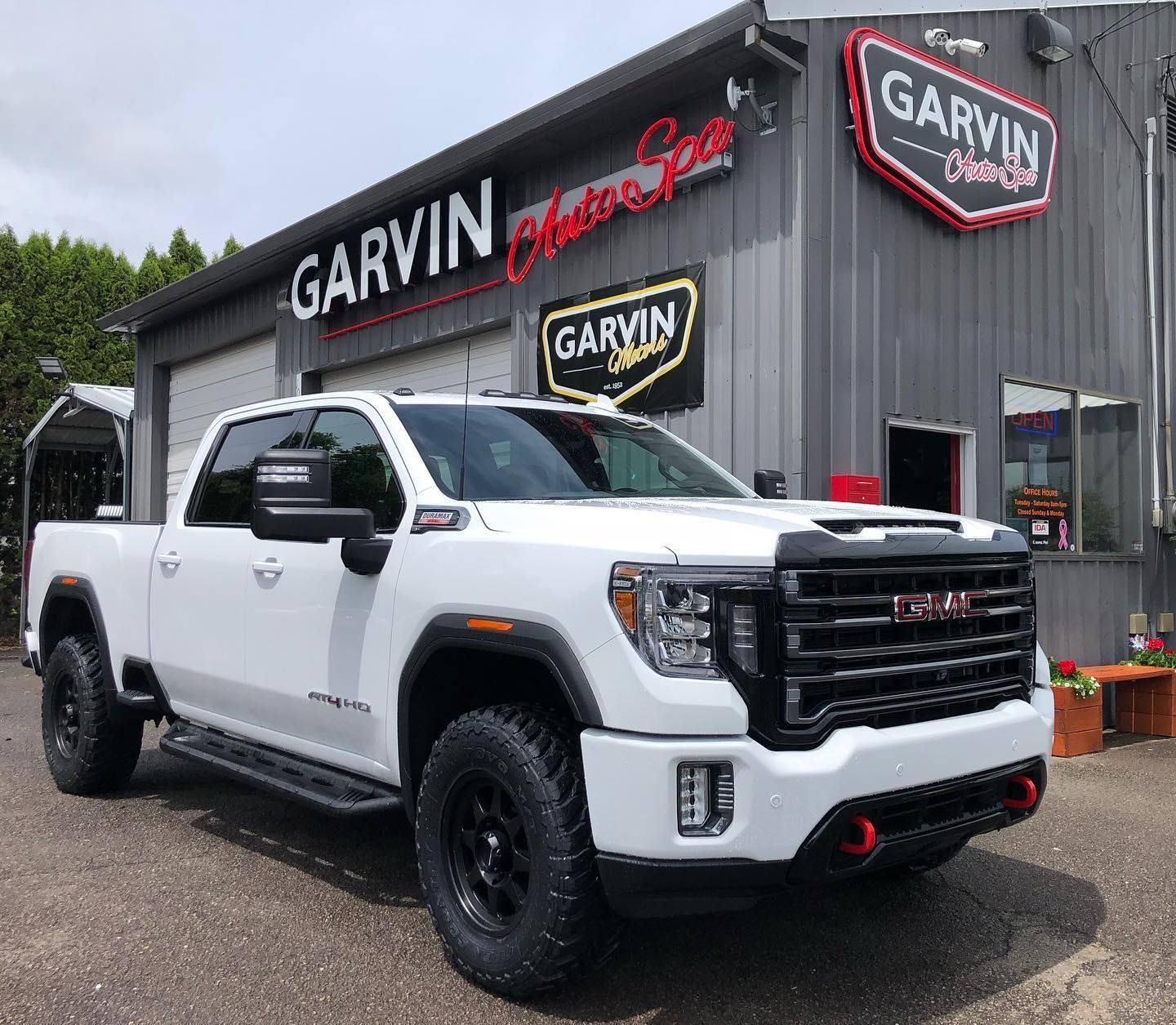
For daily urban drivers with moderate debris exposure, an 8 mil film strikes an excellent balance: durable enough for solid defense without overly compromising installability. Trucks or vehicles regularly on gravel roads benefit from 10 mil or thicker options where maximum protection outweighs minor cosmetic trade-offs.
| Factor | Impact on Protection and Appearance |
|---|---|
| Thickness (6-10 mil) | Directly affects impact resistance and longevity |
| Self-Healing Layer | Enables minor scratches to disappear over minutes/hours |
| Adhesion Quality | Ensures film stays firmly attached under harsh conditions |
| Installer Skill | Dictates smoothness, edge concealment, and overall look |
Layer Composition and What It Means for Protection
PPF is not a single sheet of plastic but a carefully engineered multilayer system. Each layer performs a specific role in guarding your vehicle's paint against damage.
The topcoat provides scratch and stain resistance and is often embedded with self-healing properties that allow minor abrasions to disappear when exposed to heat or sunlight. Beneath it, the clear coat absorbs UV radiation to prevent fading and yellowing. The base film, typically made of polyurethane, forms the bulk of the PPF's thickness and acts as the main barrier against chips and dents from road debris. The adhesive layer bonds the film to your vehicle without damaging paint upon removal, while the release liner protects the adhesive until application.
Importantly, self-healing topcoats require at least about 1.5 mils of thickness to function effectively. A thin film lacking a proper topcoat may look smooth initially but will not repair itself after minor abrasions, leading to a deteriorating appearance much sooner. Thicker clear coats with UV inhibitors also guard better against discoloration over years of sun exposure. This is why balancing layer thicknesses directly impacts both protection level and long-term appearance, and why investing in quality films from reputable providers pays off over the life of your vehicle.
Comparing Thickness Levels
The most common PPF options range from 6 to 10 mils, and each tier serves a distinct purpose based on driving conditions and protection needs.
The 6 mil film is ideal for city driving. It is incredibly flexible and virtually disappears on paintwork, offering adequate scratch resistance for urban environments. However, on rougher roads or highways it wears out faster, as it absorbs less impact energy and has limited self-healing capability for deeper scratches.
The 8 mil film has become the golden standard across many markets, striking an ideal balance between strong defense and aesthetic invisibility. It offers strong resistance to high-speed rock chips without noticeably altering the look or feel of your car's finish. Its flexibility allows installers to conform it well around complex curves without risking edge lifting, making it the preferred choice for daily drivers and premium vehicles.
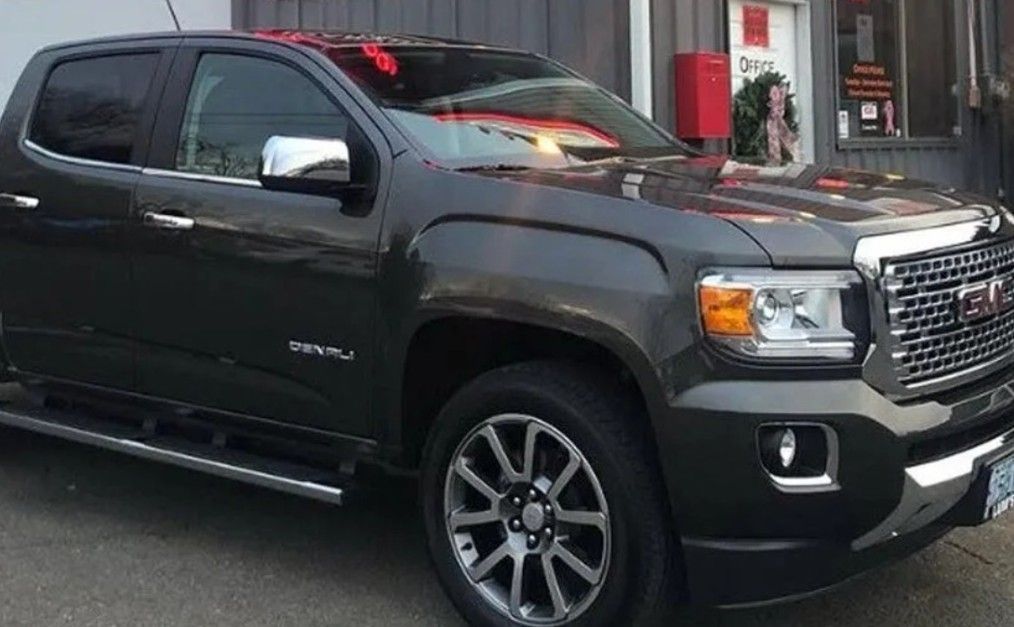
The 10 mil film represents heavy-duty protection tailored for rugged terrain, off-roading, or maximum long-term durability. It withstands extreme debris impact that thinner films may not handle. However, the added stiffness demands highly skilled professionals during installation, as poor application risks bubbles or peeling edges, particularly on vehicles with intricate body lines.
| Thickness Level | Protection Level | Installation Difficulty | Best Use Case |
|---|---|---|---|
| 6 Mil | Basic scratch and mark resistance | Very easy | City driving and budget-conscious buyers |
| 8 Mil | High stone chip and scratch resistance | Moderate | Daily highway use and premium cars |
| 10 Mil | Extreme debris and abrasion resistance | Difficult (expert needed) | Off-road and heavy impact environments |
UV and Environmental Defense
Ultraviolet radiation is relentless, gradually breaking down automotive paint and leading to fading, discoloration, and a dull finish. Thicker PPF films are engineered with multiple specialized layers that absorb and scatter UV light before it ever reaches the vehicle's paint, reducing heat buildup and slowing the degradation process significantly.
A PPF film of 8 mils or thicker acts much like high-quality sunscreen for your vehicle's surface. Films approaching 12 mils in thickness can reduce UV penetration by nearly half compared to thinner options, transmitting as little as 2 to 3% of sun rays versus 5 to 7% in 6 mil films. Research indicates that vehicles protected with thicker PPF experience up to 40% less paint fading over five years compared to unprotected counterparts, resulting in better resale value and reduced need for costly repaints.
Beyond UV filtering, added thickness also guards against airborne debris including dust, sand, tree sap, and road grime. Heavier films provide more cushion against small rocks and gravel picked up at highway speeds, preventing gouges that expose vulnerable paint and lead to rust. For drivers in sun-heavy regions or environments with frequent debris encounters, an 8 mil or thicker film will deliver tangible benefits in both aesthetic preservation and surface safety. Pairing this film with a ceramic coating adds a hydrophobic layer that makes cleaning easier and further enhances resistance to staining and contamination buildup.
Application Techniques and the Role of Installer Skill
Even the best PPF delivers subpar results without proper installation. Every step from surface preparation to final curing influences how well the film performs against scratches, chips, and weathering.
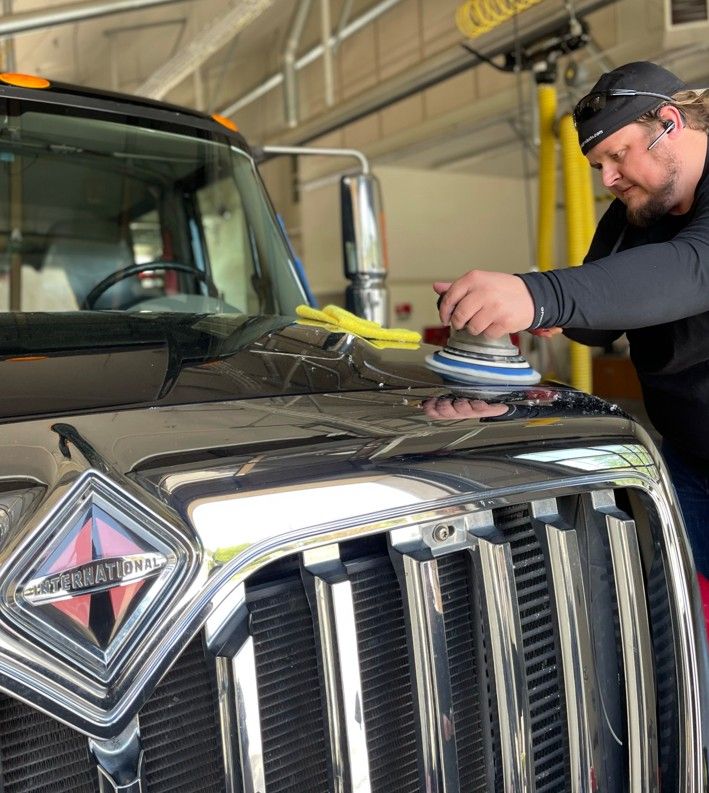
Preparation begins with thorough cleaning. Any dirt or residue beneath the film causes bubbles, lifting edges, or even paint damage. At Garvin Auto Spa, technicians use clay bars to decontaminate the surface, polish out imperfections, and wipe down with isopropyl alcohol to eliminate oils that affect adhesion strength.
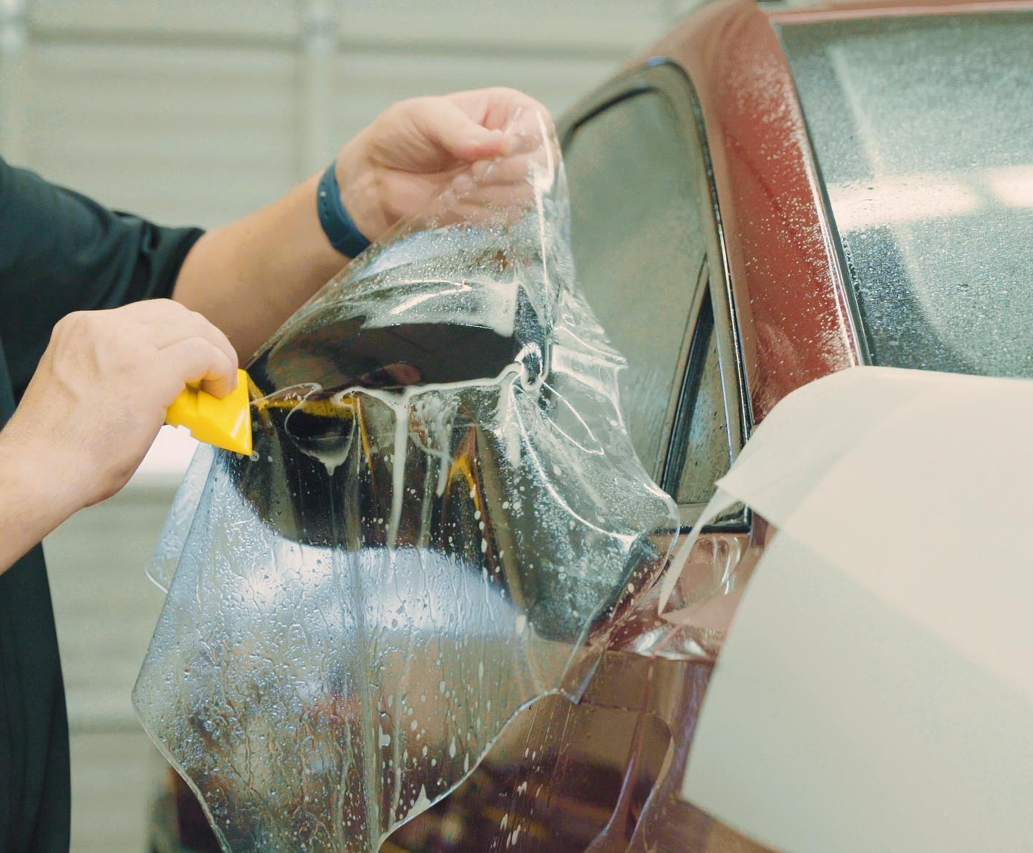
Cutting and measuring PPF requires exactitude, whether using laser-cut kits tailored to specific vehicle models or cutting bulk rolls by hand. Overstretching during installation degrades the film's molecular structure and creates weak spots prone to premature failure. The placement process involves a soap and water lubricant spray for repositioning, followed by careful squeegeeing to remove bubbles and ensure a lasting bond, then heat application to cure adhesives and conform the film around curves and edges.
Edge treatment deserves special attention. Properly tucking and wrapping edges under seams dramatically reduces peeling risk, as exposed edges face daily friction and moisture. Most film failures originate at edges because they are the first point of contact with environmental stresses. Professional installation, like what Garvin Auto Spa offers, delivers superior results along with warranties that protect your investment and give you confidence in long-term performance.
Selecting the Right PPF for Your Vehicle
Choosing the ideal PPF involves understanding your vehicle's purpose, environment, and budget. For luxury vehicles where paint perfection is paramount, higher-end thicker films offer superior clarity, self-healing properties, and resistance to yellowing over time. For long-distance highway drivers or those navigating rougher terrain, proven brands like XPEL offer durable performance with heat-assisted conforming that simplifies installation on complex body panels.
Climate plays a pivotal role as well. Drivers in sun-drenched regions benefit greatly from thicker films with added UV inhibitors, which slow sun damage while maintaining optical clarity. Budget-conscious buyers should explore options like Optek, which provides professional-grade adhesion and protection at a significantly reduced cost per roll compared to premium brands, without sacrificing core performance.
One critical insight often overlooked is that ease of installation affects final protection quality even more than nominal thickness. A high-density film applied incorrectly will trap air, stretch unevenly, and wear prematurely. Installers also weigh factors like your vehicle's body contours, climate exposure, and typical driving speeds when recommending the right product grade. This underscores the value of working with skilled professionals who understand the specific characteristics of the film you select and can provide warranties that stand behind their work.
| Key Factor | Considerations |
|---|---|
| Vehicle Type | Luxury sedans needing flawless finishes vs. rugged SUVs |
| Driving Habits | Highway drivers value durable topcoats; city drivers prefer clarity |
| Climate Conditions | UV-heavy zones require specialized UV-blocking films |
| Budget | Options exist balancing durability and cost-effectiveness |
Get the Right PPF Thickness for Maximum Protection
Choosing the right PPF thickness is critical to how well your vehicle holds up against rock chips, scratches, and daily wear. The right balance of durability and finish depends on your driving habits, environment, and vehicle type.
At Garvin Auto Spa, we help you select the ideal film thickness and install it with precision to ensure long-lasting protection without compromising appearance.
Call us at 503-472-4278 to schedule a consultation online for expert recommendations tailored to your vehicle.
FAQs About PPF Thickness
Does thicker PPF always provide better protection?
Generally, yes. Thicker PPF (8–10 mil) offers better resistance against rock chips, scratches, and debris. However, overall performance also depends on film quality, self-healing properties, and proper installation.
What is the best PPF thickness for daily driving?
An 8 mil PPF is considered the best balance for most drivers. It provides strong protection against road debris while maintaining flexibility for a clean, nearly invisible finish.
Is 10 mil PPF too thick for most vehicles?
Not necessarily, but it is typically recommended for high-impact use such as off-road driving or frequent highway travel. It requires expert installation to avoid visible edges or lifting.
Does PPF thickness affect appearance?
Yes. Thicker films can be slightly more noticeable, especially on darker or high-gloss finishes. Professional installation helps maintain a smooth and seamless look regardless of thickness.
How long does thicker PPF last compared to thinner films?
Thicker PPF generally lasts longer because it can absorb more wear and damage. High-quality films can last up to 7–10 years with proper care and maintenance.
Does thicker PPF improve scratch resistance?
Yes. Increasing thickness improves scratch and abrasion resistance. Many studies show thicker films can improve scratch resistance by up to 40% compared to thinner options.
Can thicker PPF still self-heal from scratches?
Yes, as long as the film includes a quality self-healing topcoat. Thickness alone does not guarantee self-healing - the top layer technology is what enables this feature.
Is thicker PPF harder to install?
Yes. Thicker films are less flexible and more difficult to apply around curves and edges. This makes professional installation essential for proper fit and long-term performance.