When to Repair vs Replace a Windshield: Decision Guide for Oregon Drivers

December 2, 2025
GET A QUOTE

If you've ever been surprised by a crack or chip on your windshield, you're not alone. Figuring out whether to repair it or replace the whole glass can feel confusing. It's not just about looks; the choice matters for your safety, your wallet, and even following Oregon's driving rules. This guide breaks down what you need to know so you can make a smart call that keeps your view clear and your trips trouble-free.


In Oregon, the decision between windshield repair and replacement depends on the size, location, and severity of the damage. Small chips and cracks less than six inches, especially those not in the driver's line of sight, are typically repaired to save cost and time. However, larger cracks or damage that impairs visibility will require full windshield replacement to ensure safety and compliance with state regulations.


Comparing Windshield Repair and Replacement


Windshield repair works best for small chips or short cracks, usually anything smaller than a dollar bill. These flaws may look minor, but they can spread quickly if ignored. Repair involves injecting resin into the damaged spot to restore clarity and strength, and it is fast, affordable, and often finished in about 30 minutes.

Replacement becomes necessary when damage is large, reaches the driver’s line of sight, or affects structural strength. Oregon law requires unobstructed visibility, so any crack that interferes with your view must be replaced to avoid fines or failed inspections.


Damage size, type, and location guide the decision. Chips under three inches often repair well, while long cracks, star breaks, and edge cracks usually need full replacement. Repair costs typically range from 50 to 150 dollars, while replacements start around 300 dollars and can exceed 1,000 dollars for vehicles with advanced sensors.


Insurance often covers repairs and sometimes replacements, so checking your policy helps avoid surprise costs. Repairs can extend the life of your windshield, though the treated area may remain slightly weaker than untouched glass. Replacement restores full strength but takes more time and may require sensor recalibration.


Legal Requirements for Oregon Drivers


Oregon's regulations make it clear: your windshield must be free of damage that obstructs your view while driving. The law isn't concerned with every little chip or scratch; it zeroes in on impairments that actually interfere with your ability to see the road clearly. For drivers, this means taking any cracks or chips seriously when they fall within critical areas, especially the space directly in front of the driver's seat.


Specifically, any crack or blemish within the driver's field of vision is considered a safety risk and, therefore, illegal. This field typically covers the area swept by your wiper blades plus peripheral vision zones crucial for spotting traffic signs and hazards. Since these are the visual lines you rely on every second behind the wheel, Oregon expects them to be as unobstructed as possible. A common misconception is that small cracks aren't a problem, but even a narrow crack running through this zone can scatter light or create distracting reflections, reducing your reaction time.


Moving beyond cracks, chips larger than one inch anywhere on the windshield will cause a vehicle to fail the state's safety inspection. This stipulation is designed to catch potentially dangerous weak spots before they grow into more severe issues such as shattered glass or rapid crack spreading. It also protects drivers from insurance complications since an inspected vehicle with significant damage might be flagged during claims processing.


There's a practical side to these laws as well: driving with a damaged or illegal windshield carries tangible consequences. You could face fines, citations, or even forced repairs during a roadside stop or vehicle inspection. Some drivers don't realize their windshield damage violates Oregon state law until they're pulled over or their car fails inspection. Beyond just legal trouble, an impaired windshield increases accident risk not only for you but for everyone else on the road.


Key Legal Conditions for Windshield Safety

Driving with windshield damage carries important legal and safety implications. Cracks in the driver’s field of vision must be repaired promptly because they obstruct visibility and can compromise safe driving. A chip larger than one inch can cause a failed safety inspection, as it may lead to structural weakness in the glass. Additionally, driving with illegal damage can result in fines or citations, reinforcing the need to maintain a safe and compliant vehicle. Together, these conditions help ensure clear visibility, prevent further windshield deterioration, and support overall public safety.


Knowing these legal criteria equips you to spot serious issues early. The next step is understanding how to evaluate windshield damage effectively to decide between repair or replacement.


Assessing Windshield Damage


Not every crack or chip on your windshield spells disaster. Some damage is minor and easily fixed, while other times, it signals the need for a full replacement. Knowing how to assess the type and severity of the damage is fundamental for making the right choice about repair or replacement.


Types of Damage


The shape and size of the damage tell a lot about both its cause and potential risk. One common form is a bullseye, which looks like a small circular mark where something round struck the glass directly. These are often isolated impact points and generally straightforward to repair if caught early.


Then there's the star break, characterized by several cracks radiating out from a central point. Imagine spokes on a tiny wheel. These can quickly spread if ignored, meaning timing is crucial to prevent more expensive repairs.


Longer cracks measuring over six inches are particularly problematic. Because they extend across a larger section of glass, these long cracks almost always require replacing the entire windshield rather than patching up parts.


Occasionally, you'll encounter combination breaks, which mix different types. Perhaps a bullseye surrounded by multiple star cracks. These are especially tricky since they affect various stress points in the glass and typically lean toward replacement recommendations.


Determining Severity


Simply knowing the type of damage isn't enough; evaluating how deep and extensive it is makes all the difference. Smaller chips and surface-level breaks can usually be repaired on-site with resin injections that restore integrity without dismantling your vehicle.


However, as cracks grow longer or multiply, their impact on structural safety increases. When cracks intersect or start near critical areas like the driver's direct line of sight, repair might no longer be viable or safe, and replacement becomes necessary to ensure proper visibility and windshield strength.


A key consideration is also how long ago the damage happened. Fresh chips respond better to repair because contaminants haven't yet settled in, whereas older cracks might have dirt or moisture lodged inside, complicating fixes.


Having grasped how to differentiate damage types and gauge severity, Oregon drivers are better positioned to compare repair and replacement options through lenses of cost efficiency, safety guarantees, and lasting value.
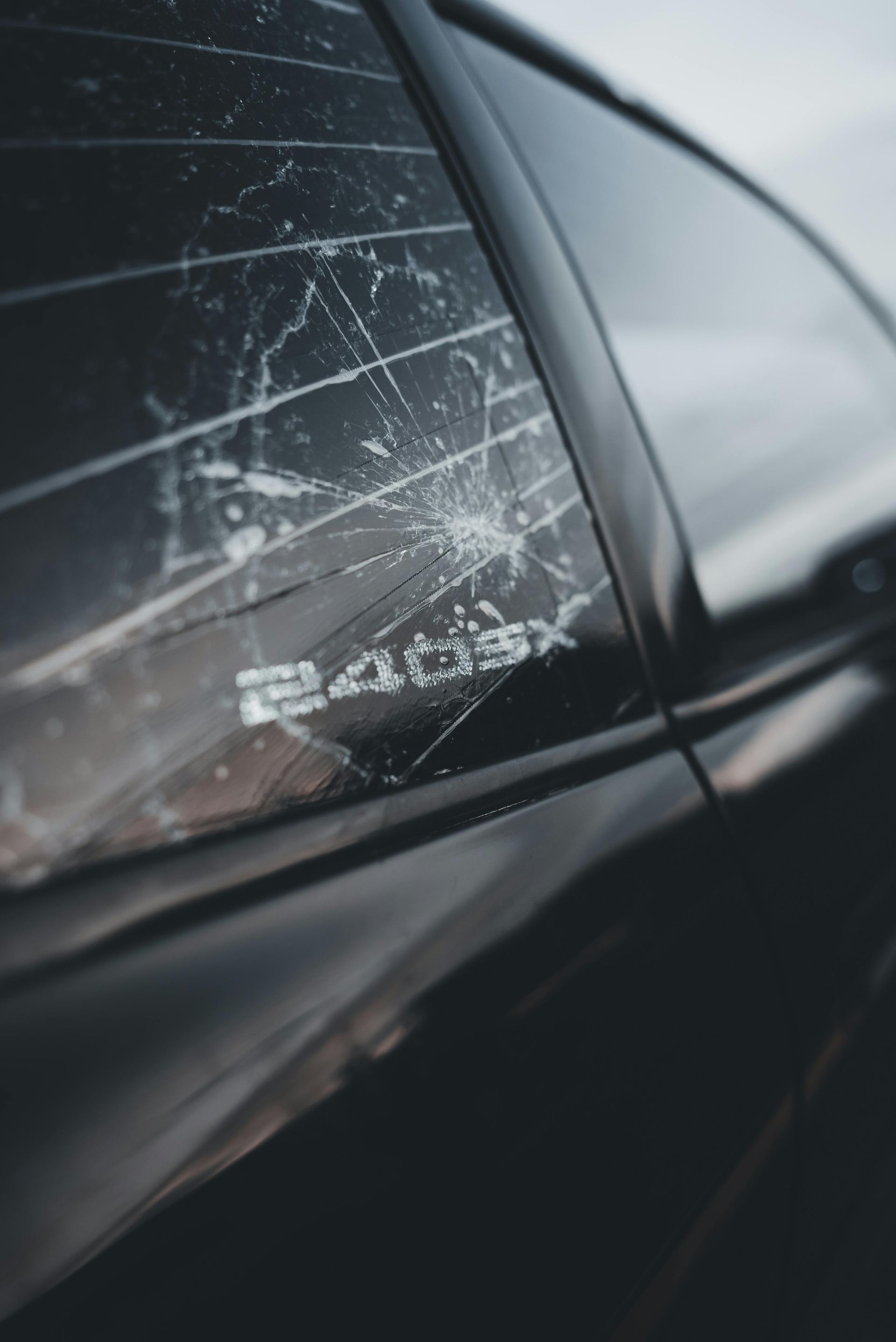
Costs: Repair vs. Replacement


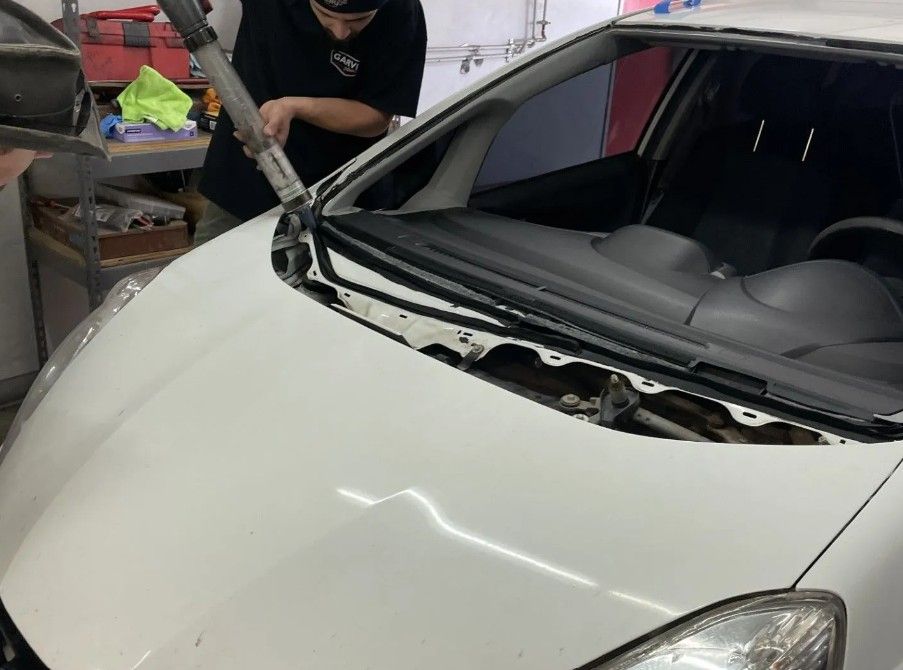
Windshield repair is usually the more affordable option. Small chips or short cracks often cost between $50 and $150, depending on size and how many areas are damaged. A single chip stays on the low end, while multiple spots push the price higher. This makes early repair a smart way to prevent spreading and avoid larger expenses.


Replacement is a bigger investment, typically $200 to $500. Costs rise with luxury vehicles, advanced driver assistance systems, or specialty glass that requires calibration. Replacement also includes professional labor, proper sealing, and disposal of the old windshield, which adds to the final price.


Repairs work best for small, simple damage that does not affect visibility. Once a crack grows longer or sits in the driver’s direct view, replacement becomes necessary because structural safety is at stake. Even small cracks can weaken your windshield during an impact.


For Oregon drivers, addressing damage quickly is the most cost effective approach. Prompt repairs extend windshield life, prevent spreading, and help you avoid costly replacements later. Balancing cost with safety ensures you make the right long term decision for your vehicle.


Safety Considerations and Benefits


A compromised windshield is far more than an aesthetic issue. It directly impacts your safety on the road. When the glass is cracked or chipped, it loses its ability to provide essential support to your vehicle's structure, potentially putting you at greater risk during an accident. The windshield acts as a foundational element that contributes significantly to the overall integrity of your car.


Importance of Structural Integrity


Your windshield is more than a piece of glass. It provides up to 30% of your vehicle’s roof support, which is critical in rollover protection. It also helps airbags deploy correctly by giving them a firm surface to push against. If the windshield is weakened, airbag performance and overall cabin safety can be compromised.

Even small cracks grow over time because of temperature changes and normal road vibrations in Oregon. As they spread, the glass loses strength and puts passengers at greater risk. Addressing damage early keeps the windshield structurally sound and preserves your vehicle’s safety.


Benefits of Professional Repair


Professional windshield repair does more than improve appearance; it restores clarity and reinforces the damaged area so cracks don’t spread. Certified technicians use high-quality resin that bonds tightly, strengthening the glass and improving visibility.


If the damage is too large or affects vital viewing areas, replacement is the safer option. Using OEM-grade glass and precise installation brings the windshield back to factory strength, eliminating weak spots that could fail during impacts.


Timely expert service delivers key safety benefits: clearer visibility, renewed structural support, proper airbag function, and prevention of sudden crack expansion. Understanding these advantages shows why quick, professional attention is essential for keeping your vehicle safe.


Professional Services Available in Oregon


Oregon drivers have many windshield repair choices, but skill levels vary. At Garvin Auto Spa in McMinnville, our International Detailing Association certified team ensures accurate assessments and safe, cost-effective repair or replacement. We use precision tools for proper resin injection and curing, restoring strength and a clean, blended finish. This prevents the short-lived fixes and recurring problems common at uncertified shops.


Certifications and ongoing training are strong signs of quality, and Garvin Auto Spa offers both, along with warranties for added peace of mind. Clients appreciate our clear communication, attention to detail, and durable results. Beyond windshield work, we also offer premium paint protection film and ceramic coatings, plus guidance on how repairs connect with insurance coverage for a smooth, stress-free process.


Frequently Asked Questions


How long does windshield repair or replacement typically take for Oregon drivers?
Windshield repairs in Oregon usually take 30 - 60 minutes, while replacements take about 1 - 2 hours depending on the vehicle and glass type. Most shops work efficiently so you can get back on the road quickly.


What impact do damaged windshields have on vehicle safety and driving regulations in Oregon?
A damaged windshield weakens structural support and reduces visibility, increasing accident risk. Oregon law requires a clear, unobstructed view, so large chips or cracks can cause a failed inspection or a citation.


How do Oregon state laws and insurance policies affect windshield repair and replacement decisions?
Oregon requires damaged windshields that affect visibility to be repaired or replaced promptly. Many insurance policies cover repairs at little or no cost, making quick fixes both legally necessary and financially smart.


What are the cost differences between windshield repair and replacement in Oregon?
Repairs typically cost $50–$150, while replacements range from $200–$400 or more depending on the vehicle. Repairs are usually faster, cheaper, and often covered by insurance with no deductible.


What factors determine whether a windshield can be repaired or needs replacement?
The decision depends on the size, location, and type of damage. Small chips or short cracks can be repaired, while long cracks, edge damage, or chips in the driver’s line of sight often require full replacement.


Restore Your Windshield’s Safety with Certified Care


Don’t wait for a small chip to become a costly replacement. Trust Garvin Auto Spa’s certified team for safe, durable windshield repair or expert replacement. Get fast service, honest guidance, and long-lasting protection for your vehicle.


Call 503-472-4278 or visit Garvin Auto Spa to schedule your inspection and protect your investment.
By SEO Team December 2, 2025
Learn when you can patch damaged paint protection film and when a full replacement is needed. Get pro tips to restore protection and finish.
By SEO Team October 28, 2025
Explore whether you can safely layer or add on top of ceramic coatings. Learn expert tips for proper application, compatibility, and maximizing vehicle protection.
By SEO Team October 28, 2025
Learn when to replace your paint protection film. Spot signs of wear early and protect your car’s finish with expert inspection and premium PPF care.
Black SUV parked inside a garage with detailing supplies, black rims, and a red accent wall.
By SEO Team September 29, 2025
Which Protection is Right for Your Investment? When it comes to protecting your vehicle's beauty and value, the world of automotive detailing offers several compelling options. As a vehicle owner in Oregon County who takes pride in maintaining your investment, you understand that choosing the right paint protection isn't just about aesthetics—it's about preserving your asset's value and appearance for years to come. Whether you're seeking that head-turning glossy shine or long-lasting protection against Oregon's diverse weather conditions, understanding the differences between wax, sealants, and ceramic coatings is essential. Each option delivers unique benefits, making it crucial to choose wisely based on your lifestyle, maintenance preferences, and long-term goals. Let's explore these protective solutions to help you make an informed decision that aligns with your needs. The Bottom Line: Wax provides natural shine but requires reapplication every 1-3 months; sealants offer synthetic protection lasting 6-12 months; while professional ceramic coatings deliver superior protection for multiple years with proper maintenance—making them the smart choice for those who value long-term vehicle preservation. Understanding Your Protection Options Traditional Wax: Classic Beauty with Commitment Car wax delivers that warm, deep shine that turns heads at car shows and in parking lots. Composed primarily of natural ingredients like carnauba, wax creates an inviting glow that enhances your vehicle's paint depth and richness. However, this beautiful finish comes with a commitment. You'll need to reapply wax every one to three months to maintain protection. While wax provides adequate defense against UV rays and light contaminants, frequent exposure to rain, sun, and road debris means regular reapplication becomes essential—a consideration for busy professionals who value their time. Paint Sealants: The Practical Middle Ground Synthetic sealants represent a significant step up in durability and protection. These advanced formulations can maintain their protective qualities for six to twelve months, depending on environmental factors and maintenance routines. Their engineered composition provides stronger resistance against UV damage and offers excellent protection from minor scratches and environmental contaminants. For those balancing a busy lifestyle with the desire to maintain their vehicle's appearance, sealants offer compelling benefits. They require less frequent application than wax while still providing reliable protection. Regular washing with pH-neutral products helps maintain optimal performance—a simple routine that fits well into most schedules. Ceramic Coatings: Professional-Grade Protection This is where paint protection technology truly shines. Professional ceramic coating creates a permanent or semi-permanent bond with your vehicle's paint through a durable layer of SiO2 (silicon dioxide). When professionally applied by IDA-certified technicians, these coatings provide exceptional protection lasting multiple years—typically two to five years with proper care. The hydrophobic properties of ceramic coatings are remarkable. Water beads and rolls off effortlessly, taking dirt and contaminants with it. This self-cleaning effect means your vehicle stays cleaner longer and requires less frequent washing—a valuable time-saver for busy professionals and families. The Professional Advantage While DIY options exist for all three protection types, professional application—especially for ceramic coatings—makes a significant difference in results and longevity. Here's why professional service matters: Expert Surface Preparation Professional detailers understand that 90% of the final result depends on proper preparation. This includes thorough decontamination, paint correction to remove swirls and imperfections, and ensuring the surface is perfectly clean before application. This meticulous process ensures maximum adhesion and longevity. Precision Application IDA-certified technicians bring years of experience and specialized training to every application. They understand the nuances of different paint types, optimal application conditions, and proper curing processes that DIY applications often miss. Warranty and Support Professional ceramic coating applications often include warranties and ongoing support—peace of mind that your investment is protected. This professional backing ensures you receive maximum value from your chosen protection.
Red Buick SUV in auto shop, tire cover on. Gray SUV in background.
By Adam Garvin September 29, 2025
When it comes to protecting your investment from nature's harsh realities, Paint Protection Film (PPF) stands as your vehicle's most trusted guardian. Picture this: you wake up after a severe storm to find your car completely unscathed—no hail damage, no paint chips, no signs of wear. This isn't wishful thinking; it's the reality for vehicle owners who've invested in professional-grade PPF. Many car enthusiasts and professionals in Oregon County underestimate the toll that Oregon's diverse weather patterns can take on their vehicle's exterior. From intense summer UV rays to winter road salt and unexpected hailstorms, these conditions lead to costly repairs and significantly diminished resale value. At Garvin Auto Spa, our IDA-certified experts have seen firsthand how quality PPF not only defends against minor scratches and chips but also stands guard against fading and corrosion caused by harsh elements. With proper protection and minimal maintenance, you can preserve your vehicle's showroom appearance for years to come. Paint Protection Film (PPF) acts as a durable barrier against extreme weather elements such as intense UV radiation, hail, and severe temperature fluctuations. By absorbing impact energy and resisting fading and oxidation, PPF helps maintain the integrity of your vehicle's paint, ensuring it remains protected from light scratches, chips, and other environmental damage that occurs during harsh conditions. The Investment-Grade Benefits of Paint Protection Film Paint Protection Film (PPF) acts like premium insurance for your vehicle’s exterior, shielding it from road debris and UV rays while helping maintain its resale value. By blocking up to 99% of harmful radiation and preventing chips and fading, PPF keeps your car looking showroom-fresh for years. Low-Maintenance Protection Busy professionals appreciate PPF’s easy upkeep—just routine washing instead of frequent waxing. Its self-healing technology even makes minor scratches disappear with heat, reducing repair costs and time. Preserve Value with Professional Installation A professionally installed PPF not only maintains your car’s aesthetic appeal but can also boost resale value by up to 10%. At Garvin Auto Spa, our IDA-certified technicians use precision software for a flawless, wrinkle-free fit—ensuring maximum protection and lasting results. Superior Protection Against Light Scratches and Environmental Damage Made from durable thermoplastic urethane, Paint Protection Film (PPF) shields your vehicle from road debris, door dings, and other everyday hazards. Unlike wax, which offers minimal defense, PPF absorbs impacts and resists scratches with far greater strength—keeping your paint flawless longer. The result: fewer repairs, a lasting showroom look, and stronger resale value. Advanced UV Protection and Environmental Defense Your vehicle's factory paint represents a significant portion of its value, yet without proper protection, that brilliance can fade rapidly. Ultraviolet (UV) rays pose one of the most persistent threats, causing considerable fading and oxidation over time. Just as prolonged sun exposure damages unprotected skin, your car's paint suffers significant wear from relentless UV radiation. Professional-grade PPF is engineered with advanced UV inhibitors, essentially acting as permanent sunscreen for your vehicle. This means your car's glossy finish remains intact longer, preserving both its aesthetic appeal and resale value. According to industry research, vehicles equipped with UV-resistant PPF demonstrate less paint fading over a two-year period compared to unprotected vehicles. Protection From Environmental Contaminants Beyond UV protection, PPF guards against various environmental hazards that threaten your car's finish. Bird droppings, tree sap, and pollen contain acids that can corrode paint if not cleaned promptly. PPF acts as a protective barrier, preventing these acidic components from contacting the paint directly.
ceramic coating
August 29, 2025
Have you just invested in ceramic coating to keep your vehicle looking showroom-new, only to wonder when it's safe to wash it? You're not alone! Many car enthusiasts and responsible vehicle owners invest significant time and money in ceramic coatings but aren't quite sure about the proper care afterward. As professionals who understand the value of your investment, we know that waiting to wash your vehicle can feel challenging, especially when it's calling out for a clean. However, understanding how long to wait and why this timing is crucial can make all the difference in protecting that pristine finish you've worked hard to achieve. The bottom line: Wait at least 7-14 days after ceramic coating application before washing your car to ensure proper curing and maximum protection. This patience protects your investment and ensures you get the full benefits of your ceramic coating. Why the Wait? Understanding Ceramic Coating Curing Curing isn't just a formality—it's the critical process that transforms your ceramic coating from a liquid application into a bulletproof protective shield for your vehicle. During this vital period, the coating chemically bonds with your car's paint, creating an armor-like barrier that resists contaminants, and harmful UV rays. Think of it like concrete: it needs undisturbed time to reach its full strength. Your ceramic coating requires this same patient approach to deliver maximum protection and longevity. Professional Insight: Studies show that properly cured ceramic coatings can enhance performance and boost longevity by up to 50%. This isn't just a minor detail—it's essential to maximizing your investment's protective capabilities. Recommended Waiting Period: 7-14 Days Most automotive experts recommend waiting at least 7 days after ceramic coating application before your first wash. This crucial week allows the coating to properly bond with your vehicle's surface, creating the durable protection you invested in. However, some premium coatings may require up to 14 days for complete curing, particularly in challenging environmental conditions. The specific product used on your vehicle determines the exact timeline, which is why consulting with your professional detailer is essential. Factors That Influence Curing Time Temperature: Ideal curing occurs between 60°F to 80°F (15°C to 27°C). Higher temperatures can accelerate the process, while cooler weather extends it. Humidity: High humidity (above 70%) can slow curing by up to 50%, potentially extending your wait to 14 days. Product Type: Different ceramic coating formulations have varying curing requirements. SiO2-based coatings typically cure faster than TiO2 alternatives.
Blue SUV parked in front of
August 28, 2025
Protecting your vehicle's pristine finish isn't just about maintaining appearances—it's about preserving the value of one of your most significant investments. Whether you're navigating Yamhill County's winding roads, heading out for weekend adventures, or simply want to keep your daily driver looking showroom-fresh, paint protection film (PPF) offers peace of mind against the elements. But with your busy schedule and the variety of options available, choosing the right PPF installer requires asking the right questions upfront. At Garvin Auto Spa, we believe an informed decision leads to lasting satisfaction. That's why we've compiled these essential questions every vehicle owner should ask before committing to PPF installation. Understanding these key aspects—from installer expertise to warranty coverage—ensures you'll partner with professionals who share your commitment to quality and vehicle preservation. Before investing in PPF installation, savvy vehicle owners ask five critical questions: What's your experience with PPF installation? Which PPF brands do you offer and why? Can you walk me through your installation process? What warranty coverage comes with the installation? Can you provide references from previous clients? These questions help ensure you're choosing a qualified professional who will protect your investment with the care it deserves. The 5 Key Questions Every Smart Owner Asks 1. What Experience Do You Have with PPF Installation? Experience matters when it comes to protecting your vehicle's finish. Look for installers with at least 3-5 years of specialized PPF experience—not just general detailing work. A seasoned professional will have encountered various vehicle types, from compact cars to luxury SUVs and recreational vehicles, each presenting unique installation challenges. Ask to see their portfolio showcasing before-and-after transformations. Quality installers, like our IDA-certified team at Garvin Auto Spa, proudly display their work because they understand that seeing is believing. An experienced installer should also be able to explain how they handle complex areas like bumpers, mirrors, and door edges—spots where amateur installation often fails first. 2. What Brand of PPF Do You Use, and Why? Not all paint protection films are made the same. Premium brands like XPEL, 3M, and SunTek have earned their reputations through years of proven performance in real-world conditions. When an installer explains their brand choice, they should discuss: Durability: How long the film maintains its protective properties Clarity: The film's ability to remain invisible while protecting Self-healing properties: Advanced films that can repair minor scratches Warranty backing: Manufacturer support that protects your investment Professional installers choose their PPF brands deliberately, based on performance data and customer satisfaction—not just price point. They should enthusiastically explain why their chosen brand offers the best protection for Yamhill County's specific environmental conditions. 3. What Is Your Installation Process? A transparent, detailed installation process separates professionals from amateurs. Your installer should walk you through each step: Preparation Phase: Professional-grade cleaning and decontamination of your vehicle's surface, including paint correction if needed Application Environment: Clean, controlled workspace free from dust and debris Installation Technique: Precise cutting (preferably computer-cut patterns), careful application, and proper adhesive activation Quality Control: Multi-point inspection ensuring no bubbles, lifted edges, or imperfections Curing Time: Clear explanation of post-installation care requirements This level of detail demonstrates professionalism and sets clear expectations for your service experience. At Garvin Auto Spa, we believe in complete transparency—you're welcome to observe the process if you'd like. 4. Do You Offer a Warranty on Your PPF Installation? A comprehensive warranty reflects confidence in both materials and workmanship. Reputable installers typically offer: Installation warranty: Covering application defects, typically 2-5 years Manufacturer warranty: Premium films often include 5-10 year coverage against yellowing, cracking, or peeling Transferable protection: Quality warranties that add value if you sell your vehicle Be wary of installers who only offer "limited" warranties or seem hesitant to discuss coverage details. A professional installer stands behind their work with clear, written warranty terms that protect your investment. 5. Can You Provide References or Customer Reviews? In our connected community, reputation matters. Request specific references from clients with similar vehicles or protection needs. Look for: Verified reviews on Google, Facebook, or industry-specific platforms Before-and-after galleries featuring local vehicles Testimonials that mention long-term satisfaction, not just initial results Community involvement that demonstrates established local presence Personal recommendations from fellow Yamhill County residents carry weight—they understand our unique driving conditions and value quality service from trusted local businesses. Understanding PPF Material Options Premium Material Choices Making an informed decision means understanding your options. Modern PPF technology offers various solutions tailored to different needs and budgets: Thermoplastic Polyurethane (TPU) Films The gold standard for serious protection, TPU films offer: Superior impact resistance against rock chips and road debris Exceptional clarity that won't yellow over time Flexibility to conform perfectly to complex curves Long-term durability (7-10 years with proper care) Self-Healing Technology Advanced films from brands like XPEL and SunTek feature revolutionary self-healing properties. Minor scratches and swirl marks disappear when exposed to heat—whether from the sun or a heat gun. Imagine returning to your vehicle after a day of errands to find yesterday's parking lot scratch has vanished. This technology keeps your vehicle looking freshly detailed year-round. Hydrophobic Coatings Premium PPF options include built-in hydrophobic properties that: Repel water, dirt, and contaminants Make washing easier and less frequent Maintain that "just-detailed" appearance longer Reduce water spots and mineral deposits These features are particularly valuable for busy professionals who want maximum protection with minimal maintenance time. Understanding the True Value While the initial investment might seem significant, consider the long-term benefits: Paint repair costs avoided: A single panel repaint can cost $500-$1,500 Maintained resale value: Protected vehicles command 5-10% higher resale prices Time saved: Less frequent detailing and touch-up needs Peace of mind: Drive confidently without worrying about every gravel road Always request a detailed quote that breaks down material costs, labor, and any additional services like paint correction. Transparent pricing reflects professional integrity.
ceramic coating myths
By SEO Team July 25, 2025
Don’t let ceramic coating myths mislead you. Learn what ceramic coating really does and how to protect your vehicle the right way in McMinnville. Call us!
types of paint protection film
By SEO Team July 15, 2025
Explore various types of paint protection film and how each finish—gloss, matte, or black—protects your car’s paint from damage, chips, and weather exposure.
ceramic coating maintenance
By SEO Team June 20, 2025
Learn ceramic coating maintenance tips to keep your vehicle glossy and protected. Preserve your coating’s durability and appearance with ease. Call us!