Warning Signs Your Windshield Needs Replacement: How to Spot Damage and When to Repair
Your windshield might seem like just another part of your car, but it plays a big role in keeping you safe every time you hit the road. Even small cracks or chips can quickly turn into serious problems if left unnoticed. Knowing how to spot early signs of damage and when to act can save you from costly repairs and keep your ride safer. Let's dive into what to watch for so you never have to wonder if that chip is just a nuisance or a real risk.
Warning signs that your windshield needs replacement include radiating hairline cracks spreading from a previous repair, significant crack expansion beyond a few inches, visible distortions affecting your driving visibility, and discoloration or clouding around the damaged area. If you notice any of these symptoms, have your windshield inspected by a professional, as continued driving with compromised glass can jeopardize structural integrity and safety.
Tell-Tale Signs of Windshield Damage
A chip or crack in your windshield isn't just an eyesore. It's a warning flag waving for your attention. Even the tiniest imperfection could grow bigger with changes in temperature or road vibrations. A minor stone chip may seem harmless at first, but as the glass expands and contracts with heat and cold, that chip can spiderweb into a larger crack, compromising your visibility and safety.
| Sign of Damage | Why It Matters |
|---|---|
| Visible Chips and Cracks | They disrupt the glass's structural integrity and often get worse over time if ignored. |
| Star Breaks | Radial cracks that spread like a spider web increase the risk of shattering under pressure. |
| Bullseye Cracks | Circular impacts, typically from road debris, weaken the area and risk sudden failure. |
| Stress Cracks | These cracks start at edges without clear impact points, often from poor installation or pressure. |
| White Haze along Edges | Delamination indicates layers separating, which means your windshield is losing strength. |
| Wiper Marks | Deep scratches can distort vision and impair the effectiveness of your wipers. |
Among these, stress cracks deserve special attention. Unlike chips caused by flying debris, stress cracks develop due to temperature fluctuations or improper installation. This subtle damage gradually undermines the windshield's structural support without showing obvious external trauma, so keep an eye on seemingly minor irregularities around the edges.
You might also notice a white haze or fogginess near the edges of your windshield. Persistent hazing usually signals delamination, which is the slow separation of glass layers bonded together during manufacturing. This weakens not only the glass itself but also its ability to protect you during collisions.
Another overlooked culprit is worn windshield wipers leaving deep grooves. These marks scatter incoming light and create distortions that blur your vision during rainstorms or at night. Those grooves also become traps for dirt and grime, which wear down the glass further over time.
Regularly inspecting your windshield inside and out helps you catch problems early. Don't just look for cracks or chips. Inspect edges carefully for subtle haze and check how smoothly your wipers glide across the glass.
Impact on Safety and Visibility
The windshield is far more than just a piece of glass. According to the National Highway Traffic Safety Administration (NHTSA), windshields contribute up to 45% of the structural strength in a frontal collision and about 60% during a rollover accident. Any compromise to the windshield weakens your vehicle's ability to protect you when it matters most.
Beyond structural integrity, visibility plays a huge role in safe driving. A tiny crack might seem harmless until sunlight hits it at the wrong angle, creating blinding glare or refracted light that distracts or temporarily blinds you. This is particularly dangerous during dawn, dusk, or night driving.
Here are specific ways windshield damage impacts your safety:
- Compromised Structural Support: Weakens airbag deployment effectiveness since many airbags rely on a solid windshield for proper inflation direction.
- Visibility Impairment: Cracks and chips distort images, increasing driver reaction time by up to 25%, according to traffic safety studies.
- Glare and Light Distortion: Light bouncing off damaged areas creates unexpected glare leading to hazardous driving conditions.
- Increased Crash Risk: Research from the Insurance Institute for Highway Safety shows cars with severely damaged windshields have more frequent crashes related to impaired vision.
This blend of weakened structure and reduced clarity makes timely windshield replacement a top priority. Repairing minor chips with resin can restore nearly 90% of original strength but won't fix optical distortions fully. When cracks spread beyond six inches or radiate outward, a full replacement is essential.
"A clear, intact windshield doesn't just improve your view. It saves lives," say the professionals atGarvin Auto Spa, your trusted resource for windshield replacement in McMinnville, OR and surrounding regions.
When to Consider Repair vs. Replacement
When deciding between repair and replacement, size truly matters. Chips smaller than a quarter can often be repaired effectively by injecting resin into the damaged area, restoring about 95% of the glass's original strength. However, once cracks or chips exceed these dimensions or multiple chips cluster together, replacement is usually the safest course.
Location of the Damage: Damage along the windshield's edges is far more perilous because edges are inherently weaker points where cracks spread quickly and unpredictably. Damage directly within the driver's line of sight also often requires replacement, as repairs in this zone may leave subtle visual distortions or rainbow effects that impair visibility.
Type of Damage: Bullseye cracks and star breaks tend to respond well to professional repair techniques. Conversely, stress cracks resulting from pressure or temperature fluctuations often run longer and deeper through layers of laminate, resisting simple fixes. These types usually demand full windshield replacement for lasting safety and reliability.
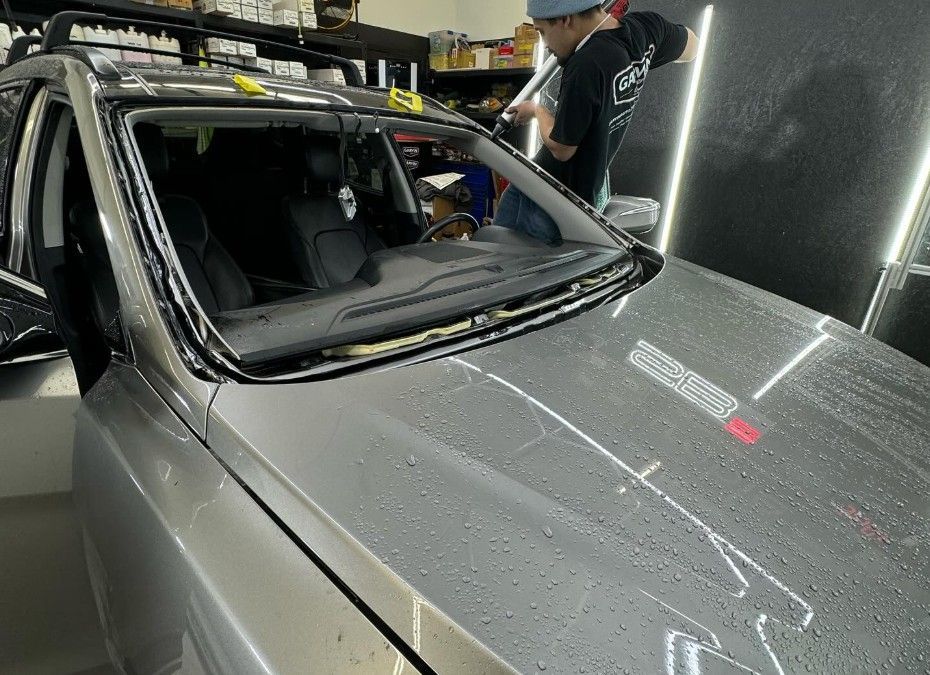
At Garvin Auto Spa, our certified technicians understand the nuances of modern auto glass, including vehicles equipped with advanced driver assistance systems, which require exact calibration after glass work for proper function.
Remember: Quick intervention, ideally within 24 to 48 hours after noticing damage, prevents dirt and moisture from infiltrating cracks and reducing repair success rates dramatically.
Consequences of Ignoring Damage
Ignoring a cracked or chipped windshield might seem like a way to save money, but that short-term thinking often leads to bigger trouble. Studies from the NHTSA reveal that a damaged windshield can reduce your vehicle's roof strength by as much as 40%, significantly increasing rollover collapse risk.
Small chips and cracks expand steadily due to temperature changes, vibrations, or moisture seeping into micro-fissures. As water infiltrates, it can cause layers to delaminate, weakening the glass further and sometimes causing visible discoloration. When this structural breakdown occurs, even a minor pothole hit can cause the windshield to shatter suddenly.
Key risks of ignoring windshield damage include:
- Impaired visibility from distorted light or distracting reflections.
- Compromised safety affecting airbag performance and cabin structure integrity during collisions.
- Increased repair costs, as early resin repairs are far cheaper than full replacements after cracks grow.
- Potential legal issues from violating vehicle safety regulations.
Research published in the Journal of Safety Research indicates that ignoring cracks larger than 6 inches doubles your chances of sudden windshield failure. Modern vehicles with ADAS, require precise windshield integrity for proper sensor calibration. A replacement without professional recalibration could cause malfunctioning safety features like lane keeping assist and adaptive cruise control.
Professional Inspection and Maintenance
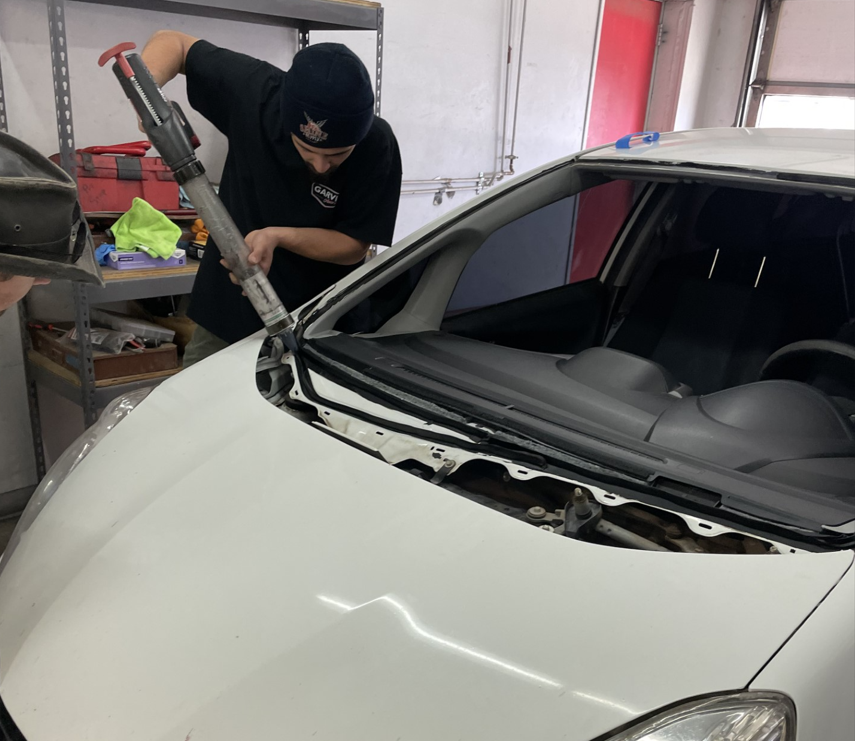
Windshield damage isn't always obvious at first glance. Skilled technicians use specialized tools to detect subtle fractures or stress points that could worsen into serious problems. When professionals assess your windshield, they evaluate the overall integrity of the glass, the strength of the adhesive bonding, and whether surrounding components are affected.
DIY Temporary Fixes
When a chip or crack first appears, there are affordable stopgap measures you can take while scheduling proper service. Clear nail polish applied to a clean, dry chip acts as a sealant that slows moisture and dirt from getting underneath the glass. This is an emergency patch, not a permanent repair.
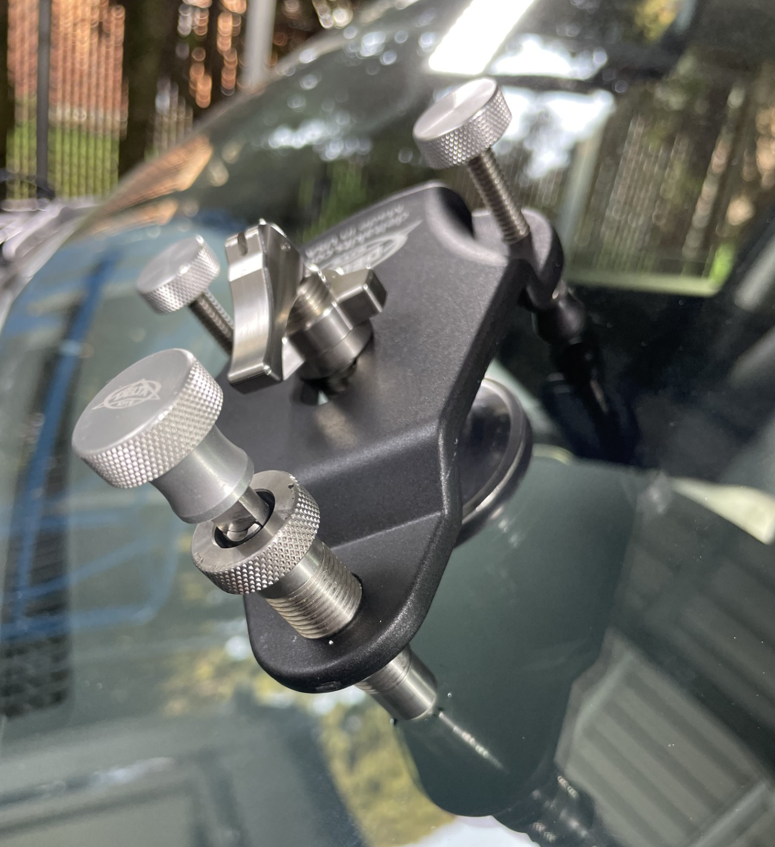
DIY windshield repair kits offer a more tailored approach for cracks or chips smaller than about an inch. These kits use a syringe applicator to inject resin under vacuum pressure, filling the damaged area and stabilizing the glass. They work best on small bullseye marks, star-shaped breaks, or linear cracks below one inch. Larger cracks or those in your line of sight require immediate professional attention.
"Resin handled improperly can cause more harm than good," warn professionals at Garvin Auto Spa. DIY repairs vary widely depending on user skill and conditions, so monitor your windshield regularly afterward and seek professional help if cracks spread or clarity diminishes.
These temporary fixes are stepping stones toward professional repair, not substitutes. For peace of mind, consult windshield specialists who offer certified repairs tailored to preserve structural integrity and driver safety.
Protect Your Safety With Expert Windshield Replacement
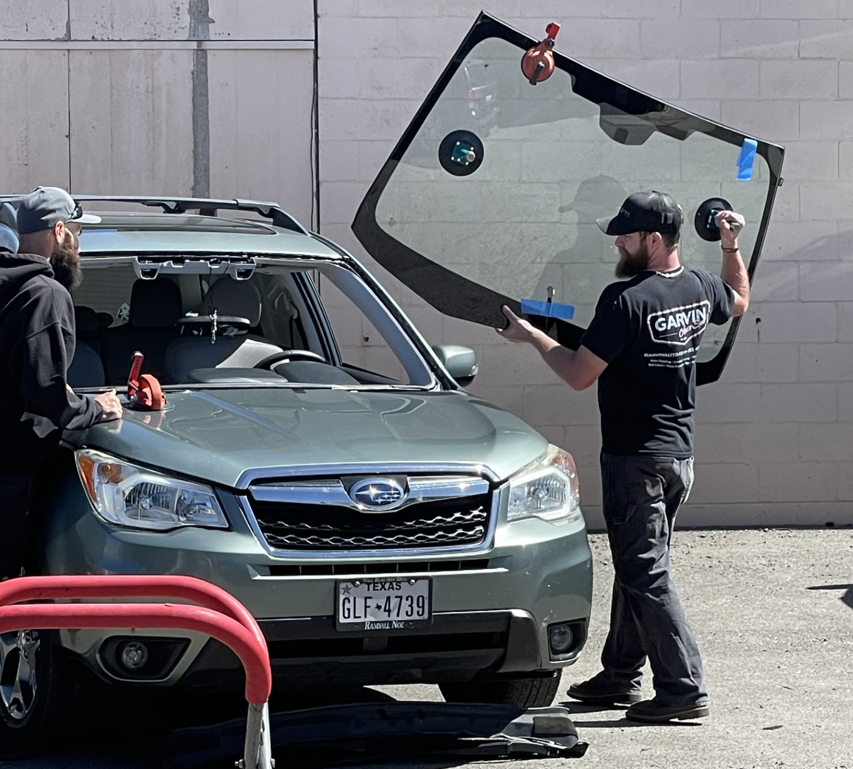
Even minor windshield damage can compromise visibility and structural safety. At Garvin Auto Spa, our certified technicians provide precise inspections, OEM-quality replacements, and ADAS recalibration to keep your vehicle safe and road-ready.
Call us at 503-472-4278 to schedule a consultation for your windshield inspection and restore clear, confident driving.
FAQs on Windshield Replacement & Repair
1. How do I know if my windshield needs replacement instead of repair?
Windshield replacement is usually required when cracks exceed 6 inches, damage reaches the edges, multiple chips appear, or the crack sits in the driver’s line of sight and affects visibility.
2. Can a small chip in my windshield spread over time?
Yes. Temperature changes, road vibrations, and moisture can cause even tiny chips to expand into large cracks, increasing safety risks and repair costs.
3. Is it safe to drive with a cracked windshield?
Driving with a cracked windshield is unsafe because it weakens structural integrity, affects airbag deployment, and reduces visibility, especially during glare or nighttime driving.
4. How long does windshield replacement take?
Most windshield replacements take 60 to 90 minutes, followed by a curing period for adhesive bonding before safe driving.
5. Does insurance cover windshield replacement?
Many comprehensive auto insurance policies cover windshield repair or replacement with little or no deductible. Coverage depends on your provider and policy terms.
6. What types of windshield damage can be repaired?
Small chips, bullseye cracks, and minor star breaks smaller than a quarter can often be repaired using resin injection techniques.
7. Do modern vehicles require recalibration after windshield replacement?
Yes. Vehicles equipped with ADAS features like lane assist or forward collision warning require sensor recalibration after windshield replacement to maintain proper functionality.
8. Can windshield damage affect airbag deployment?
Yes. A weakened windshield may fail to support proper airbag deployment, reducing occupant protection during collisions.
9. How soon should I repair windshield damage?
Ideally within 24 to 48 hours to prevent dirt and moisture infiltration, which reduces repair success and increases replacement likelihood.