Can You Use Automatic Car Wash with PPF? Tips for Paint Protection and Maintenance
Protecting your car’s finish is no small task, especially when you’ve invested in Paint Protection Film to keep it looking sharp. A quick automatic car wash seems like an easy way to clean up, but not all washes treat PPF the same. Some methods that seem harmless can leave tiny scratches or even lift the edges of the film, cutting short your investment’s lifespan. This article breaks down how to wash your car safely with PPF, helps you spot the risks, and shares practical tips so your paint stays flawless.
While PPF offers some defense against minor scratches, traditional automatic car washes with harsh brushes are generally not recommended, since they can cause swirl marks and damage the film’s surface. To preserve PPF’s longevity and appearance, it is best to choose touchless car washes or gentle hand washing methods designed for delicate finishes.
Understanding Paint Protection Film (PPF)
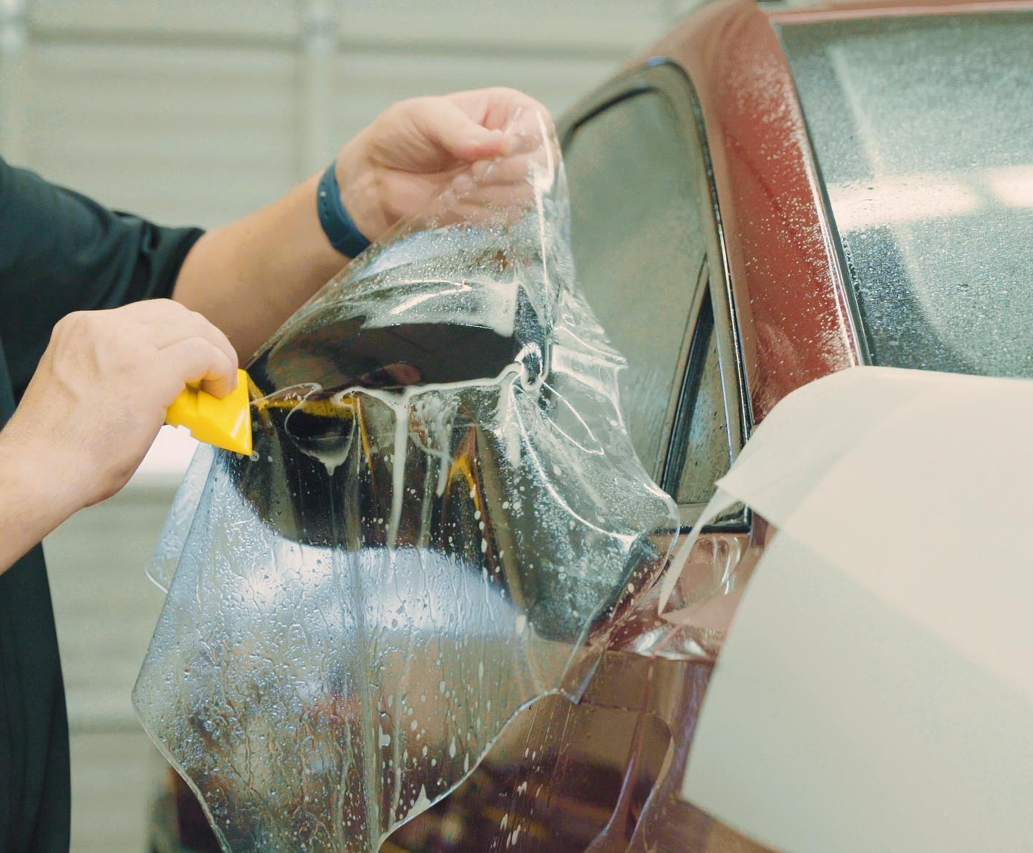
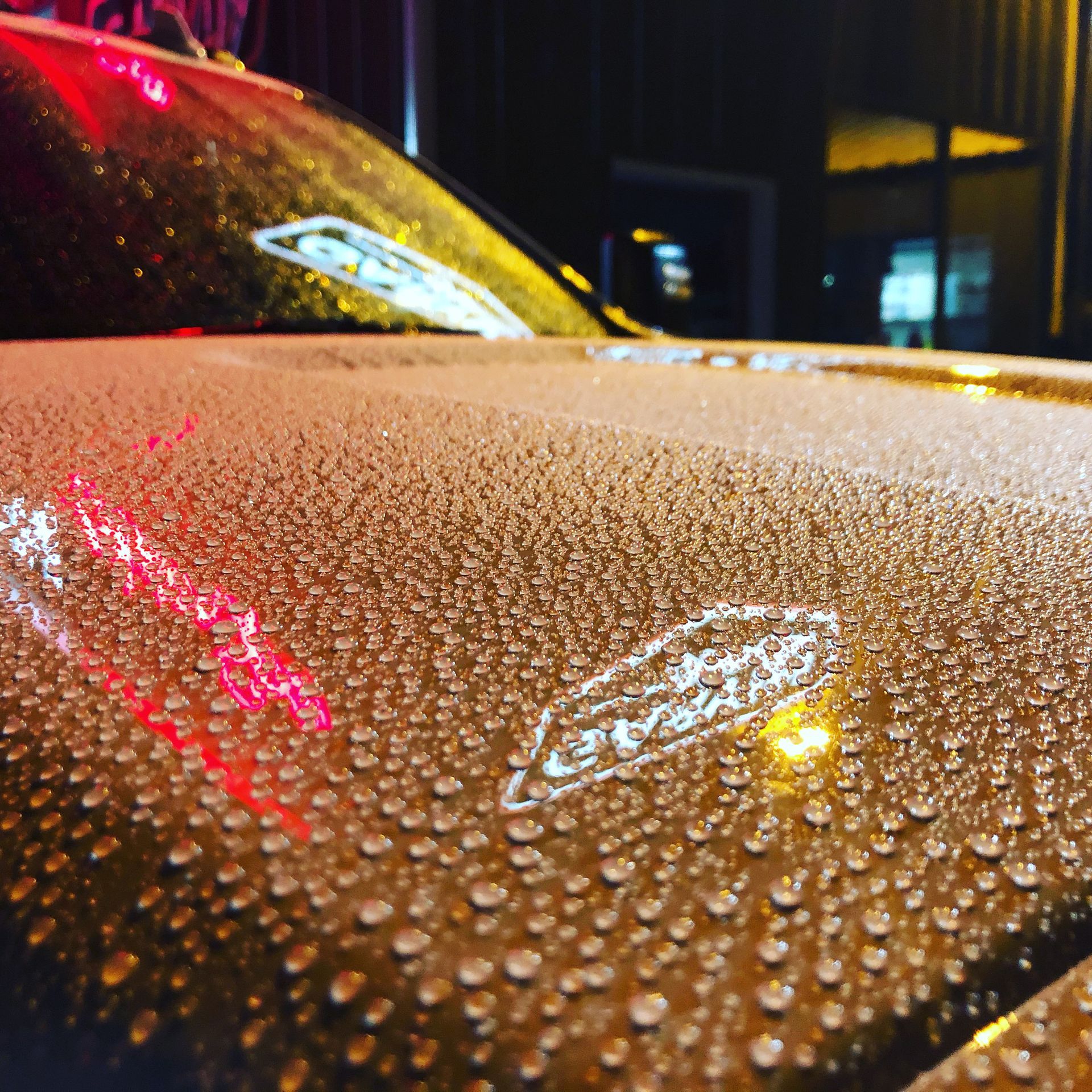
PPF is a clear, durable shield that hugs your car’s paintwork like a second skin. Made from thermoplastic urethane (TPU), it ranges between 6 and 8 mils thick, noticeably thicker than a typical clear coat. This extra thickness lets PPF absorb impacts from road debris without transferring damage to the paint beneath. Many films also include self healing properties, where minor scratches disappear when exposed to heat from sunlight or warm water, plus hydrophobic topcoats that help water bead off and reduce dirt buildup.
Still, PPF is not indestructible. Harsh mechanical forces, like those from automatic car wash brushes, can cause swirl marks or abrasions that compromise the film’s surface, and aggressive washing risks peeling the edges. Because of this, many professionals recommend avoiding brush based automatic washes altogether, favoring hand washing with pH neutral soaps and soft microfiber towels, or touchless systems instead.
| Aspect | Impact on PPF | Best Practice |
|---|---|---|
| Mechanical brushes | Swirl marks, scratches | Avoid traditional brush washes |
| Chemical detergents | Can degrade protective topcoat | Use pH neutral soaps |
| Heat exposure | Helps self heal minor scratches | Warm water recommended |
| Water repellency | Hydrophobic coating sheds dirt | Regular gentle washing |
At Garvin Auto Spa, we encourage PPF owners to build washing routines that respect the film’s unique characteristics, favoring careful methods over quick fixes that rely on harsh brushes.
Risks of Automatic Car Washes for PPF
Automatic washes feel quick and convenient, but for cars with PPF that convenience hides real risks. The rotating brushes in many traditional washes are made from stiff materials meant to scrub off dirt aggressively. On bare paint that works fine, but on PPF it creates micro abrasions: tiny scratches that accumulate over time, increasing surface roughness and dulling clarity. Studies show that after just ten cycles through automatic brush washes, surface roughness on PPF can increase by as much as 15 percent.
The edges are especially vulnerable too. Research from the Paint Protection Film Manufacturers Association (PPFMA) indicates adhesive strength near film edges drops by roughly 8 percent after repeated mechanical exposure, which can eventually lead to partial detachment. Chemical agents add to the problem: detergents with a high pH (above 10) can degrade PPF clarity by up to 7 percent across 20 wash cycles, and when combined with abrasive brushes and high pressure jets, water can even force its way under improperly sealed edges.
Given these risks, most experts strongly advise against brush based automatic washes for PPF protected vehicles, recommending manual washing or touchless systems instead.
Safe Washing Alternatives
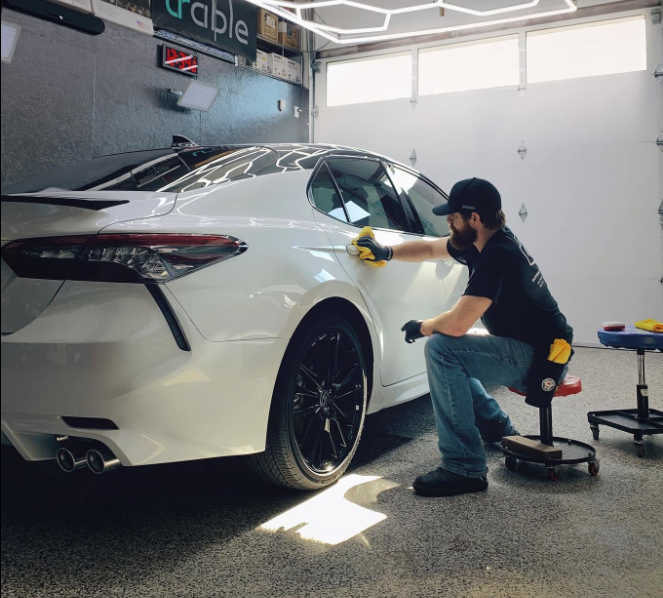
Hand washing remains the most reliable way to clean a car with PPF without risking damage, since it lets you control pressure and technique directly. Soft microfiber wash mitts paired with pH neutral, PPF compatible detergents lift grime gently while protecting the adhesive beneath the film. For water conscious owners, rinseless washing products like Optimum No Rinse offer an excellent alternative: the diluted solution is sprayed on a panel and wiped off with a clean microfiber cloth, panel by panel, which saves water and minimizes the physical contact that causes abrasion.
Touchless automatic car washes are another solid option. Rather than mechanical brushes, they rely on high pressure water jets and detergents to lift dirt without touching the finish, reducing swirl mark risk. Even so, high pressure sprays can still stress film edges if used too close or too intensely, so aim for nozzle pressures under 1200 psi and avoid repeated passes.
Best practices for cleaning PPF covered vehicles include using microfiber towels exclusively, choosing pH neutral soaps within the 6.5 to 7.5 range, washing in shaded areas or cooler temperatures (roughly 50 to 85 degrees Fahrenheit), drying immediately with clean microfiber towels or air blowers, and avoiding pressure washers above the recommended psi near film edges.
Tips for Using Automatic Car Washes with PPF
When an automatic wash is your only option, prioritize touchless systems that minimize physical contact. Keep water pressure under 1200 psi near film borders, and avoid locations where water runs hotter than 140 degrees Fahrenheit, since excess heat can soften the adhesive beneath the film. Before every visit, inspect your PPF edges, focusing on corners and seams, and apply automotive tape over any loose areas as a preventative measure.
After washing, dry your vehicle immediately with a clean microfiber towel or gentle air blower, since trapped moisture along the edges can promote lifting and degrade the adhesive over time. To further protect your investment, limit automatic washes, touchless or not, to roughly once every two to four weeks, alternating with careful hand washing in between.
Maintaining Your PPF
Routine maintenance keeps PPF looking its best. Inspect the film at least once a month under natural daylight, paying close attention to high stress areas like door edges, bumpers, and hood corners. Catching yellowing, bubbling, or lifting early helps avoid costlier repairs later; if you spot significant peeling, consult a professional rather than attempting a DIY fix.
For cleaning, use pH neutral car shampoo diluted properly, commonly at a 1 to 100 ratio with water, and dry with microfiber towels rated at least 300 GSM to minimize friction and swirl marks. Keep wash water below 40 degrees Celsius to prevent softening the adhesive beneath the film’s edges. Reapplying a ceramic coating or PPF specific sealant every six months adds another layer of hydrophobic and UV protection, reducing how often deep cleaning is needed.
Common Myths About PPF
One common myth is that PPF makes waxing unnecessary. In reality, a quality wax or sealant enhances the film’s hydrophobic properties and gloss, complementing rather than replacing the protection PPF provides. Another myth treats PPF as an indestructible, self healing superhero: modern films can repair minor swirl marks and light scratches when exposed to heat, but deep gouges, chemical stains, and repeated mechanical abrasion from harsh automatic brushes can still overwhelm the film’s defenses.
A third myth assumes all automatic washes are safe for PPF. Many detailers instead recommend avoiding traditional brush based washes altogether, since they can cause micro scratches and degrade film edges over time, choosing touchless washes or hand washing instead.
Expert Opinions on PPF Maintenance
Industry professionals consistently point to gentle, regular care as the key to keeping PPF flawless. Michael Stoops of Meguiar’s notes that consistent hand washing outperforms automatic car washes for preserving film integrity, advising mild detergents and soft microfiber cloths that clean without compromising the protective layer. Deborah, a detailer at LuxAutoLab, emphasizes frequent inspections, since catching small chips, peels, or discoloration early prevents bigger repairs down the road. Both experts recommend avoiding high pressure jets aimed directly at film edges and applying a quality ceramic coating or compatible sealant after washing for added protection.
Protect Your PPF While Keeping It Clean
Your PPF is designed to protect your vehicle’s finish, but the way you wash it plays a major role in how long that protection actually lasts. One wrong automatic wash can lead to swirl marks, lifted edges, or premature wear.
At Garvin Auto Spa, we help car owners maintain flawless paint protection with safe washing methods, professional detailing, and expert PPF care guidance tailored for long-term durability.
Call us at 503-472-4278 to schedule a consultation to get expert PPF installation, maintenance, detailing support, and safe washing guidance tailored to your vehicle.
FAQs
Are hand washes or touchless washes recommended over traditional automatic car washes for cars with PPF?
Touchless washes are generally recommended over traditional automatic washes, since they minimize the risk of abrasive brushes scratching or lifting the film. Hand washes remain the gold standard, as studies show that 70 percent of PPF damage in car washes comes from improper brush systems.
Can frequent use of automatic car washes cause premature wear or damage to PPF?
Yes. Frequent brush based washes can cause premature wear, though soft cloth or touchless washes reduce micro scratches by up to 70 percent. Sticking to gentle, brushless options keeps your film flawless longer.
Are certain types of automatic car washes safer for vehicles with PPF than others?
Yes, touchless washes are generally safer, since they avoid the abrasive brushes that cause micro abrasions in up to 25 percent of cases, compared with under 5 percent for touchless systems.
What precautions should be taken when using an automatic car wash on a car with PPF?
Opt for touchless or soft cloth systems and avoid harsh brushes that can lift edges and promote peeling. Make sure your PPF is fully cured, usually 48 to 72 hours after installation, before washing, and avoid high pressure nozzles directly on film edges. Studies show 85 percent of reported PPF damage stems from aggressive brush contact.
How does an automatic car wash affect the durability of Paint Protection Film?
Harsh brushes and abrasive cloths may cause micro scratches or edge lifting, but modern soft touch automatic washes reduce that risk by up to 60 percent compared with older spinning brush models. For best results, choose touchless washes and avoid high pressure nozzles aimed directly at film edges.