Apply Ceramic Coating Before or After PPF? Complete Guide with Tips and Benefits
When it comes to protecting your car's paint, deciding whether to apply ceramic coating before or after Paint Protection Film (PPF) can feel confusing. Both options offer important benefits, but the order matters for how well they adhere and how long they last. After spending plenty of time talking to professionals and testing different approaches, we've found that the right sequence can make all the difference, not just in protection but in maintaining that fresh, glossy look for years. Let's unpack why applying ceramic coating after PPF is usually the smarter move.
It is best to apply Paint Protection Film (PPF) first, followed by ceramic coating on top. Applying ceramic coating after PPF ensures proper film adhesion while adding hydrophobic properties and chemical resistance, enhancing the longevity and effectiveness of both protective layers.
Before or After Applying PPF: Making the Right Decision
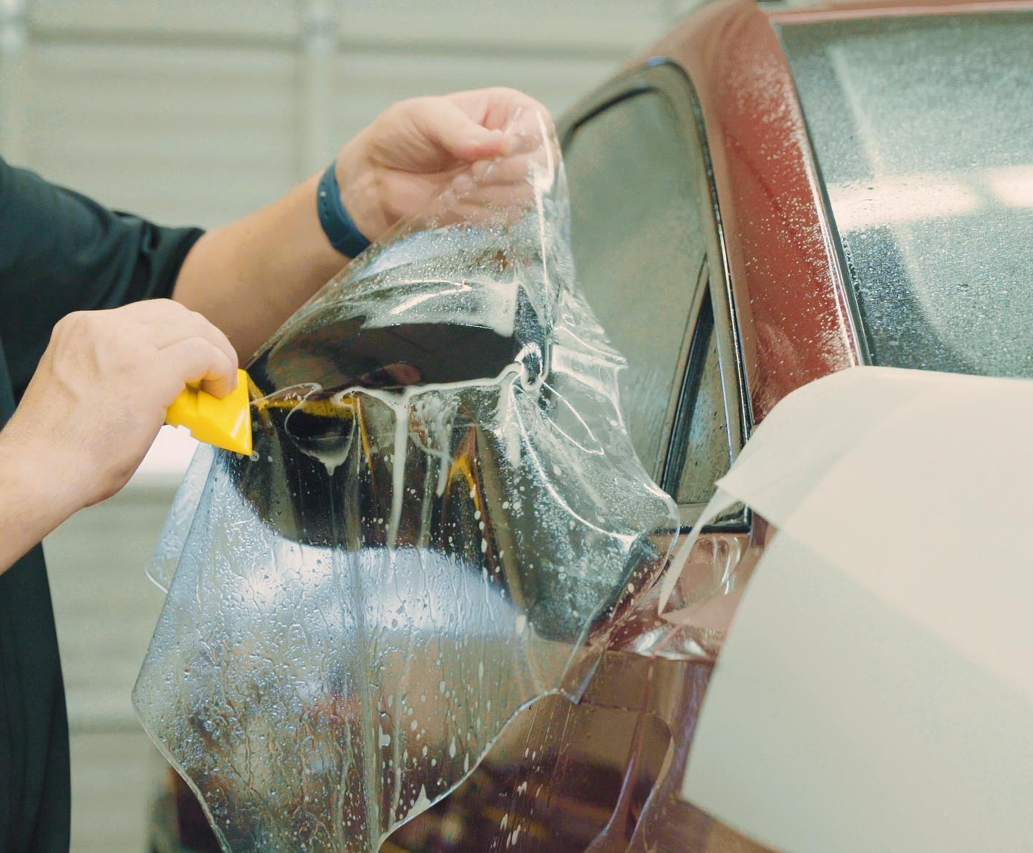
Applying PPF first is widely regarded as the more reliable approach. PPF serves as a strong physical barrier against rock chips, branch scrapes, and gravel abrasions, acting like a clear shield that absorbs damage before it reaches your paint. On its own, however, PPF lacks deeper chemical protection against environmental contaminants.
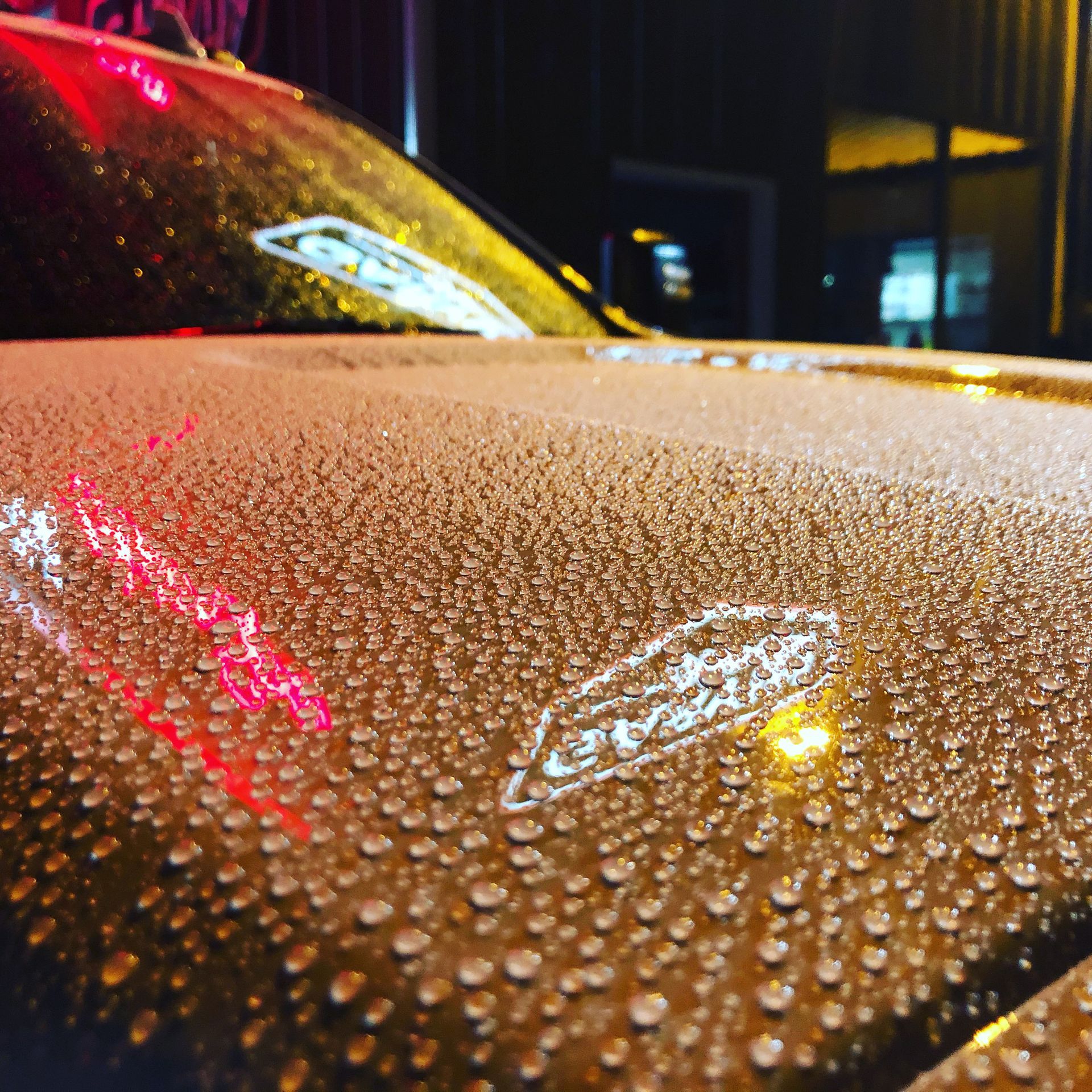
That's where ceramic coating comes in, applied after PPF installation. Ceramic coatings add chemical resistance and hydrophobic qualities that cause water and dirt to bead right off, making it easier to clean away bird droppings, tree sap, and bug stains. When applied over PPF, the ceramic layer enhances gloss and resists staining on the film itself, extending both beauty and durability.
Applying ceramic coating after PPF also avoids adhesion issues. The ceramic layer creates a slick surface that can interfere with PPF's adhesive strength, causing premature peeling or edge lifting. PPF adhesion drops significantly when applied over uncured or incompatible coatings, which is why most professionals recommend applying film to a clean, uncoated surface.
| Aspect | Ceramic Coating Before PPF | Ceramic Coating After PPF |
|---|---|---|
| Adhesion to Paint/Film | Risk of poor bond if uncured | Strong bond; no interference |
| Protection Type | Chemical resistance under film | Chemical + mechanical protection on top |
| Maintenance Ease | Moderate; may complicate repairs | Easier; film protected and enhanced |
| Durability | Longer beneath film (if fully cured) | 2-5 years typical on film surface |
| Application Preparation Time | Requires curing time (24-48 hours) | Can be done immediately or soon after film installation |
Most professional detailers, including the team at Garvin Auto Spa, advise applying PPF first, followed by a quality ceramic coating designed for film surfaces, such as Gtechniq HALO. Many shops now safely apply ceramic coating within hours or days after PPF installation once edges are properly heat-sealed. If you're considering multiple protective layers, discuss timing and compatible products with your installer upfront, since not all coatings and films behave identically.
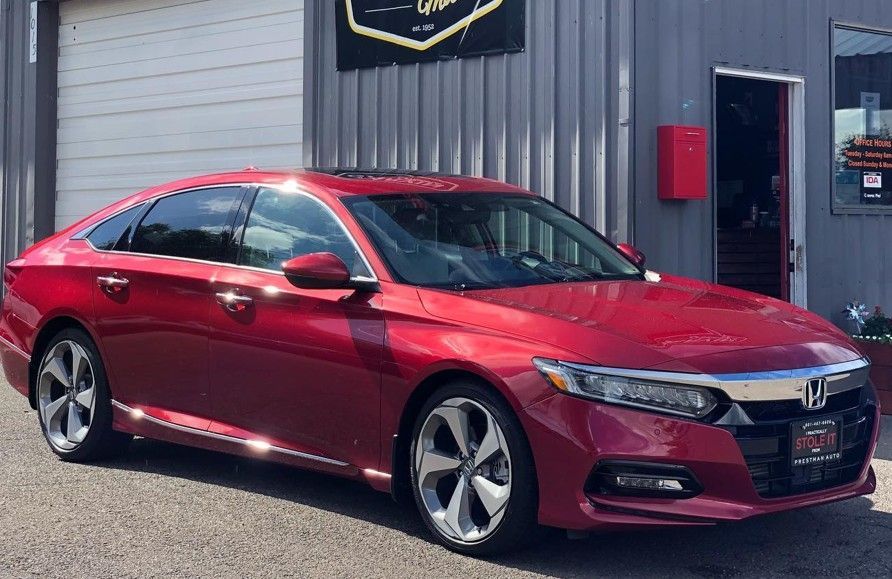
Pros and Cons of Pre-PPF Ceramic Coating
Applying ceramic coating before PPF offers some genuine benefits. It creates a deep, reflective shine locked beneath the film, contributing to that depth and vibrancy enthusiasts seek. The hydrophobic layer also reduces dirt adhesion, making routine washing easier. For vehicles exposed to acid rain, bird droppings, and tree sap, this chemical barrier ahead of the film adds an extra layer of defense for the paint.
However, the drawbacks are significant. Auto ceramic coating interfere with the adhesive bond PPF needs for proper adherence. Even minor traces of ceramics on the surface compel installers to strip or polish extensively before applying film, a time-consuming and costly process that can partially negate expected savings. If poor adhesion weakens the film bond, you could see reduced durability in areas most exposed to gravel impacts and road hazards.
| Aspect | Advantages | Disadvantages |
|---|---|---|
| Gloss & Appearance | Deep shine locked under PPF | None significant |
| Ease of Maintenance | Hydrophobic layer eases cleaning | May complicate initial PPF adherence |
| Chemical Resistance | Protects paint from contaminants | Potential need for stripping ceramics |
| Adhesion Quality | Smooth surface may help application | Risk of peeling if not prepared properly |
| Cost | Initial protection improves value | Extra labor increases total cost |
At Garvin Auto Spa, our process involves thorough polishing to remove all waxes or prior coatings before film installation, followed by precise ceramic coating installation on top of PPF. This sequence maximizes adhesion and durability without sacrificing aesthetics. Pre-PPF coating works only if you're committed to an exacting preparation regimen that ensures no residual coatings remain where film will be applied.
Pros and Cons of Post-PPF Ceramic Coating
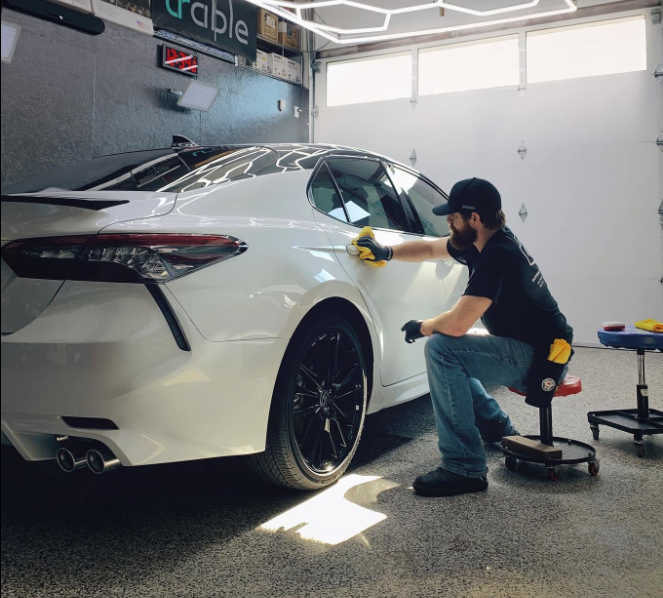
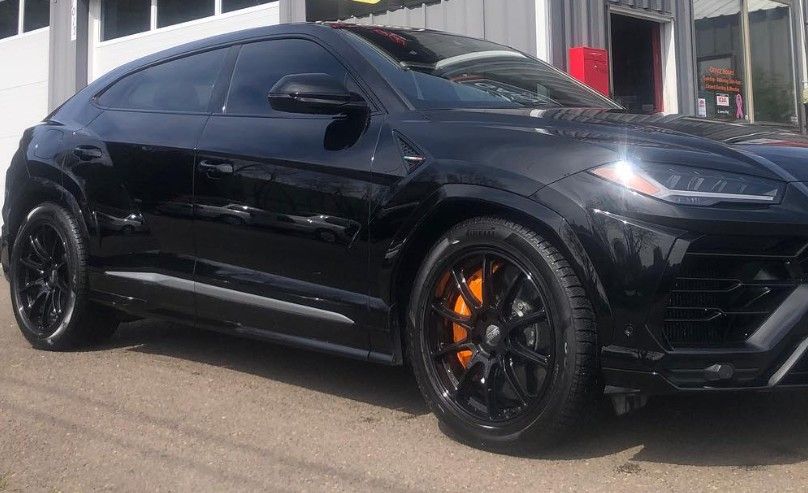
Post-PPF ceramic coating is widely regarded as the best approach for maximum vehicle defense. PPF handles the physical protection against chips and scratches, while the ceramic layer on top adds chemical resistance, UV shielding, and enhanced hydrophobicity. This combination extends the life of the PPF by reducing yellowing and surface degradation, while dramatically improving how easily water and dirt slide off.
Many vehicle owners who pair ceramic coating with PPF report noticeably less time spent on routine washing. The ceramic barrier also prevents contaminants from bonding permanently to the film surface, keeping the finish vibrant for longer.
The trade-offs include higher upfront cost from investing in two premium services and longer processing time, as each layer demands careful preparation and curing. This combined approach also requires professional installation, since improper application can damage film adhesive properties and void warranties on both products.
| Pros | Cons |
|---|---|
| Provides superior combined protection | Higher upfront cost due to two treatments |
| Adds strong hydrophobic properties | Longer total processing time required |
| Enhances durability against chemicals | Requires professional installation |
| Extends lifespan of both coatings | Repairs can be more complex with layers |
Installation Process: DIY vs Professional
DIY kits for PPF and ceramic coatings can seem appealing, but the payoff hinges on precise preparation and execution. PPF application demands a dust-free, temperature-controlled environment, steady hands, and proper alignment technique. Without these, trapped debris, bubbles, and premature edge lifting compromise both protection and appearance. Ceramic coating over PPF multiplies these challenges, requiring meticulous polishing and controlled application conditions.
Professional PPF installation typically takes one to three days, while ceramic coating adds another one to two days. Improper DIY applications risk voiding manufacturer warranties that professionals typically guarantee for five to ten years on PPF and up to five years on ceramic coatings.
Budget strategically by protecting the most vulnerable areas first: front bumper, hood, and mirrors. Once key zones are secured, ceramic coating adds gloss, easier cleaning, and chemical resistance. Quality ceramic coatings last years with minimal upkeep compared to frequent waxing. Location and local labor rates also influence pricing, and materials fluctuate based on supply chain factors and coating technology advancements. Start small if needed, but avoid cutting corners on surface preparation. A well-prepped surface is the backbone for lasting protection.
Professional Insights and Best Practices
The recommended approach is always PPF first, then ceramic coating on top. PPF needs to bond directly to your paintwork without interference, and ceramic coating applied afterward creates the hydrophobic, chemical-resistant layer that completes the defense system. Surface preparation must be spotless at every stage, as trapped dust or oils cause bubbling and reduce durability.
| Best Practice | Why It Matters |
|---|---|
| Apply PPF before ceramic coating | Ensures maximum adhesive strength |
| Professional surface preparation | Prevents adhesion issues and bubbles |
| Ceramic coating over PPF | Enhances hydrophobic properties |
| Applications in clean settings | Maximizes bonding and longevity |
| Follow maintenance routines | Extends life and look of both layers |
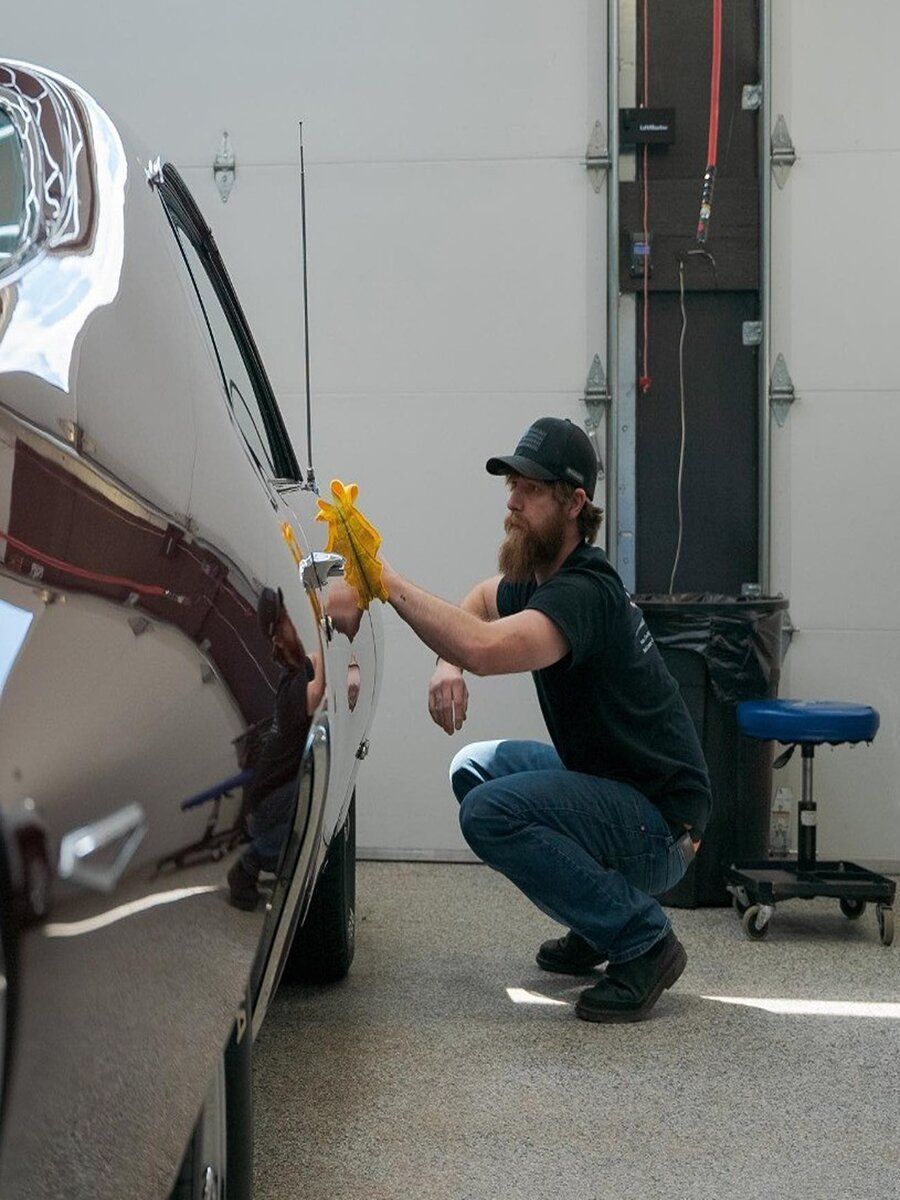
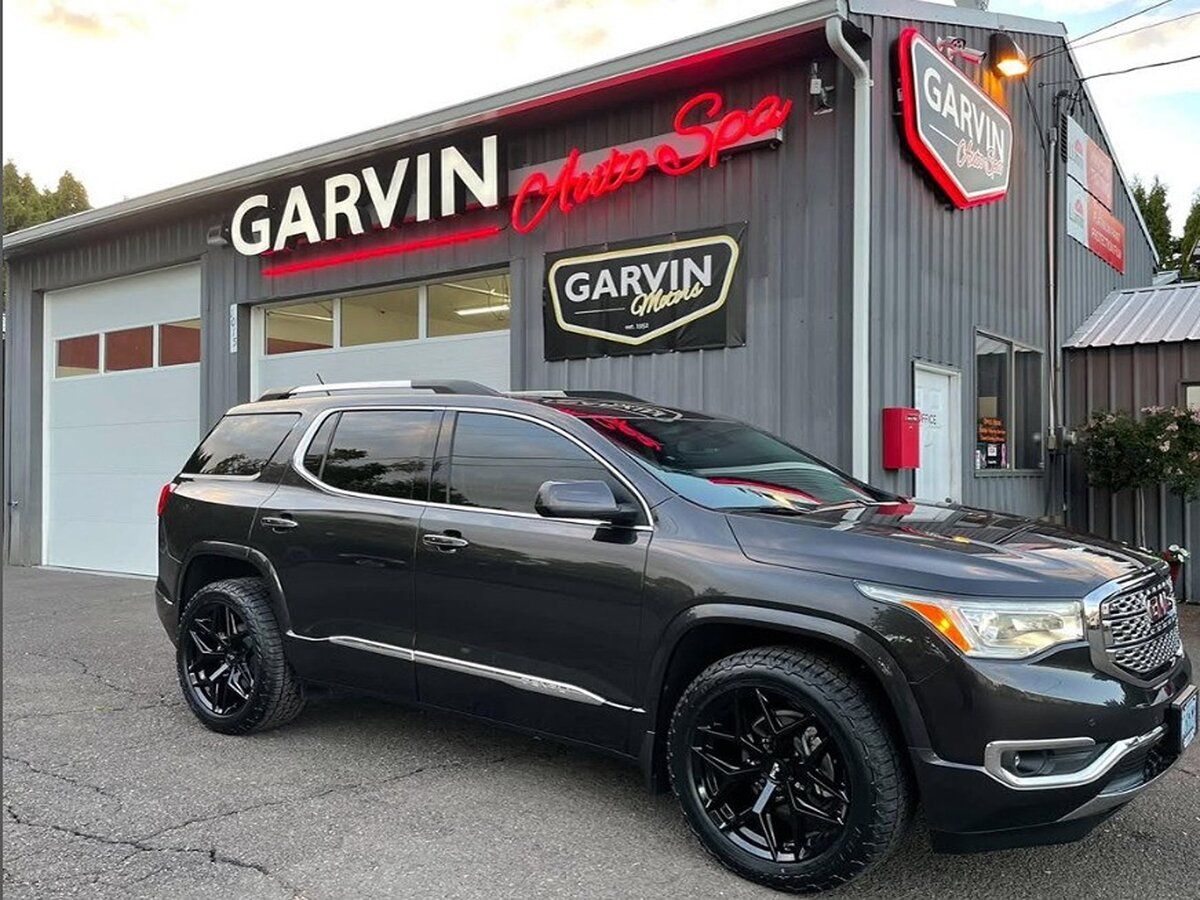
At Garvin Auto Spa, our technicians follow manufacturer guidelines precisely, ensuring each layer performs as intended. Protecting your vehicle with both PPF and ceramic coating in the right order is a smart investment in its future beauty and durability.
Get the Most from Your PPF and Ceramic Coating Investment
Choosing the right installation order is just as important as choosing the protection itself. By combining car paint protection film with a professionally applied ceramic coating, you can maximize your vehicle's defense against rock chips, UV exposure, road grime, and everyday wear while keeping it looking cleaner and glossier for longer.
At Garvin Auto Spa, our experienced team can recommend the ideal protection package for your vehicle and ensure every layer is installed for maximum performance and longevity.
Call us at 503-472-4278 to schedule a consultation and protect your vehicle with confidence.
Related FAQs
Can ceramic coating be applied immediately after PPF installation?
In many cases, yes. Modern PPF products can often be coated within hours or a few days after installation, depending on the film manufacturer and installer recommendations. Following the prescribed curing period helps ensure optimal adhesion and performance.
Does ceramic coating make PPF self-healing?
No. The self-healing properties come from the PPF itself, not the ceramic coating. However, ceramic coating helps keep the film cleaner, reduces staining, and enhances overall surface performance.
Will ceramic coating improve the appearance of PPF?
Yes. Applying ceramic coating over PPF can increase gloss, improve clarity, and create a smoother finish. It also helps water and contaminants slide off more easily, keeping the vehicle looking cleaner.
Can I apply ceramic coating only to the PPF-covered areas?
Yes, but many vehicle owners choose to coat the entire exterior for a uniform appearance and consistent protection. A professional installer can recommend the best approach based on your coverage and budget.
Does ceramic coating replace the need for PPF?
No. Ceramic coating and PPF serve different purposes. PPF protects against physical damage such as rock chips and scratches, while ceramic coating provides chemical resistance, UV protection, and easier maintenance. Together, they offer more complete protection.
What happens if my PPF needs to be replaced later?
If a section of PPF becomes damaged and needs replacement, the ceramic coating on that area will typically be removed along with the film. After new PPF is installed, the replacement section can be recoated to match the rest of the vehicle.
Can ceramic coating help prevent PPF from yellowing?
A quality ceramic coating can help reduce the buildup of contaminants and UV-related degradation that contribute to discoloration over time, helping the film maintain its appearance longer.
How long does a ceramic coating last on top of PPF?
Depending on the coating product, driving conditions, and maintenance routine, ceramic coatings applied over PPF can typically last between 2 and 5 years before requiring reapplication or maintenance.
Is paint correction necessary before installing PPF and ceramic coating?
Paint correction is highly recommended if the vehicle has swirl marks, scratches, or other imperfections. Since both PPF and ceramic coatings can lock in the appearance of the paint underneath, correcting defects beforehand delivers the best results.
Does combining PPF and ceramic coating increase resale value?
While resale value depends on multiple factors, maintaining the original paint condition with PPF and ceramic coating can make a vehicle more appealing to potential buyers and help preserve its overall value.