Does Paint Protection Film Yellow Over Time? Understanding Its Lifespan and Quality
Paint protection film (PPF) is a popular way to keep your car’s paint looking fresh and protected from the elements, but one question many people ask is whether the film itself can turn yellow over time. If you’re considering PPF for your vehicle, you might wonder how long it really lasts, what causes it to lose its clear appearance, and whether the investment is worth it. This article breaks down how different materials perform, what factors lead to yellowing, and how you can ensure your investment stays clear and protective for years to come.
High-quality paint protection films, especially those made from modern TPU materials, are designed to resist yellowing and typically maintain their clarity for at least 10 years. Yellowing is generally a sign of lower-grade or improperly installed films, exposure to harsh environmental factors, or accumulated contaminants, so choosing premium products and regular maintenance are key to preventing discoloration.
Types of Paint Protection Film Materials
Paint protection film primarily comes in two material types: thermoplastic polyurethane (TPU) and polyvinyl chloride (PVC). These materials serve as the foundation for how well a film performs, particularly regarding durability, flexibility, and resistance to yellowing. TPU has emerged as the favored choice among reputable brands because of its combination of physical resilience and optical clarity over time. Unlike PVC, TPU actively resists the harmful effects of UV radiation that often cause cheaper films to degrade and discolor.
TPU’s unique chemical structure makes it flexible enough to conform around curves yet tough enough to withstand abrasion and minor impacts. TPU films often incorporate advanced UV inhibitors that slow down yellowing or brittleness. A TPU-based PPF can typically protect your vehicle’s finish for 5 to 10 years without noticeable yellowing.
PVC films are less expensive upfront but more prone to chemical changes under environmental stress, especially extended sunlight exposure. Over time, this results in an unwanted yellow tint that stands out dramatically on light-colored cars. PVC usually offers a shorter lifespan of around 2 to 3 years before replacement becomes necessary.
Premium Variations: Ceramic-Enhanced and Self-Healing Films
Newer formulations like ceramic-enhanced polyurethane films include microscopic ceramic particles that significantly boost UV resistance and heat management, pushing expected lifespans up to 7 to 12 years. Self-healing polyurethane films incorporate polymers that repair minor scratches automatically when exposed to warmth.
Selecting from these materials depends on your budget, vehicle usage patterns, and geographic location. Greater sun exposure means faster degradation for lower-quality films. Many instances of apparent “yellowing” may actually stem from surface contaminants or dirt buildup rather than true film degradation, so proper maintenance plays a role regardless of material choice.
Causes of Yellowing
UV Exposure and Oxidation
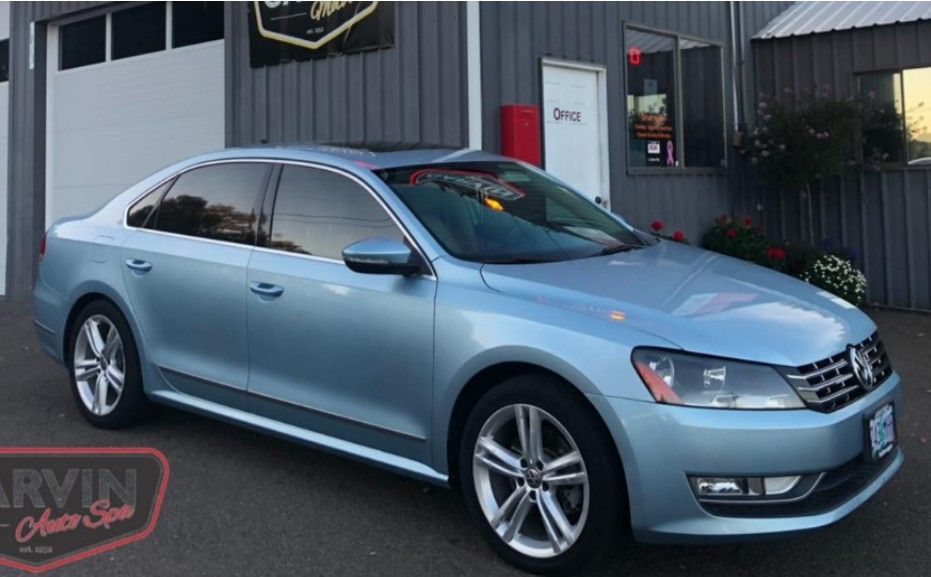
Prolonged exposure to ultraviolet (UV) light is the foremost reason PPF yellows. UV rays slowly break down chemical bonds within the film’s surface, changing its clarity and creating a yellow cast. Studies show that after just 1,000 hours of UV exposure, films can see a 15-25% increase in yellowing index (YI).
Oxidation also plays a role. Over five years, the polyurethane layer within most films oxidizes and can contribute an additional 10-20% increase in yellowing. This is the film reacting with oxygen in the air, a slow chemical process that gradually dulls its crystal-clear look.
Environmental Contaminants
Environmental contaminants accumulate on your PPF’s surface. Tiny particles from pollution (nitrogen oxides, ozone) and road grime cling stubbornly and react chemically with the film. Acidic bird droppings or acid rain corrode protective layers bit by bit. Urban dwellers often notice this effect because their cars face this hostile cocktail daily.
Heat Degradation
Temperatures exceeding 60°C (140°F), which can occur in parking garages or under intense sunlight, accelerate thermal degradation of the film. This molecular breakdown pushes yellowing rates up by 5-10% annually. Thinner films suffer more because they offer less shielding against temperature spikes. Films thicker than eight mils resist yellowing about 20% better over three years.
Best Practices to Prevent Yellowing
Choose Quality Materials and Professional Installation
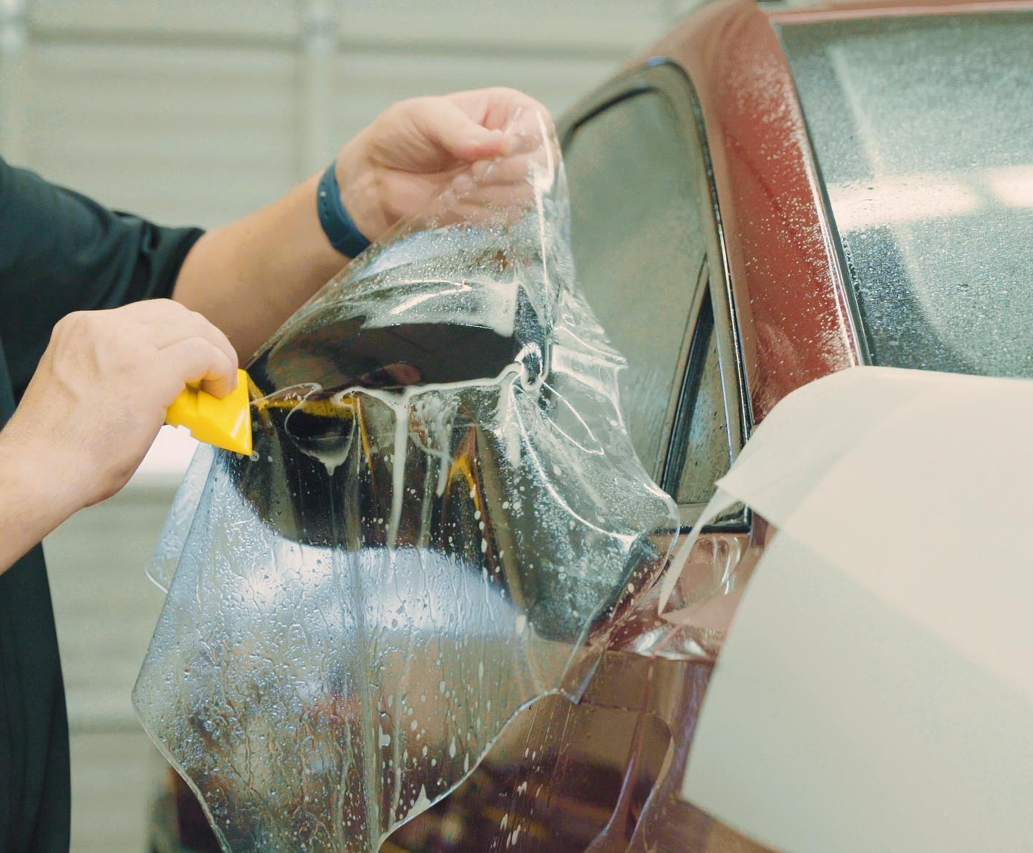
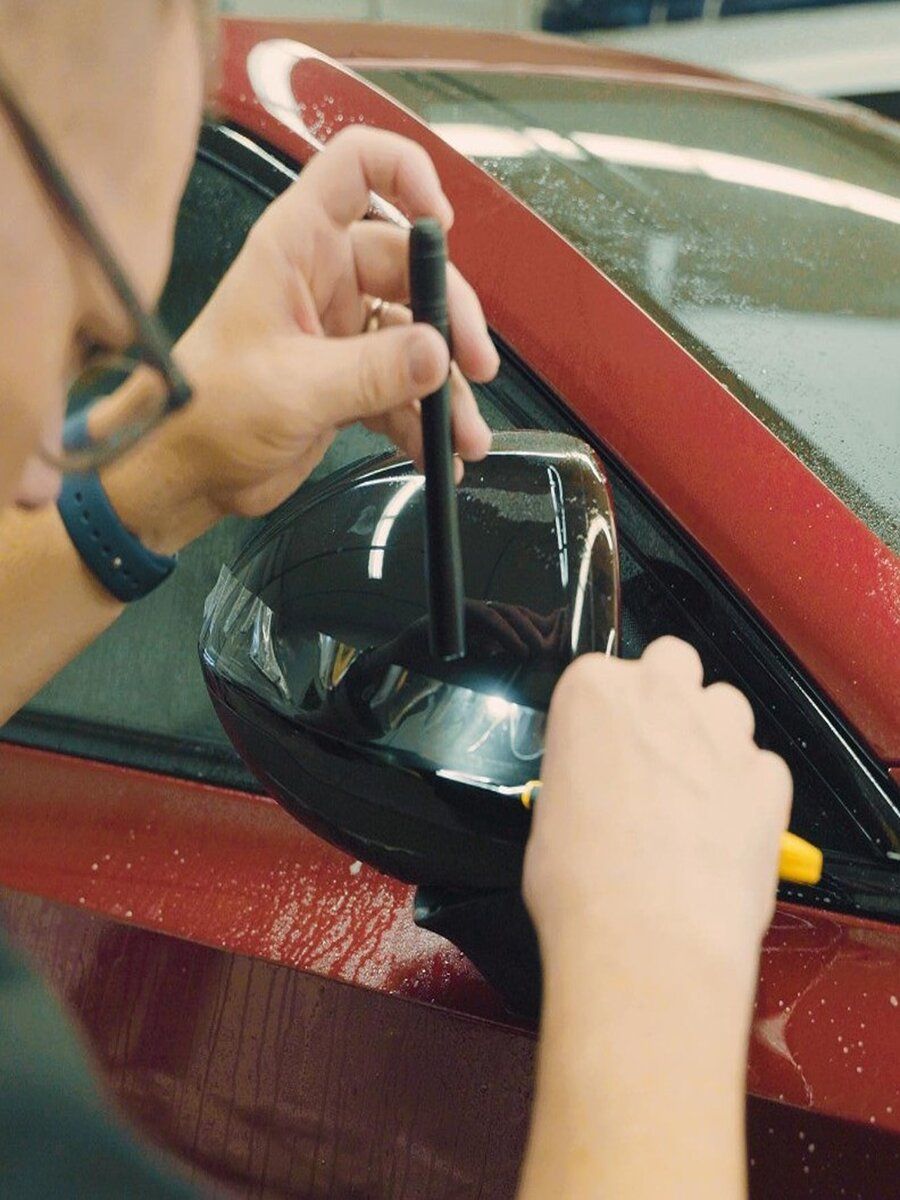
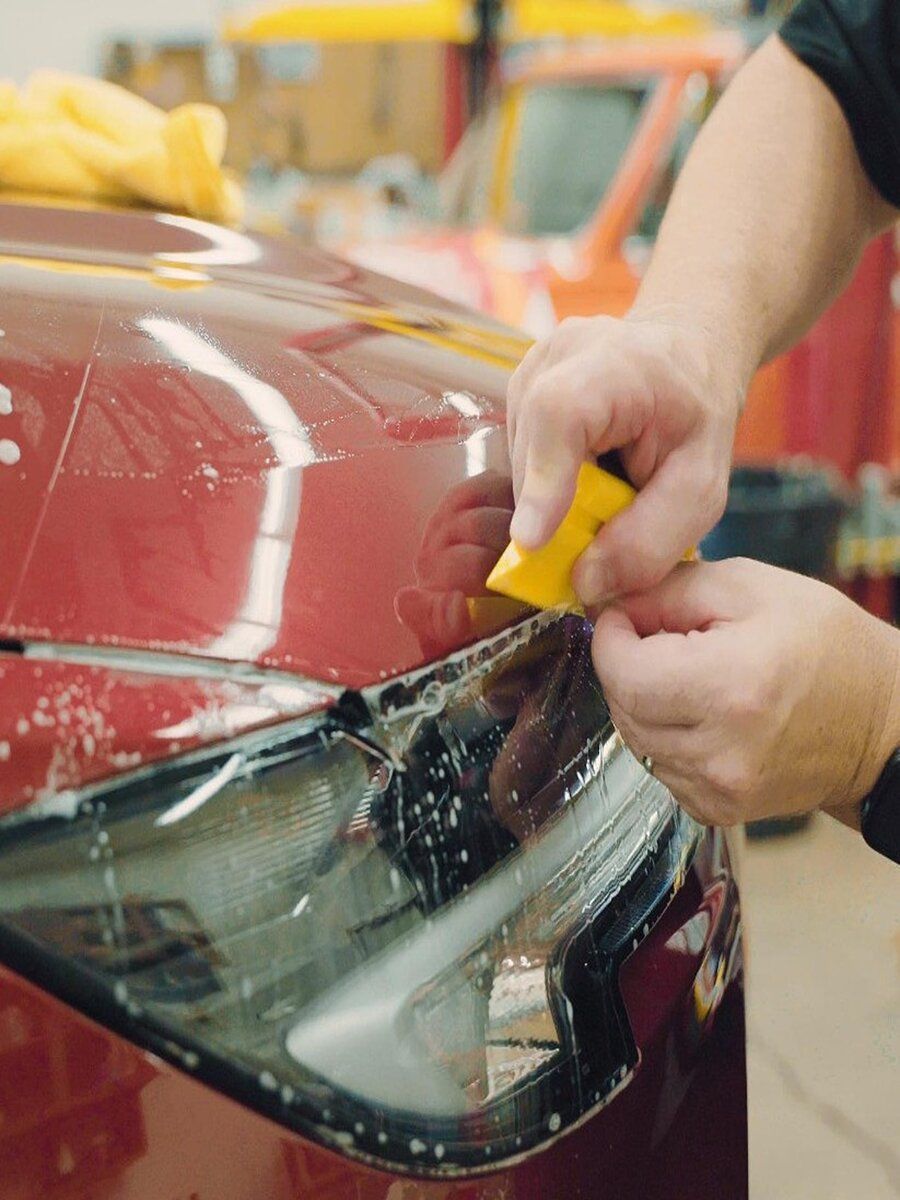
Selecting films from reputable manufacturers like 3M, XPEL, or SunTek ensures access to advanced materials designed to resist UV degradation. These companies produce films with built-in stabilizers and self-healing properties. Professional installation eliminates trapped air bubbles, prevents contamination, and ensures complete adhesion across every contour of your vehicle’s surface.
Regular Maintenance
Regular washing is essential but must be done correctly. Use pH-neutral car shampoo specifically formulated for automotive finishes and always opt for microfiber towels. Harsh chemicals can degrade the film’s protective coating over time, while abrasive materials scratch the surface unnecessarily. Touchless or hand washing methods are preferred over automated brushes that may cause micro-abrasions through repeated contact.
Immediate stain removal prevents long-term damage from environmental contaminants. Bird droppings, tree sap, or bug splatter are often acidic or sticky. If left sitting on the film’s surface for extended periods, they bond chemically and create permanent discoloration or etching. A quick rinse followed by gentle cleaning with appropriate products keeps these hazards from becoming serious problems.
Park strategically in shaded or covered areas whenever possible to minimize direct UV exposure. If indoor parking isn’t feasible, a quality car cover for long-term storage provides extra defense.
Schedule inspections every few months to examine your PPF for signs of lifting at edges, bubbling, or subtle changes in clarity that might indicate contamination buildup or degradation.
Lifespan and Durability Insights
The lifespan of paint protection film is influenced by material quality, environmental conditions, and maintenance habits.
Premium TPU films from some major brands typically last 7 to 10 years before significant yellowing occurs. This longevity is backed by manufacturers’ warranties that often guarantee protection for up to a decade. PVC films generally only withstand 2 to 3 years before signs of wear appear. TPU films are more flexible, resist cracking, and carry self-healing features that help minor scratches disappear with heat exposure.
Environmental conditions significantly impact durability. Cars in desert regions experience intensified UV rays that accelerate yellowing of lower-quality films. Even in moderate climates, exposure to acid rain, road salts, and frequent off-road driving contribute to wear.
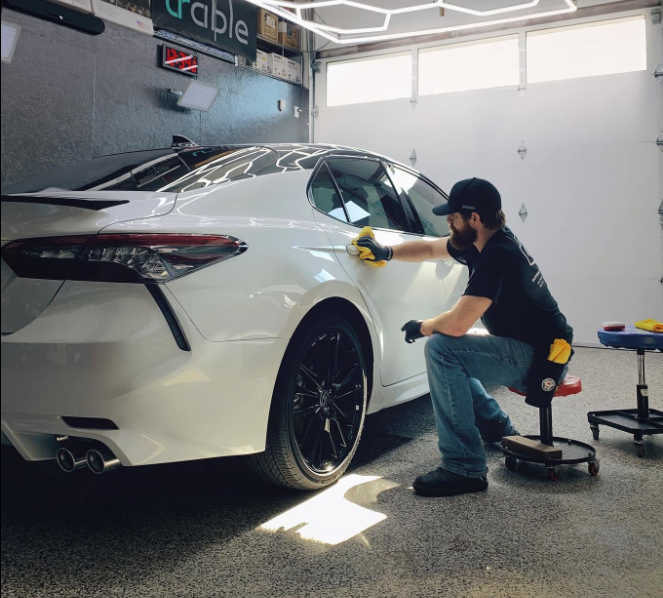
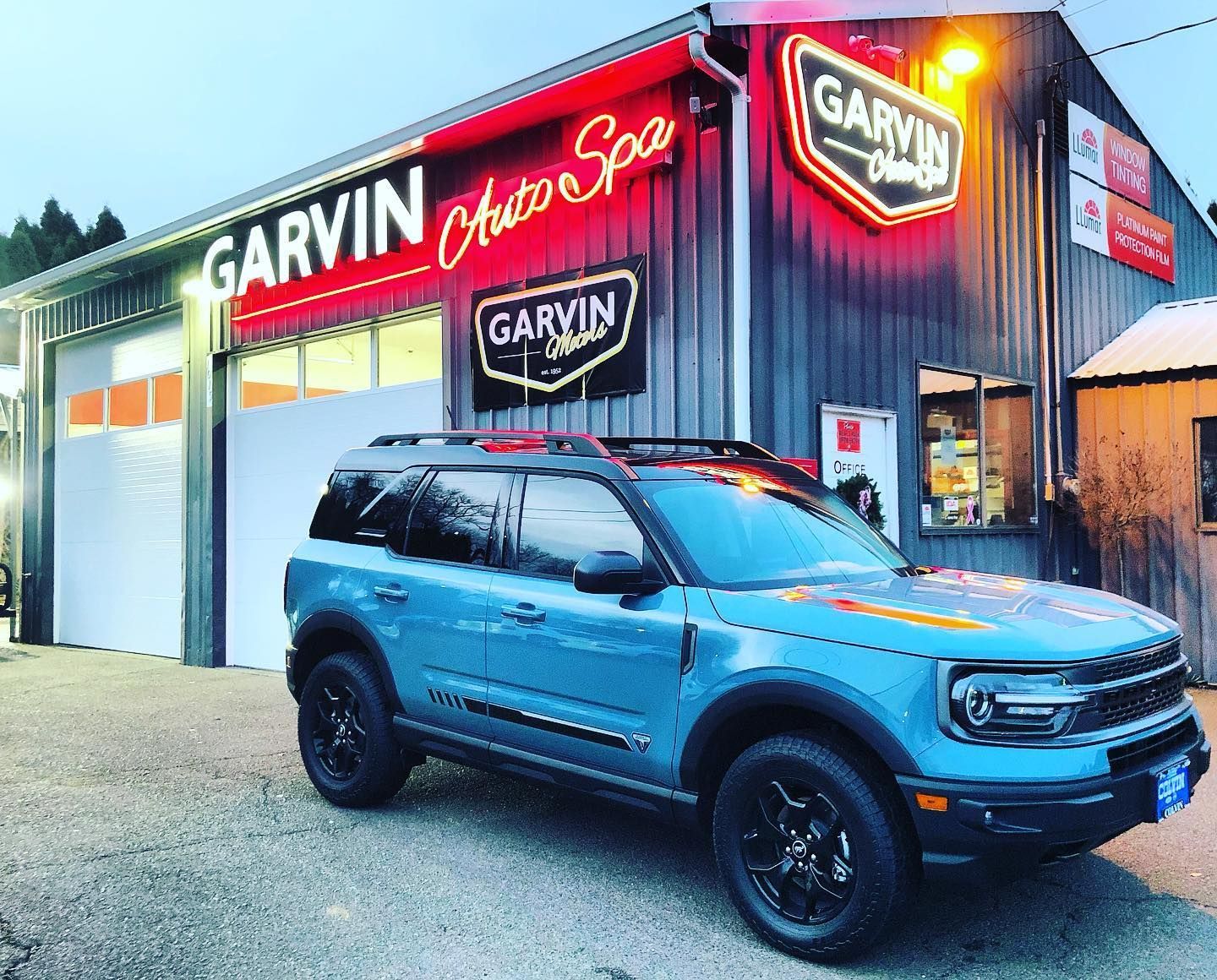
At Garvin Auto Spa, we emphasize professional installation paired with sound maintenance practices. This combination extends the lifespan of your PPF well beyond average expectations.
Pros and Cons of Paint Protection Film
Advantages
PPF offers impressive protection against everyday hazards like scratches from gravel, minor bumps, or bird droppings that might otherwise etch or chip your paint. Whether you’re driving a luxury car or daily driver, keeping that factory finish intact preserves both looks and value.
PPF maintains your car’s appearance with minimal effort. Self-healing properties mean small scratches literally disappear after exposure to moderate heat. For owners planning to sell or trade in their vehicles, pristine paint protected by PPF can boost resale value, offering tangible return on investment.
Disadvantages
The initial cost can be steep, ranging from $1,000 to $3,500 depending on car size and coverage area. While premium brands provide superior longevity and warranty support, the upfront price may deter some owners.
PPF requires regular maintenance. It’s not a set-it-and-forget-it product. Regular washing and careful upkeep are needed to prevent contaminants from adhering to the film’s surface and to spot potential issues like lifting edges early on.
Yellowing remains a concern with cheaper or poorly installed films. Lower-grade films made from PVC often show discoloration within a couple of years due to UV damage and environmental exposure. That yellow tint starkly contrasts on lighter cars, giving a dull, aged look. Choosing reputable installers who use modern TPU-based films backed by strong warranties significantly reduces this risk.
Protect Your Investment Today
Not all paint protection films are created equal. Choosing the right material and installer makes the difference between years of crystal-clear protection and early yellowing. At Garvin Auto Spa, we use premium TPU-based PPF and proven installation techniques to ensure long-lasting clarity and durability.
Schedule a consultation today to learn which PPF option best fits your vehicle, driving habits, and environment. Call 503-472-4278 to schedule a consultation to protect your paint the right way.