Paint protection film keeps rock chips off your hood, keeps your paint from fading, and keeps the car looking close to how it did the day you picked it up. The question most drivers get stuck on is how much of the vehicle to cover. Front end only, full coverage, or something between? Here is how the options actually differ and how to match one to your car and your driving.
The short version: front end coverage protects the panels that take almost all of the road damage, at the lowest cost and the shortest shop time. Full coverage protects everything, including the panels that get hit less often but cost the most to repaint. Most drivers land somewhere in the middle, and the right answer depends on how you drive, how long you plan to keep the car, and what you want to spend.
Comparing Full Car and Front End Coverage
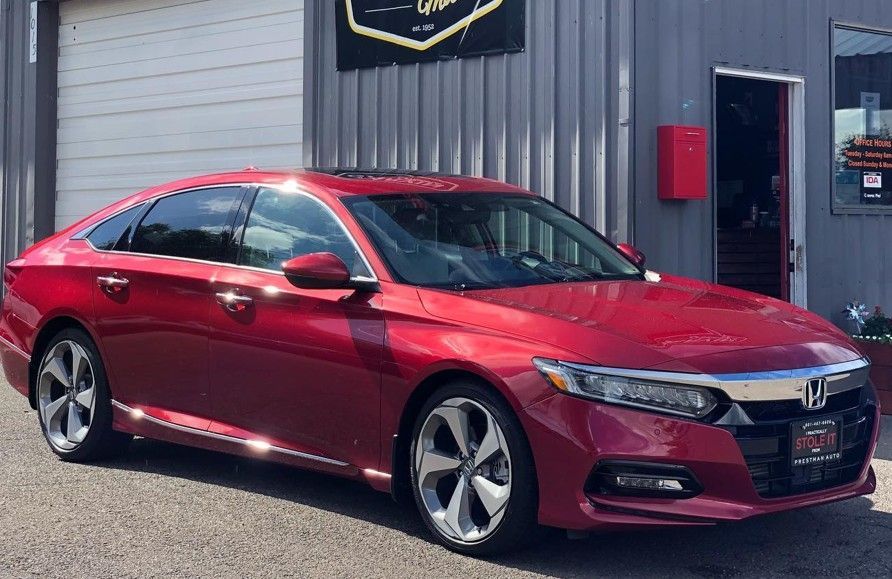
Full coverage PPF wraps essentially every painted surface: hood, fenders, doors, roof, mirrors, rocker panels, and both bumpers. Nothing is left exposed, so there is no visible line where protected paint meets unprotected paint.
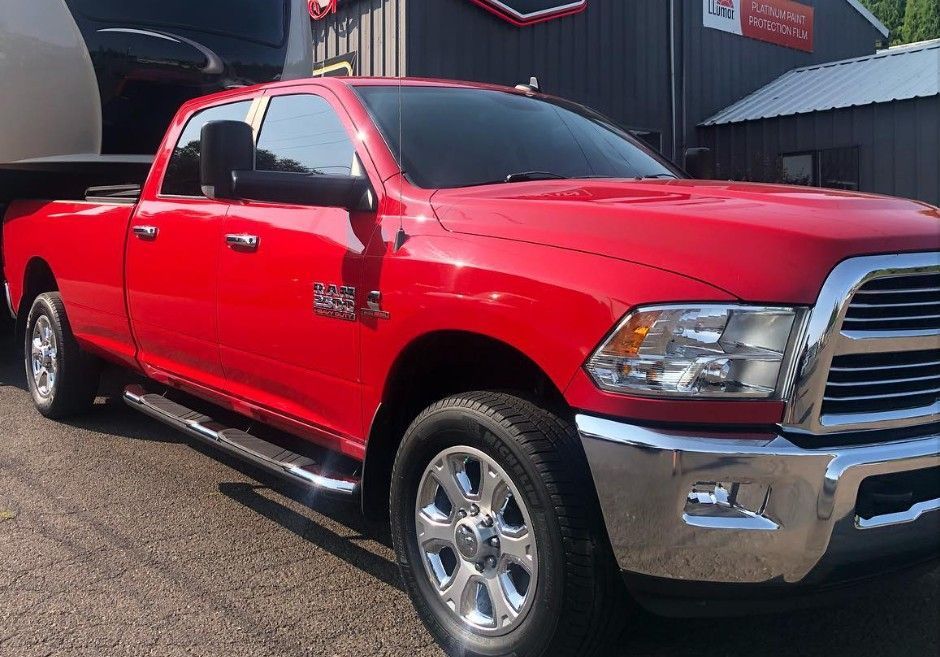
Front end coverage concentrates on the impact zone: the front bumper, hood, front fenders, and mirrors, where gravel, bugs, and road spray land at speed. It is a smaller area, it goes on faster, and it costs considerably less, while still covering the panels most likely to get chipped.
The trade off is not protection versus no protection. It is targeted spending versus complete spending. Front end coverage handles the damage you are most likely to get. Full coverage also handles the damage you are less likely to get but would hate to pay for, like a scraped door edge, a scratched roof from a branch, or rocker panels sandblasted by winter grit.
There is one appearance consideration worth knowing. On partial coverage, a careful installer wraps edges so the film line is hard to spot, but over years of sun exposure the covered and uncovered paint can age at slightly different rates. Full coverage removes that variable.
| Factor | Front End Coverage | Full Coverage |
|---|---|---|
| Panels protected | Highest impact front panels | Essentially every painted surface |
| Shop time | Shorter | Longer |
| Cost | Lower | Higher |
| Appearance over time | Slight aging difference possible | Uniform across the vehicle |
| Best for | Daily drivers, shorter ownership | Long ownership, gravel and highway miles |
What Each Level of Coverage Actually Includes
At Garvin Auto Spa, we build coverage as a ladder rather than a single choice, so you can protect what matters most to you at the level you want to spend. Our paint protection film packages are:
The Basic, 1/3 Front. Front bumper, partial hood, mirrors, partial front fenders, and door edge guards. This is the entry point and it still covers the highest impact surfaces.
The Protector, Full Front. Front bumper, full hood, mirrors, full front fenders, and door edge guards. Full hood coverage means no film line across the middle of the hood, which is the most common reason drivers step up from the Basic. A rear trunk ledge add on starts at $200.
Track Pack, Full Front with Rockers. Front bumper, full hood, full front fenders, rocker panels, and door edge guards. Rocker panels take a beating from gravel thrown by your own tires, so this is the package we point highway and rural drivers toward.
The Preservationist. Front and rear bumper, full hood, mirrors, full front fenders, rocker panels, trunk, door edge guards, tail lights, full rear fenders, all doors, and roof. This is the full coverage option for owners who want the vehicle protected end to end.
Pricing depends on the vehicle, since a compact sedan and a full size truck do not use the same amount of film or labor hours. We quote each vehicle individually, and the estimate is free.
Self Healing and the Everyday Benefits
The film we install is LLumar VALOR, available in gloss and matte, and it is designed to last an average of 12 years with proper maintenance. It is a thermoplastic urethane, not vinyl, which is what gives it both its impact absorption and its self healing behavior.
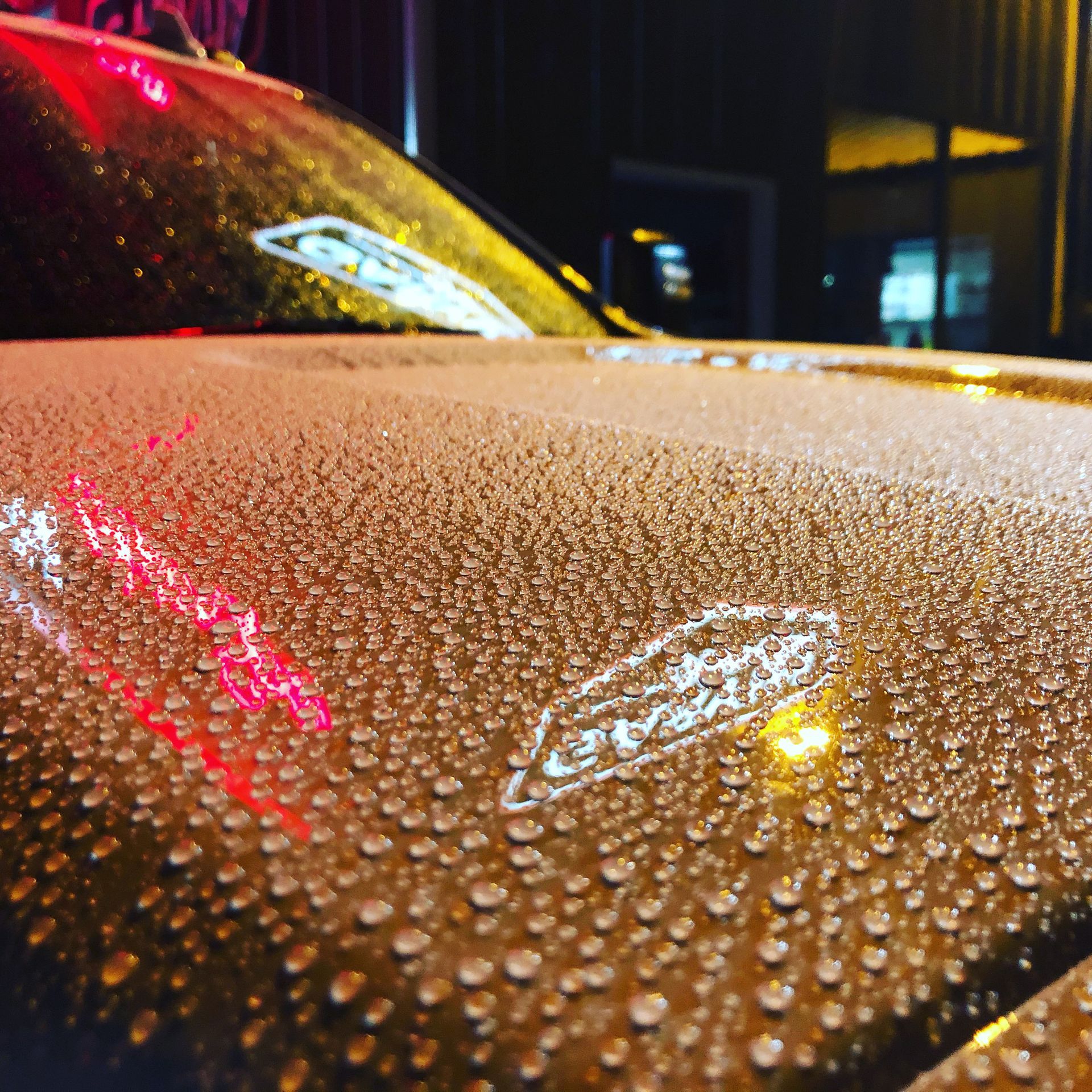
Self healing means light surface marks, the kind you get from a car wash brush or a fingernail near the door handle, close up on their own with warmth. Deeper cuts through the film do not heal, but the everyday scuffs that would otherwise dull your finish tend to disappear.
Beyond scratches, the film puts a physical barrier between your paint and the things that ruin it: rock strikes, bug residue, bird droppings, tree sap, road grit, and UV exposure. It also keeps the surface easier to wash.
Many owners pair PPF with a ceramic coating applied over the top. The film handles impact, the coating adds gloss and makes the surface easier to clean. Neither replaces the other.
What Drives the Cost
Two vehicles rarely cost the same to wrap. The variables that move the number are coverage level, vehicle size, and body complexity. A car with deep bumper contours, wide fender flares, or lots of trim takes more film and more labor than a simple, flat panel design.
It helps to compare the cost against what you are avoiding. Repainting a single hood or bumper to factory standard is not a small bill, and blended repaint work almost never matches the original finish exactly. Chips also cost you at trade in, in the form of a lower appraisal. PPF is an upfront investment that reduces paint repairs, reduces exterior detailing costs, and helps hold resale value.
If budget is the constraint, start at the coverage level you can do properly rather than spreading a cheaper film across more of the car.
Installation and Aftercare
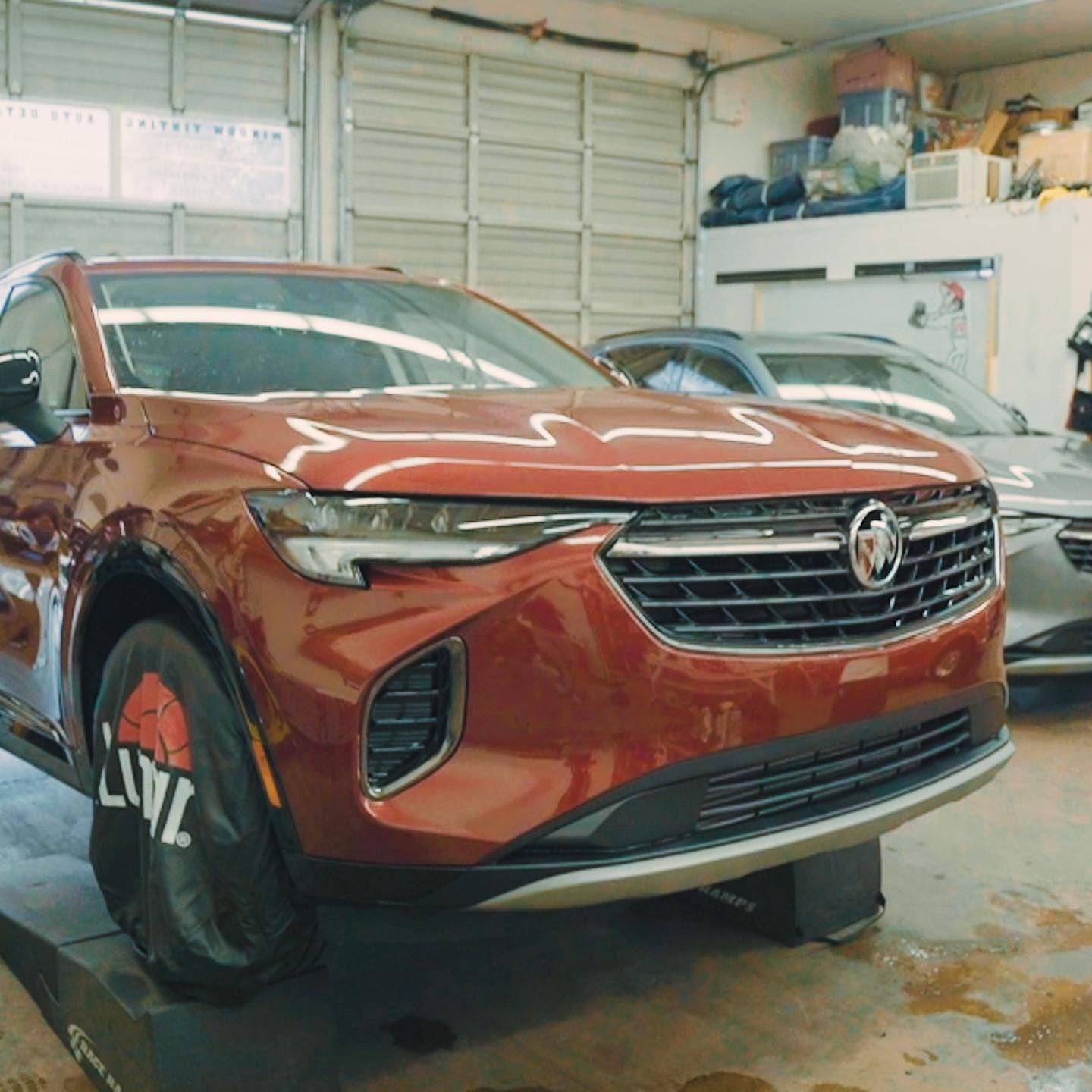
Coverage level drives shop time. Front end packages are a shorter job than full coverage, which involves far more panels and edge work. We will give you a realistic timeline when we quote your vehicle.
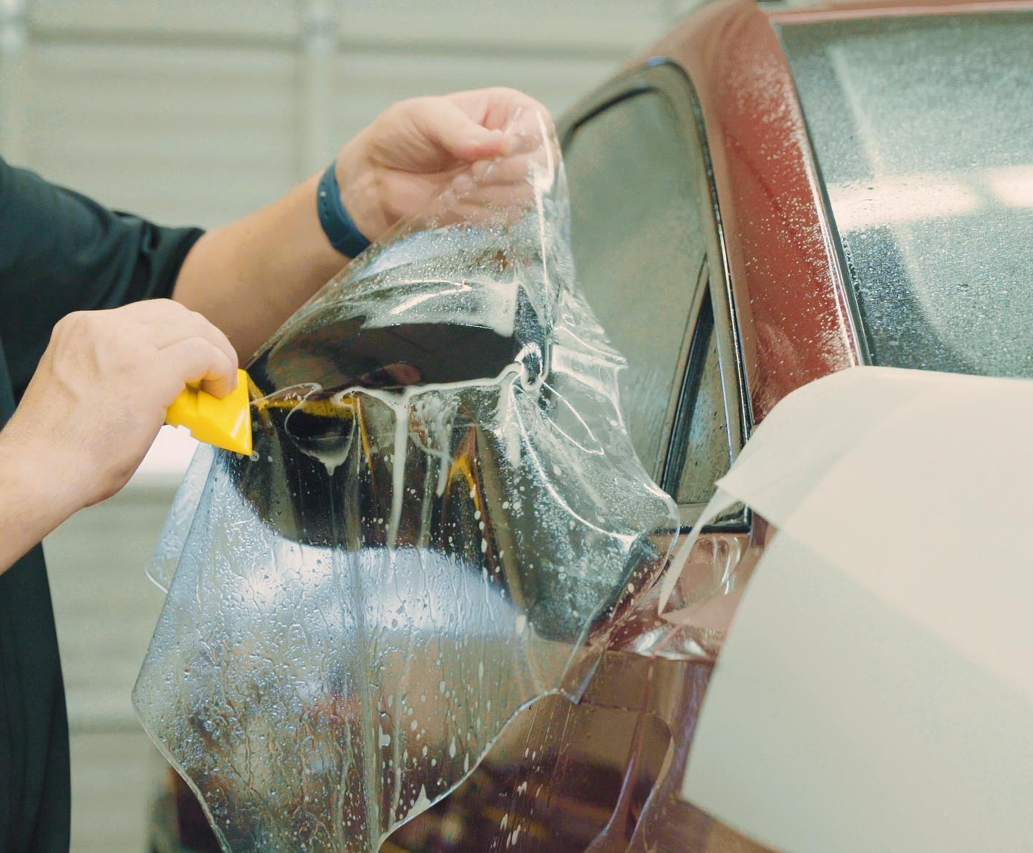
The install itself is detailed work. Every panel is cleaned and decontaminated first, because anything left on the paint gets sealed under the film. The film is then form fit to the curves of the panel and the edges are wrapped where the design allows.
Aftercare is straightforward. Give the film time to cure fully before washing, and avoid pressure washing close to the edges. Use a pH neutral car shampoo and clean microfiber, skip anything abrasive or solvent based, and hand wash rather than running through a brush style automatic wash. If you notice an edge lifting or a bubble forming, bring it in early. A small adhesion issue is a quick fix, while a neglected one can take a whole panel with it. Our PPF maintenance guide covers the routine in more detail.
Choosing Based on How and Where You Drive
Where you drive should carry more weight here than what your car cost.
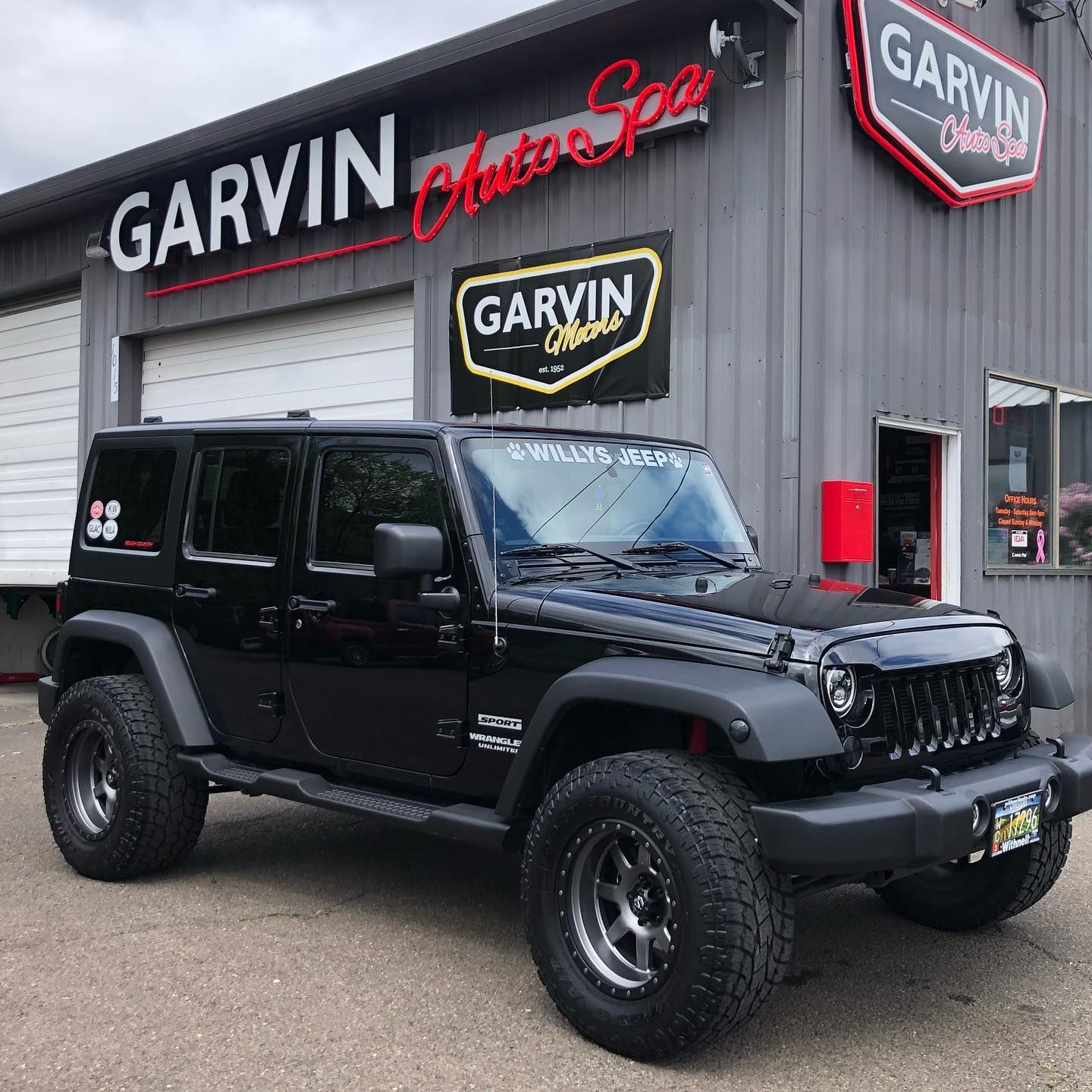
If your miles are mostly on Highway 99W, Highway 18, or the rural and gravel roads around Yamhill County, you are getting hit from more than one direction. Gravel comes off the vehicle ahead of you into the hood and bumper, and your own tires throw grit back into the rocker panels and lower doors. That is why we point drivers who commute or tow out of the valley toward full front coverage with rockers.
If you mostly drive in town, park in a garage, and rarely put in long highway stretches, front end coverage typically does the job. Your risk is concentrated in the front, and the rest of the car sees far less abuse.
Wet Pacific Northwest winters add another consideration. Constant road spray carries grit against the lower panels for months at a time, so if your vehicle lives outside year round, coverage below the beltline earns its cost.
Finally, think about how long you plan to keep the vehicle. If you are trading in within a couple of years, front end coverage protects the panels a buyer looks at first. If this is a truck, a weekend car, or something you intend to keep for a decade, fuller coverage is easier to justify.
Get a Free Quote on Your Vehicle
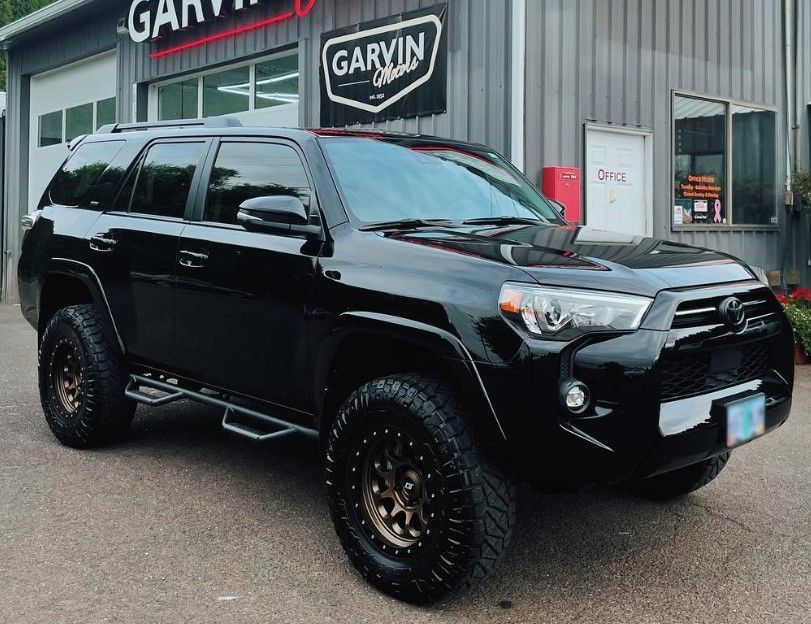
The most useful next step is having someone look at the actual car. Coverage that makes sense for a lifted truck on gravel is different from what makes sense for a garaged sedan.
Bring your vehicle to Garvin Auto Spa at 1015 NE Highway 99W in McMinnville and we will walk the panels with you, talk through which package fits how you actually drive, and give you a free price estimate with no obligation. We have been protecting vehicles in Yamhill County since 2008, and our team is IDA certified.
Call 503-472-4278 or request your free quote online. We serve McMinnville, Newberg, Dundee, Dayton, Carlton, Amity, and the surrounding communities.
Frequently Asked Questions
Is front end PPF enough, or should I do the whole car?
For most daily drivers, front end coverage handles the majority of the risk, since the front of the vehicle absorbs most road debris. Full coverage makes more sense for long term ownership, frequent gravel or highway driving, or vehicles where paint repair would be expensive to match.
How long does paint protection film last?
The LLumar VALOR film we install is designed to last an average of 12 years with proper maintenance. Hand washing, avoiding harsh chemicals, and addressing edge lifting early all extend that life.
Will the film change how my car looks?
Professionally installed PPF is designed to be virtually invisible. It preserves your original paint color and finish, and we offer both gloss and matte VALOR options so it matches the look you want.
Can I add more coverage later?
Yes. Many owners start with front end coverage and add rockers, a trunk ledge, or more panels later. Building up over time is a practical way to spread out the investment.
Does PPF actually help resale value?
It helps in two ways. The paint underneath stays in better condition, which shows in an appraisal, and you avoid the repair and touch up costs that chips and etching would otherwise create.
Should I get ceramic coating instead of PPF?
They do different jobs. Ceramic coating adds gloss, water repellency, and easier cleaning, but it will not stop a rock chip. PPF absorbs impact. If you want both, we can apply a coating over the film.