OEM vs Aftermarket Windshield: Which Is Best for Your Car's Quality and Cost?
Choosing between an OEM and an aftermarket windshield is rarely as simple as picking the cheaper option. Your windshield is a structural component, and on most newer cars it also holds the cameras behind features like automatic emergency braking and lane departure warnings. Choose the wrong glass, or have the right glass installed poorly, and you can end up paying twice or driving with safety systems that no longer read the road correctly.
The short version: OEM windshields are built to your vehicle's original specifications, which makes fit and sensor compatibility predictable, though they cost more and can take longer to source. Aftermarket glass is more affordable and easier to get quickly, but quality varies by manufacturer. In both cases, the shop that installs the glass and calibrates your safety systems matters as much as the label on the box.
What Are OEM and Aftermarket Windshields?
OEM glass is made by, or for, the manufacturer that supplied your vehicle's original windshield. Every curve, thickness, shade band, and sensor bracket is built to the factory drawing, so the replacement returns your car to its original specification.
Aftermarket glass is produced by third party manufacturers that are not contracted by your automaker. It is designed to fit the same opening and do the same job, and any windshield sold for road use in the United States must meet federal glazing standards under FMVSS 205 and carry a DOT marking. Where aftermarket glass can differ is in optical clarity, thickness tolerance, bracket placement, and quality control from one supplier to the next.
There is also a middle category. Some glass is made by the same supplier that serves your automaker, on the same tooling, but sold without the carmaker's logo. It is called OEE, or original equipment equivalent, and it is often the practical answer for drivers who want factory level quality without dealer pricing.
Advantages of OEM Windshields
Precision is the strongest argument for OEM. The glass matches the original curvature and thickness exactly, so the urethane bead seats evenly, the trim lines up, and the camera bracket sits where the vehicle's software expects it. That matters more every model year, because cameras mounted behind the windshield feed lane keeping, adaptive cruise control, and automatic braking, and those systems are calibrated against a known glass geometry.
Material consistency is the second advantage. OEM windshields use laminated safety glass with an interlayer built to the automaker's specification, which supports predictable impact resistance and clean optical quality. Warranty terms can matter too, since some manufacturers prefer original parts for certain claims. If your vehicle is new or leased, read those terms first.
Drawbacks of OEM Windshields
Cost is the obvious one. OEM glass typically carries a meaningful premium over comparable aftermarket or OEE options, and for drivers paying out of pocket that gap can decide the question.
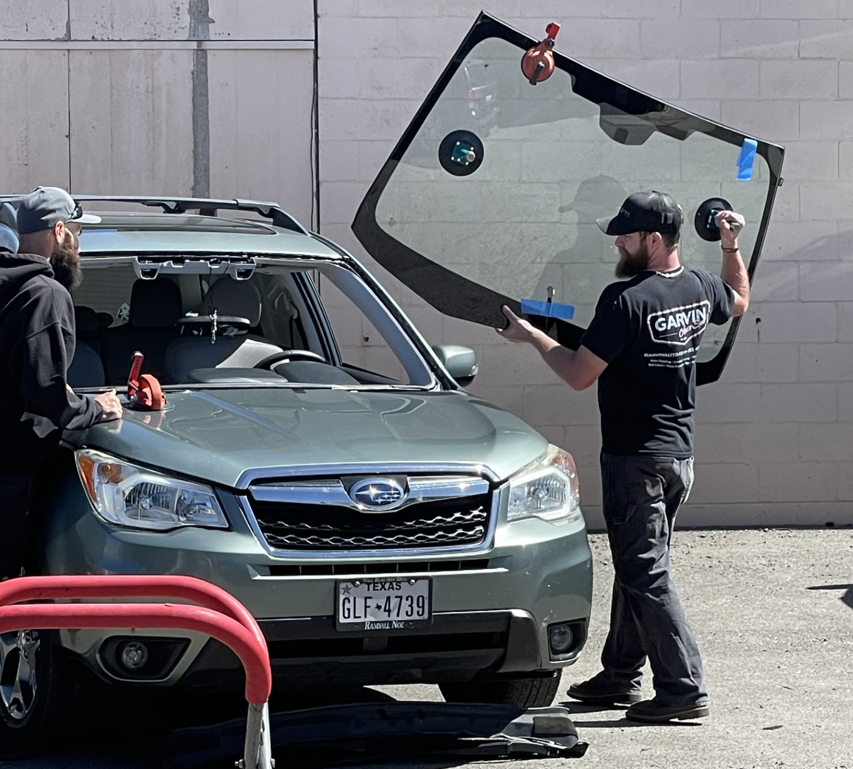
Availability is the less obvious problem, and often the more frustrating one. OEM windshields are produced in runs tied to specific vehicle programs, so supply for newer models, low volume trims, or vehicles with heated glass and acoustic interlayers can be tight. Waiting weeks for a part is not unusual, and that delay carries a real cost. A damaged windshield weakens the structure your roof and passenger airbag rely on in a collision, and a crack in your line of sight is a visibility problem every time you drive.
Benefits of Aftermarket Windshields
Affordability is the headline benefit, and it makes a real difference for older vehicles, higher deductibles, and drivers covering the cost themselves. It does not automatically mean compromise, either. Quality aftermarket windshields are laminated, DOT certified, and built to the same federal standards as the original, and they provide the same impact resistance and UV filtering you had before the damage.
Availability is the other advantage, and often the bigger one. Aftermarket suppliers hold broad inventory across wide distribution networks, so glass for a common vehicle is usually in reach within days rather than weeks. When your commute runs Highway 99W and the gravel shoulders around Yamhill County, getting back to a sealed, safe vehicle quickly has real value.
The caveat is that aftermarket quality is not uniform. It depends on which manufacturer produced the glass and which shop installs it, which is why the provider you choose matters.
Downsides of Aftermarket Windshields
The main drawback is variability. Some aftermarket glass matches factory geometry closely and some does not, and small differences in curvature or bracket position can cause wind noise, water intrusion at the edges, or distortion near the outer field of view. Those are more than annoyances, because a poor seal lets moisture reach the pinchweld and undermines the bond holding the glass in place.
Sensor and Calibration Considerations
Cameras and sensors mounted at the windshield rely on precise positioning and a clear, undistorted optical path. If replacement glass differs slightly in thickness, curvature, or bracket location, the camera can sit at a different angle than the software expects. The result is not usually a warning light. It is a system that reads lane markings or following distance slightly incorrectly, which is harder to notice and more concerning.
This is why calibration after replacement is not optional on an ADAS equipped vehicle, whichever glass you choose. Many shops replace the windshield and then send you to a second facility to calibrate it, adding another appointment and another chance for something to be missed. At Garvin Auto Spa, we handle Autel ADAS calibration in house, and we are the only independent shop in Yamhill County doing so with factory trained and certified glass technicians.
Warranty terms on aftermarket glass also vary by supplier and installer, so confirm what is covered before you book.
Quick Comparison
| Factor | OEM | Aftermarket |
|---|---|---|
| Cost | Higher, often significantly | More affordable |
| Availability | Can take weeks depending on model | Usually available quickly |
| Fit and finish | Matches factory specification | Varies by manufacturer |
| Sensor compatibility | Built to original geometry | Depends on the glass and the calibration |
| Warranty | Often tied to manufacturer terms | Varies by supplier and installer |
What Matters Most: Fit, Calibration, and Installation
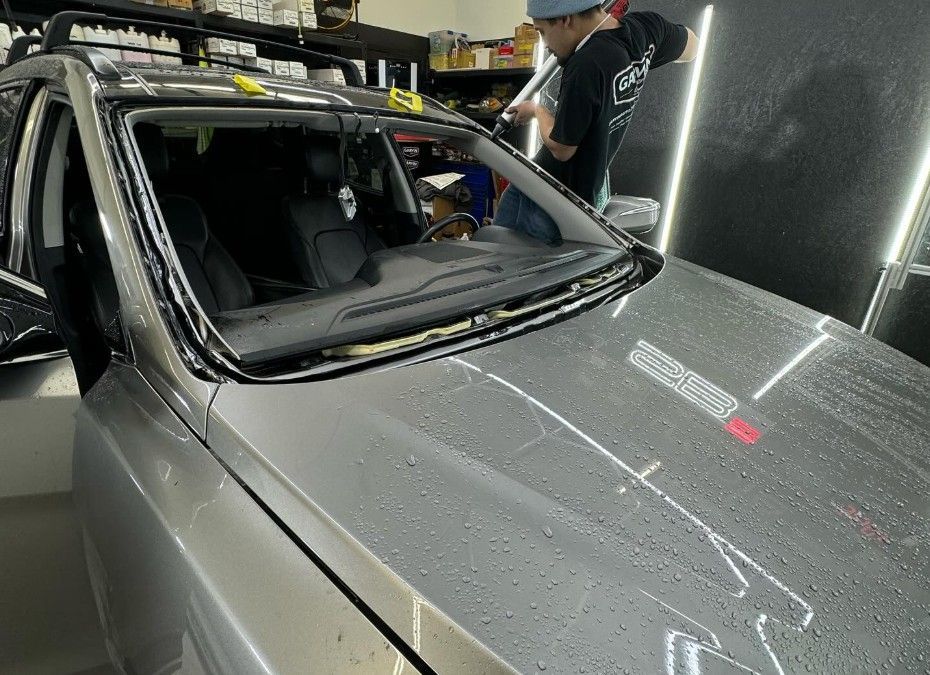
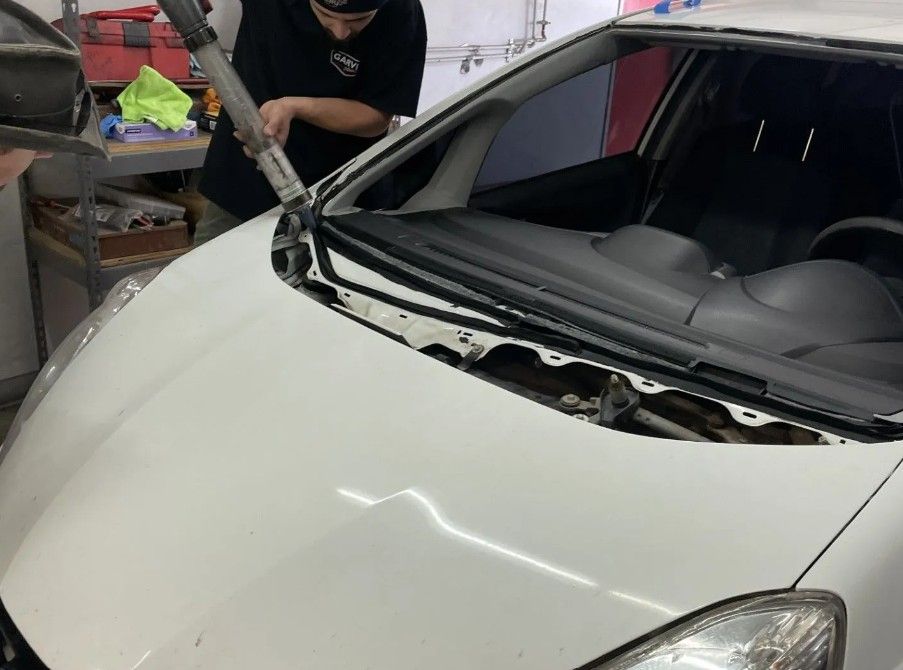
Most of the OEM versus aftermarket debate focuses on the glass and skips the part that decides the outcome. A correctly sourced windshield installed badly is worse than a well chosen aftermarket windshield installed properly. Installation quality determines whether the perimeter bond is continuous, whether the urethane gets the cure time it needs, and whether the glass sits accurately enough for the sensors behind it. Those are shop decisions rather than manufacturing decisions.
At Garvin Auto Spa, we work to find an exact match for your original glass, and our replacements are made to meet or exceed the original manufacturer's standards for durability, clarity, and safety. We prioritize quality over volume, and we calibrate ADAS in house on the same visit rather than sending you across town. We are also a registered shop with the major insurance billing clearinghouses, so if your policy covers the work, you can request Garvin Auto Spa and we will handle the billing.
For most drivers in Yamhill County, a quality matched windshield installed and calibrated correctly serves you better than waiting weeks for a logo.
Making the Best Decision for Your Car
Start with your vehicle. A newer car under factory warranty with a windshield mounted camera has different requirements than a ten year old commuter, so check whether yours has ADAS features and confirm your replacement includes calibration either way.
Then check your policy. Some comprehensive coverage pays for glass with a low deductible or none at all, and some policies specify which parts are covered, so a call to your insurer removes most of the guesswork about cost.
Finally, look at timing honestly. If waiting for a specific part means driving on a spreading crack for weeks, that is a safety decision rather than a savings decision.
Get a Straight Answer on Your Windshield
You do not have to sort this out on your own. Bring your vehicle to Garvin Auto Spa at 1015 NE Highway 99W in McMinnville and we will inspect the damage in person, tell you whether a rock chip repair will hold or a full replacement is the safer call, and give you a free price estimate before anything is scheduled. If your vehicle needs ADAS recalibration, we complete it in house on the same visit.
Call 503-472-4278 or request your free quote online. We serve McMinnville, Newberg, Dundee, Dayton, Carlton, Amity, and the surrounding Yamhill County communities.
Frequently Asked Questions
Is an aftermarket windshield safe?
Yes, provided it is quality glass installed correctly. All windshields sold for road use in the United States must meet federal glazing standards and carry a DOT marking. What varies is which manufacturer produced the glass, how carefully it is installed, and whether your safety systems are recalibrated afterward.
Will an aftermarket windshield affect my car's resale value?
For most vehicles, a properly installed replacement that matches the original glass has little effect on resale value. On newer luxury or collector vehicles, some buyers and appraisers do ask about original parts, so factor that in.
Does my insurance cover windshield replacement?
Often, yes. Glass claims usually fall under comprehensive coverage, and many policies carry a reduced deductible. Garvin Auto Spa is a registered shop with the major insurance billing clearinghouses, so you can request us and we will bill your insurer directly.
Do I need ADAS calibration after a windshield replacement?
If your vehicle has cameras or sensors mounted at the windshield, yes. Systems such as lane departure warning and automatic braking are aimed against a known glass position, and removing the windshield disturbs that reference. We perform Autel ADAS calibration in house at our McMinnville studio.
Can my rock chip be repaired instead of replaced?
Often it can, and repair is faster and less expensive. It depends on the size, depth, and location of the damage. As a general guide, chips and cracks smaller than a dollar bill can usually be repaired, while larger or more complex damage, or damage in the driver's line of sight, typically calls for replacement. We confirm this during an in person inspection.
How soon can I drive after a windshield replacement?
We recommend waiting at least one hour after the service so the urethane adhesive sets properly. That cure time is what restores the structural strength of the bond.