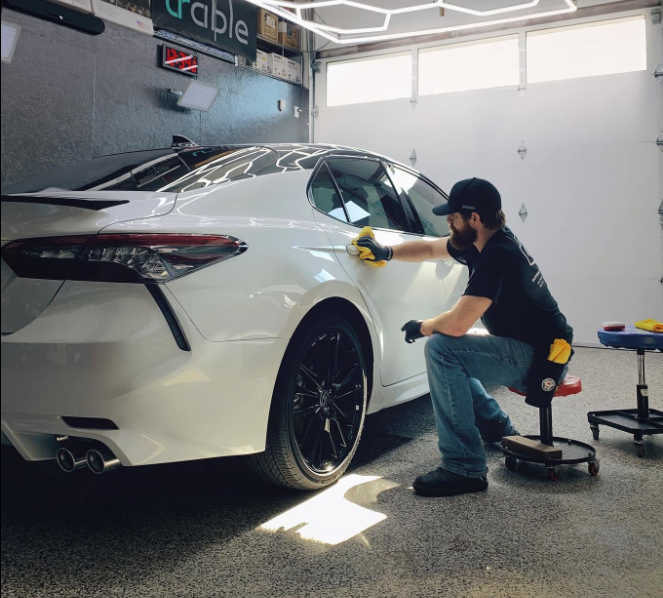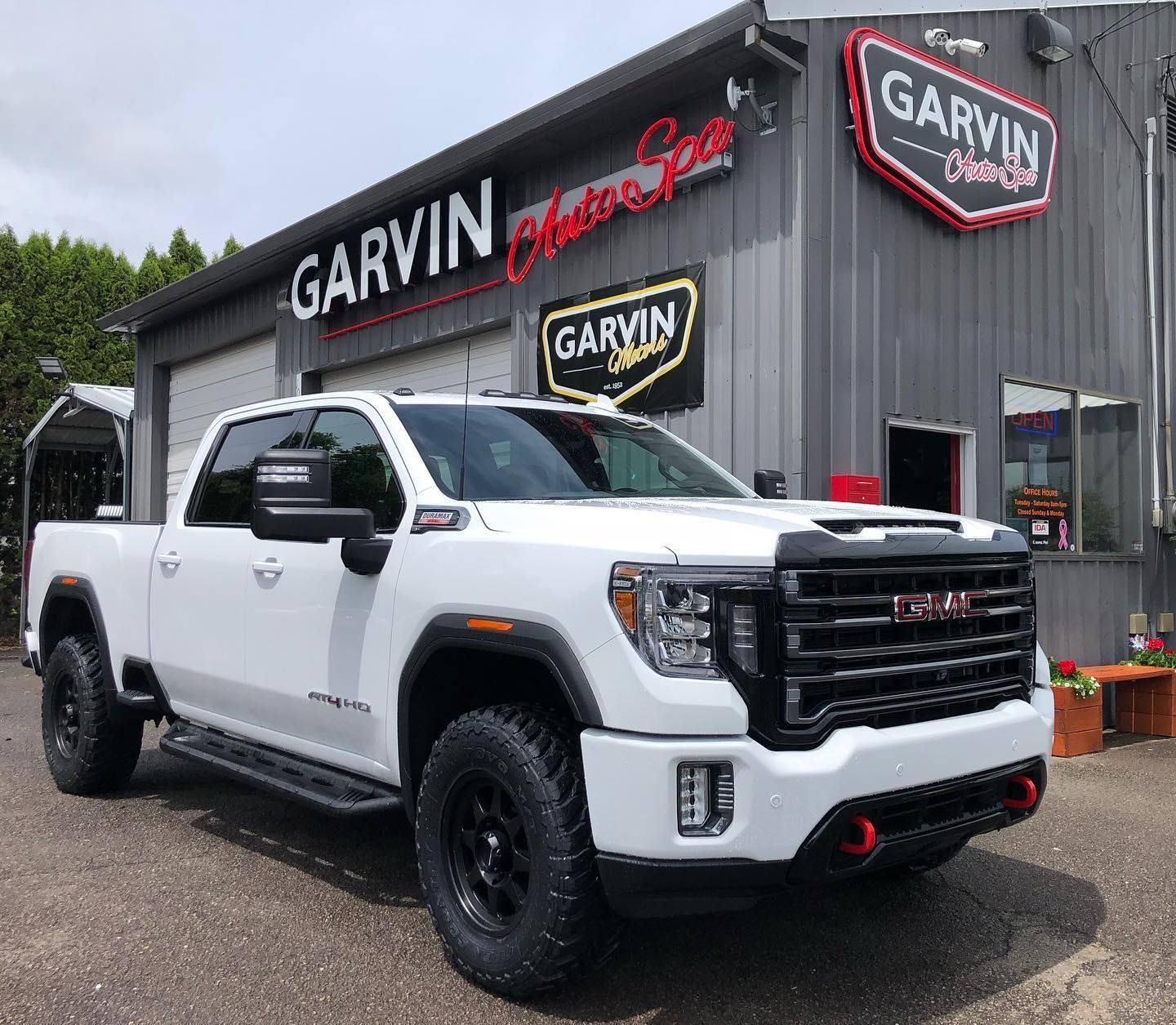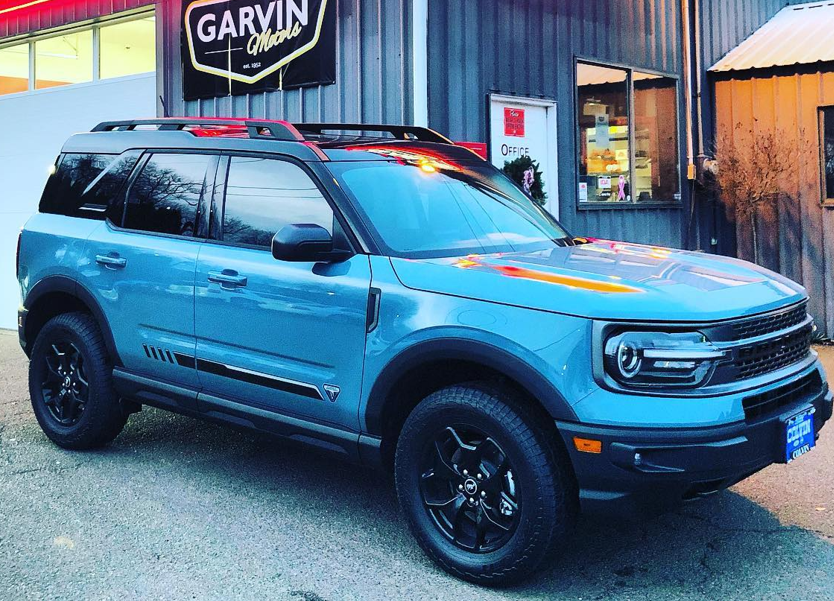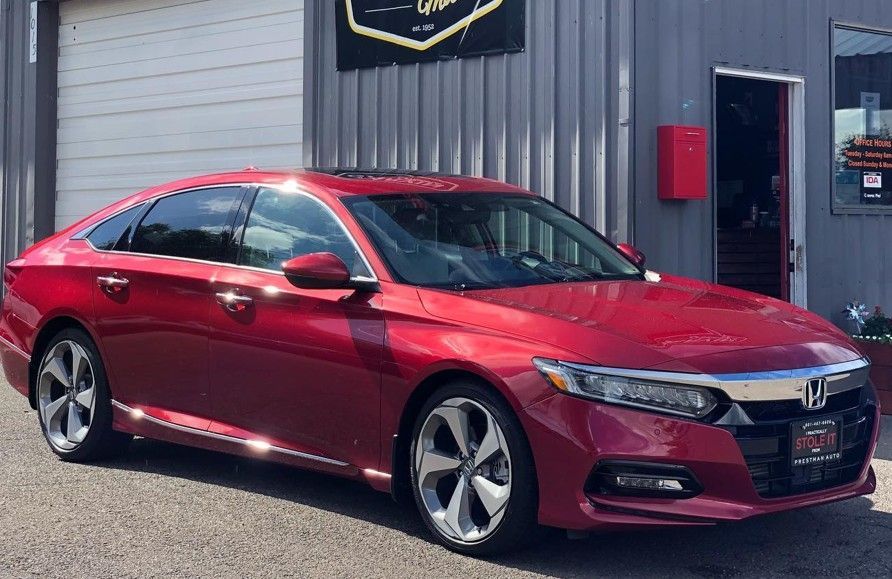
When it comes to maintaining your vehicle's appearance and protecting its paint from damage, Paint Protection Film (PPF) is one of the best solutions available. With advancements in automotive care, PPF provides a durable, nearly invisible layer that shields your vehicle from chips, UV rays, and road debris. But not all paint protection films are created equal, and choosing the right one for your car can be a crucial decision.
Understanding What Paint Protection Film Does
Paint Protection Film, sometimes called "clear bra," is a thermoplastic urethane film applied to the exterior surfaces of your vehicle. It acts as a protective barrier against minor abrasions, stone chips, and environmental damage. In addition to its protective qualities, modern PPF can have self-healing properties. PPF is typically applied to high-impact areas like the hood, front bumpers, side mirrors, and fenders but can be installed on the entire vehicle for full protection.
Evaluating Quality and Durability
When you think about the effectiveness of paint protection film, quality and durability should be at the forefront of your mind. Choosing a PPF isn't just about picking a random brand—it's about understanding what makes certain films stand out. Thicker films tend to provide superior impact resistance against typical road hazards like rock chips and minor abrasions. But thickness alone isn’t the entire story; it’s also essential to look into other indicators of quality.
Assessing durability goes beyond mere measurements; it's wise to consult customer reviews and manufacturer warranties before making a purchase. Reputable brands don't just claim resilience; they demonstrate it through extensive testing and robust warranties that guarantee long-term performance against UV damage and discoloration. This ensures your car's vibrant paint job will remain untarnished longer, saving you from potential costly repainting.
Before finalizing your choice, make sure the film aligns with automotive industry standards for durability. These standards can be your safeguard against future headaches, ensuring that you're investing in something that’s truly reliable.
With this understanding of what defines quality and durability, we can now turn our attention to specific features you should consider when selecting the right product for your needs.
Film Features and Benefits
Self-Healing Properties
One impressive feature of advanced PPF is its self-healing properties. When the film warms up—whether from sunlight or engine heat—the polymers within realign themselves. This means that regular wear from daily driving won’t lead to long-term damage to your vehicle’s appearance.
Another critical feature to consider is UV protection, which plays a vital role in maintaining the integrity of your car's aesthetics.
UV Protection
Protecting your car's paint from harmful ultraviolet rays is essential for preventing fading and deterioration over time. The sun's UV rays can significantly impact your vehicle’s exterior, causing colors to dull and fade. Brands offer enhanced UV resistance formulations in their PPFs, ensuring that the vibrancy of your paint remains intact even after prolonged exposure to sunlight. This feature also helps protect against oxidation—a process where the sun breaks down pigments in paint, leading to unsightly damage. Investing in a quality PPF with strong UV protection ultimately preserves not just the look but also the value of your vehicle.
Hydrophobic Topcoat
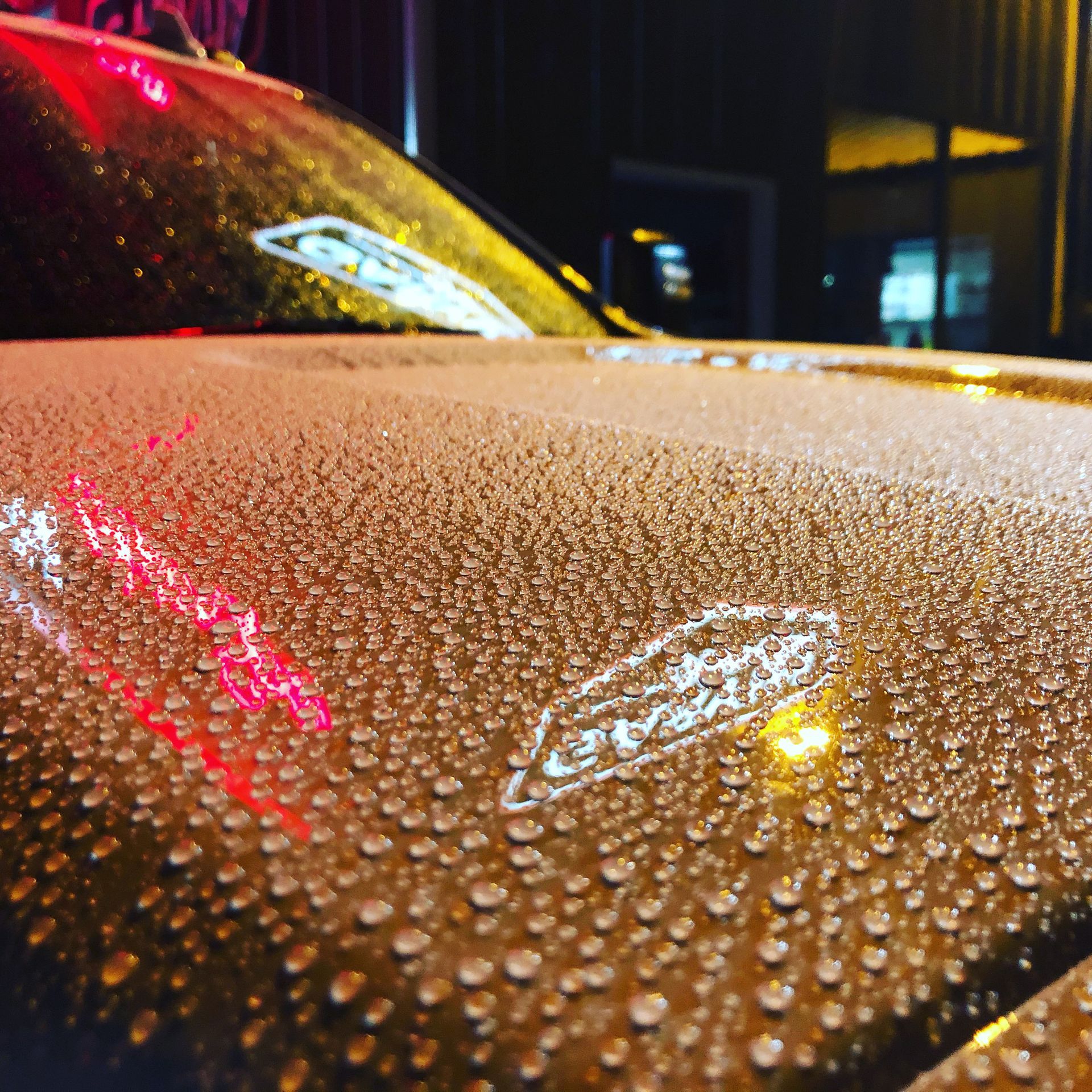
The hydrophobic nature of certain PPFs can significantly ease cleaning tasks. A hydrophobic topcoat encourages water and dirt to bead off the surface rather than cling to it. This property is particularly beneficial for dark-colored vehicles, which typically show water spots more prominently after washing. When dirt, rain, or snow hits a hydrophobic surface, it rolls off quickly, taking the grime with it. Consequently, you'll find that maintaining a spotless finish becomes simpler and less frequent—a huge advantage for busy car owners who want their vehicles looking pristine with minimal effort. As you weigh these features against your own needs, it will set the stage for understanding the financial aspects involved in making this important investment.
Budget and Warranty Considerations
When considering paint protection film for your vehicle, budget is undoubtedly a critical factor. However, weighing cost alongside warranty provisions can pave the way to making a sound investment. Opting for high-quality films might seem daunting due to their price tags, which can range from $500 to $2000 or more depending on your vehicle's size and customization options. Yet, this initial expense is often outweighed by their longevity and durability.
Warranty Insights
An equally vital consideration involves the warranty offered with purchase. Manufacturers typically provide warranties that may last from seven to ten years, with some esteemed brands extending assurances up to a full decade. Companies back their products with comprehensive coverage against peeling, cracking, and yellowing—issues that can detract from your vehicle's appearance over time.
This extensive warranty often reflects higher quality assurance from the manufacturer. Reputable brands tend to back their promises with strong warranties, granting you peace of mind knowing that any potential issues will be handled without incurring further costs.
Additionally, consider asking questions about what each warranty covers specifically—some may only apply to defects in the product itself, while others might extend protection against environmental damages such as bird droppings or tree sap. It’s crucial to understand not just what’s included but also any conditions or exclusions that might apply.
With this knowledge about budgeting and warranties firmly in mind, we now turn our attention to the importance of proper installation techniques for optimizing the protective benefits of your film.
Installation Tips and Tricks
When it comes to installing paint protection film (PPF), the environment matters just as much as the technique used. A dust-free workspace is crucial; any dirt or debris can lead to imperfections during installation.
To achieve a pristine environment, consider using a clean, well-lit garage or another area shielded from outdoor elements. Open windows may bring in pollen and dust, so use a fan to circulate air without compromising cleanliness.
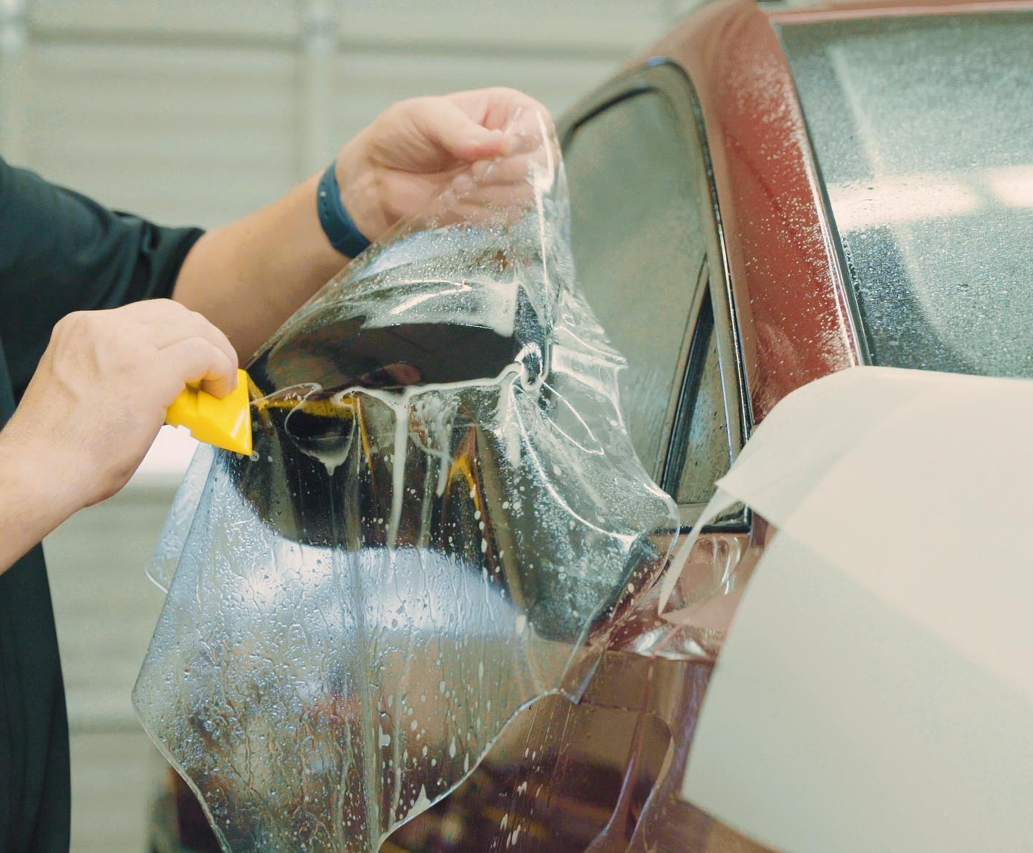
If you decide on DIY installation, think about your tools carefully. Using a slip solution is key; a mixture of water and baby shampoo helps with lifting and repositioning the film before it sticks. The general ratio is about 1-2 drops of baby shampoo in a spray bottle filled with water. This simple solution allows you to slide the film around until it’s perfectly aligned.
As you start with the prep work, thorough cleaning of your vehicle's surface cannot be overstated. Using automotive soap, followed by a clay bar treatment, will help remove any stubborn contaminants like tar or sap that regular washing may leave behind. After cleaning, dry the surface completely before moving on to apply your slip solution; moisture can become trapped under the film if you don’t allow enough time for drying.
Steps for DIY Installation
As we dive deeper into the steps for effective installation, here’s how you can ensure success:
- Prep Work: You've already cleaned the car’s surface—make sure it’s completely dry since any moisture can affect adhesion when applying the film.
- Slip Solution: Generously apply your slip solution onto both the car's surface and the adhesive side of the film before positioning it; this gives you extra maneuverability.
- Application: Carefully lift and place the film over your desired area, using gentle pressure to position it correctly. As you press down, use a squeezer—ideally with a felt edge—starting from the center and working outwards to eliminate any bubbles.
- Sealing: The curing time varies by manufacturer but typically lasts between 24 and 48 hours without exposure to water or extreme temperatures. During this period, avoid washing your vehicle to allow optimal bonding.
Once installed, it's important to remember that regular maintenance plays a significant role in preserving your investment. Cleaning the film gently with pH-neutral car wash products will keep it looking clear while protecting its longevity against environmental factors.
By adhering closely to these guidelines and emphasizing careful handling throughout the installation phase, you set a solid foundation for enjoying all the protective benefits PPF brings. Now, let’s take a closer look at keeping that protection in top shape over time.
Maintaining Paint Protection Film
The longevity and effectiveness of PPF greatly depend on proper maintenance, which starts with regular cleaning and extends to protective measures. A well-maintained film not only looks great but also provides maximum protection against the elements that threaten your vehicle’s surface.
Regular Cleaning
Regularly washing your car is essential for preventing dirt buildup, which can degrade the film's surface over time. It's a good practice to wash your vehicle frequently using soft cloths or microfiber towels that won't scratch the film. You’ll be amazed at how something as simple as a car wash can preserve both the appearance and functionality of your PPF.
When it comes to cleaning methods, adopting a routine makes all the difference. For weekly maintenance, using a pH-neutral car shampoo will help clean the film without introducing any harmful chemicals. Rinse thoroughly to ensure no soap residue is left behind, as this could cause clouding over time.
Furthermore, it’s important to avoid harsh chemicals; abrasive polishes or waxes may seem effective for shine and protection but can inadvertently damage the film. So choose products wisely, focusing on those explicitly designed for use with PPF.
Protective Measures
Adding a layer of ceramic coating specifically designed for PPF introduces a powerful shield against contaminants. This treatment elevates the hydrophobic properties of your film, making it easier for water and dirt to slide off rather than stick, thus reducing maintenance efforts.
Studies indicate that PPF treated with ceramic coatings can last up to 30% longer than untreated films. By investing in this advanced layer of protection, you're extending not just the life of the PPF itself but also maximizing its effectiveness in safeguarding your paintwork.
Embracing these straightforward cleaning habits combined with protective enhancements will equip you to maintain your paint protection film effectively. With just a little bit of effort and attention, you can keep your car looking immaculate while ensuring that its underlying paint remains protected from chips and fading.
Why Choose Garvin Auto Spa for Professional Paint Protection Film?
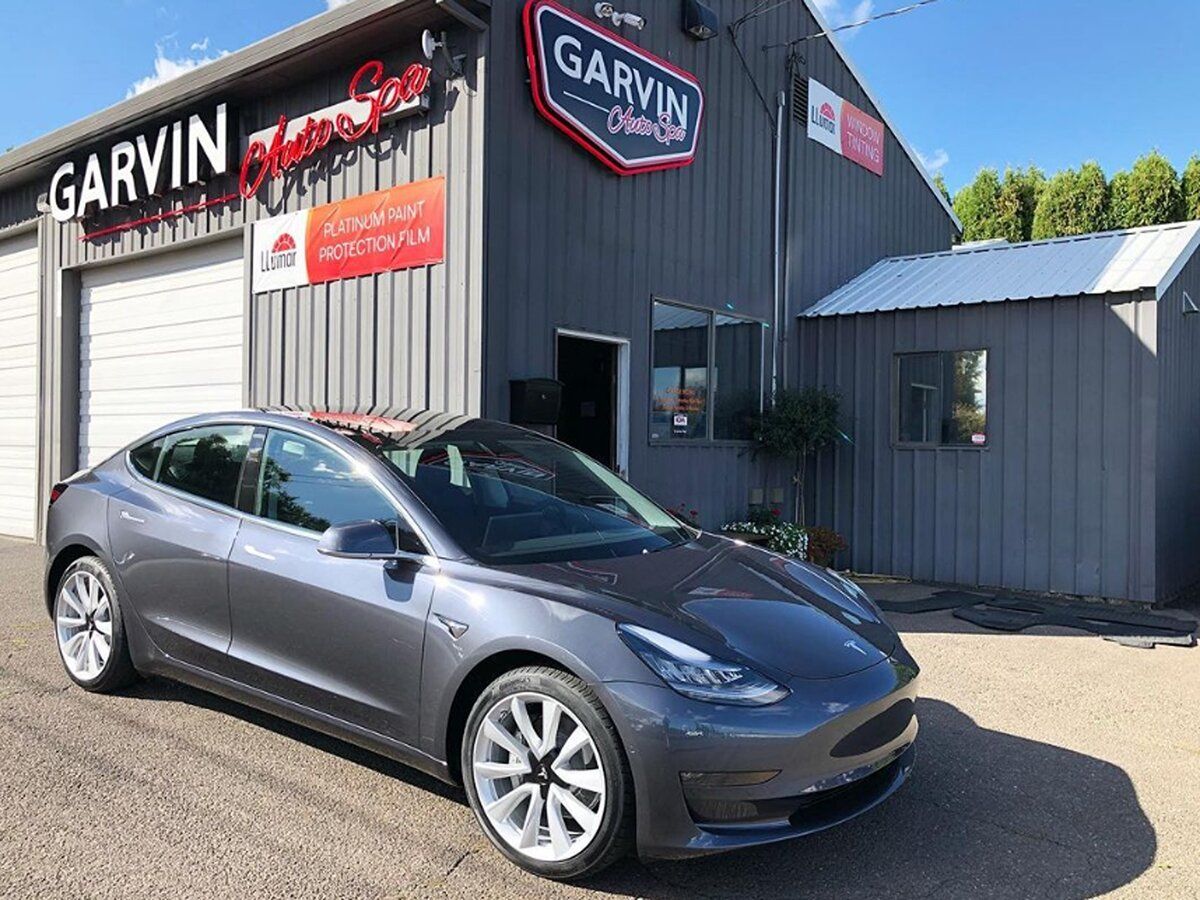
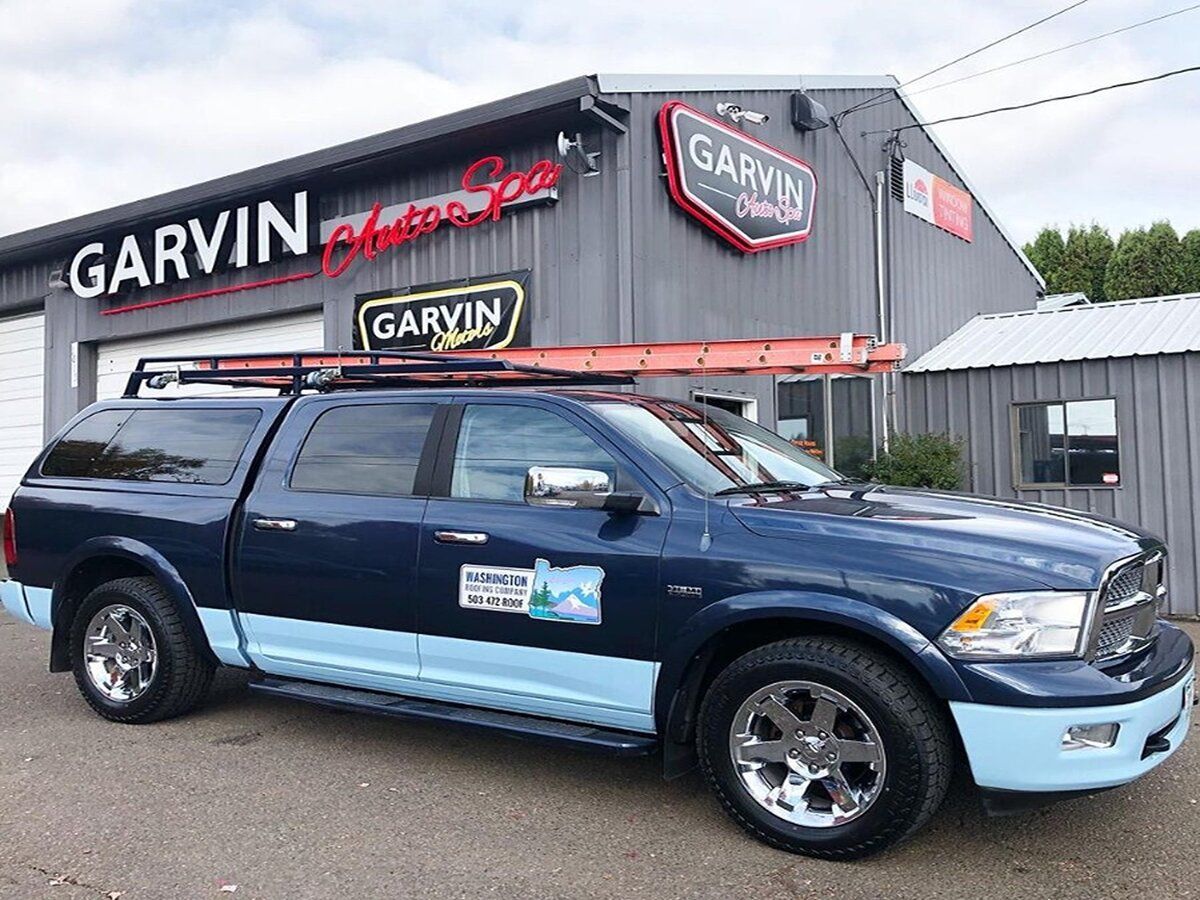
When it comes to protecting your vehicle's exterior, Garvin Auto Spa stands out as a trusted expert in Paint Protection Film (PPF). With years of experience and a reputation for quality service, Garvin Auto Spa has become the go-to destination for car enthusiasts and owners who want to keep their vehicles looking pristine for years to come. If you’re looking for the ultimate protection for your car’s paint, Garvin Auto Spa’s PPF services are second to none. Whether you want full-body PPF or protection for high-impact areas, Garvin Auto Spa will ensure that your vehicle receives the best possible care. Ready to protect your car’s paint and enhance its longevity? Book Garvin Auto Spa today to schedule a consultation and experience why they are the trusted experts for paint protection film installation.